
 E-Paper



Cardiologist shares 6 foods to eat to lower cholesterol: Walnuts, okra and more

 Prefer HTon Google


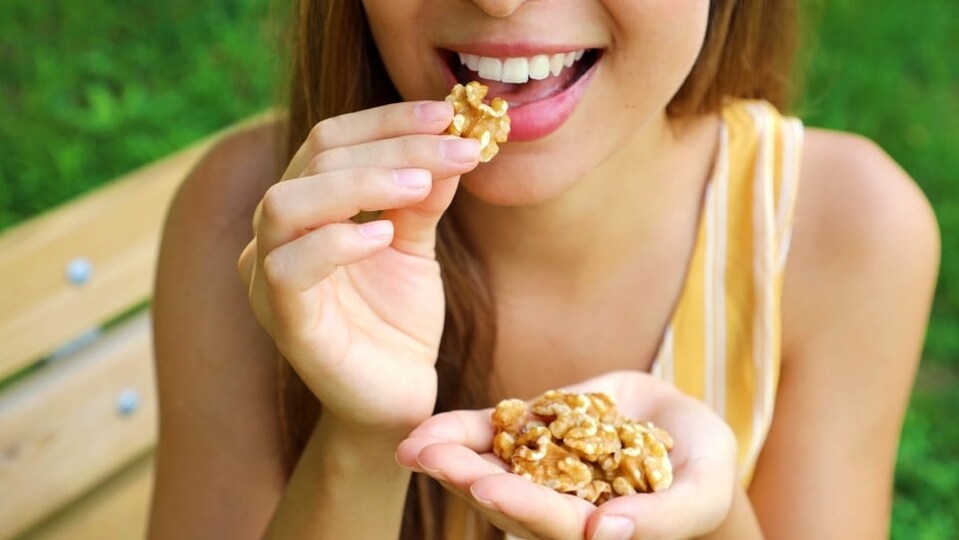
Heart health is a pressing matter these days as cases begin to surge. Find out how to modify diet to control cholesterol levels.
A Lancet study published in 2023 stated that cardiovascular diseases (CVD) are the leading cause of death and disability in India. The situation is grave enough that CVD is named as an epidemic. Indians are at risk of developing CVD earlier than people in many other countries. The deaths and complications occur at a young age, too.
ALSO READ: Hyderabad cardiologist explains what poor sleep and high stress do to your heart
One of the contributors to fatal outcomes related to heart health is elevated cholesterol levels. According to the British Heart Foundation, it significantly increases the risk of heart attack or stroke. To alleviate the escalating risk factor, diet is one of the most important modifiable factors.
To get healthy food recommendations, HT Lifestyle reached out to Dr Mohit Arora, associate consultant cardiologist at Kailash Deepak Hospital in Delhi, who revealed that diet is one of the meaningful ways to improve cholesterol.
But first, he shed light on another alarming situation that needs attention. “Dyslipidemia, abnormal cholesterol levels, affects over 81 per cent of the Indian population, often silently impacting even young adults,” he said. This condition is largely silent and often shows up when serious conditions have already developed, from the chain reaction of high cholesterol. High cholesterol is fueling India's cardiovascular disease burden, which has reached epidemic levels.
The preventive measures include dietary changes which lower the bad cholesterol levels. The cardiologist named a few essentials that need to be in the diet. He said, “Emphasising fibre, healthy fats, and plant-based foods while reducing saturated fat intake can lead to meaningful improvements in cholesterol while supporting long-term cardiovascular health.”
Many studies also underscore the value of diet in slashing heart attack chances. A study published in the New England Journal of Medicine in August 2025 narrowed down on potassium-rich foods like bananas, beetroot, and avocado to be healthy, as they reduce the risk of heart failure by 24 per cent.
Another study from The American Journal of Clinical Nutrition, published in December 2024, revealed that increasing the intake of plant-based protein may help lower cardiovascular problems. Participants who ate plant-based protein had a 19 per cent lower risk of getting cardiovascular disease and a 27 per cent lower risk of developing coronary artery disease.
Since cholesterol increases the likelihood of heart attacks, Dr Arora shared the foods one should eat and avoid to lower bad cholesterol levels:
Foods that help lower cholesterol

- Oats and whole grains: Rich in soluble fibre, oats, barley, and similar grains trap cholesterol in the digestive system before it enters circulation.
- Beans and legumes: These are high in soluble fibre and slow-digesting. While beans reduce cholesterol levels, they also help in maintaining fullness and weight control.
- Fruits and vegetables: Apples, grapes, citrus fruits, eggplant, as well as okra provide soluble fibre such as pectin, which lowers LDL (low-density lipoprotein).
- Nuts: Almonds, walnuts, and peanuts are full of healthy fats plus nutrients that reduce LDL and support overall heart health.
- Healthy oils: Vegetable oils like olive, sunflower, and canola can replace butter or lard, cutting down saturated fat intake.
- Fatty fish: Packed with omega-3 fatty acids, salmon, mackerel, and sardine fish support heart health by reducing triglycerides.
High-cholesterol culprits to watch out for

- Red and processed meats - Rich in saturated fats, these are one of the biggest sources of elevated LDL cholesterol.
- Full-fat dairy and baked items: These foods are common sources of hidden saturated fats.
- Tropical oils and chocolate: The high saturated fat content of these foods outweighs potential advantages when consumed excessively.
Note to readers: This article is for informational purposes only and not a substitute for professional medical advice. Always seek the advice of your doctor with any questions about a medical condition.


Catch your daily dose of Fashion, Taylor Swift, Health, Festivals, Travel, Relationship, Recipe and all the other Latest Lifestyle News on Hindustan Times Website and APPs.


