
 E-Paper



Cardiologist with 40 years experience says Indians at bigger risk of fatty liver disease; shares ways to protect it

 Prefer HTon Google


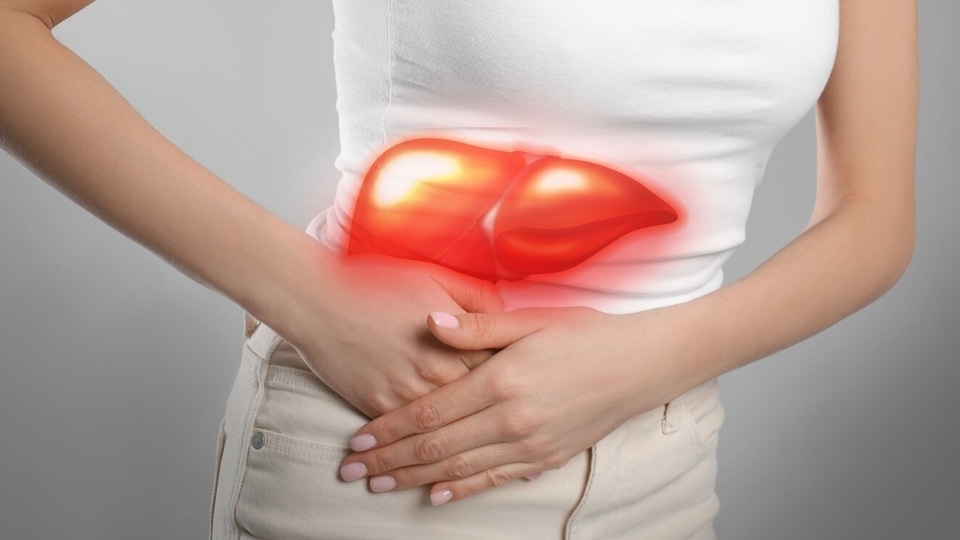
Dr Chopra highlights that genetic adaptations to famine contribute to high rates of fatty liver disease in Indians. Here's how to reverse it.
People with NAFLD (non-alcoholic fatty liver disease), or fatty liver disease, have a buildup of excess fat in the liver due to causes unrelated to alcohol use. Various studies have shown that 35 to 40% of the Indian adult population is affected by fatty liver disease, and this is a conservative estimate. That's an alarming number!
Dr Alok Chopra, a cardiologist and functional medicine expert with over 40 years of experience, says Indians are far more likely to develop fatty liver disease, almost three times more than many other ethnicities.
According to the cardiologist, this isn't just about the modern lifestyle affecting the Indian population. Rather, there is a deep evolutionary reason behind it. Here's what he explained:
Why are Indians more likely to get fatty liver disease?
In a February 2 Instagram clip, the cardiologist stated that people from the Indian subcontinent – India, Pakistan, Bangladesh, and Sri Lanka – have a genetic adaptation from generations of living through famine, which makes them more prone to fatty liver disease.
“Our bodies learn to store fat in the liver quickly as a survival mechanism. The famine disappeared, but the genetic switch never turned off. That's why today, nearly one in three Indians is estimated to have fatty liver disease, and the real number may be closer to half the population,” the cardiologist warned.
The good news, according to the cardiologist, is that fatty liver is not permanent; it is one of the most reversible conditions because the liver is a remarkable organ. “It detoxifies, regenerates, and supports metabolism, hormones, and energy, but it needs the right environment to heal. Early action, right nutrition, and lifestyle changes can help reverse it before it progresses,” he added.
How can we reverse fatty liver?
So, how can we protect the liver? The cardiologist suggests 3 steps:
1. “Return to the rhythms your body was designed for. Eat your dinner early, avoid late-night snacking, and include periods of intermittent fasting, just like your ancestors naturally did,” the cardiologist recommends.
2. Next, he says, “Your grandmom was right: use ghee instead of refined seed oil. The bad oils, corn syrups, and highly processed foods push the liver towards inflammation and fat storage.”
3. Lastly, the cardiologist suggests supporting your liver's natural detox pathways with things like glutathione. “Glutathione is the body's master antioxidant. Other antioxidant-rich foods include berries, blueberries, strawberries, dark leafy greens like kale and spinach, and colourful produce such as carrots, sweet potatoes, tomatoes, and bell peppers. And even coffee, which research shows can lower the risk of fatty liver,” he added.
Note to readers: This article is for informational purposes only and not a substitute for professional medical advice. Always seek the advice of your doctor with any questions about a medical condition.
This report is based on user-generated content from social media. HT.com has not independently verified the claims and does not endorse them.


Catch your daily dose of Fashion, Taylor Swift, Health, Festivals, Travel, Relationship, Recipe and all the other Latest Lifestyle News on Hindustan Times Website and APPs.


