
 E-Paper



Cardiologists explain what to do immediately in first 10 minutes of heart attack: 'Difference between life and death...'

 Prefer HTon Google


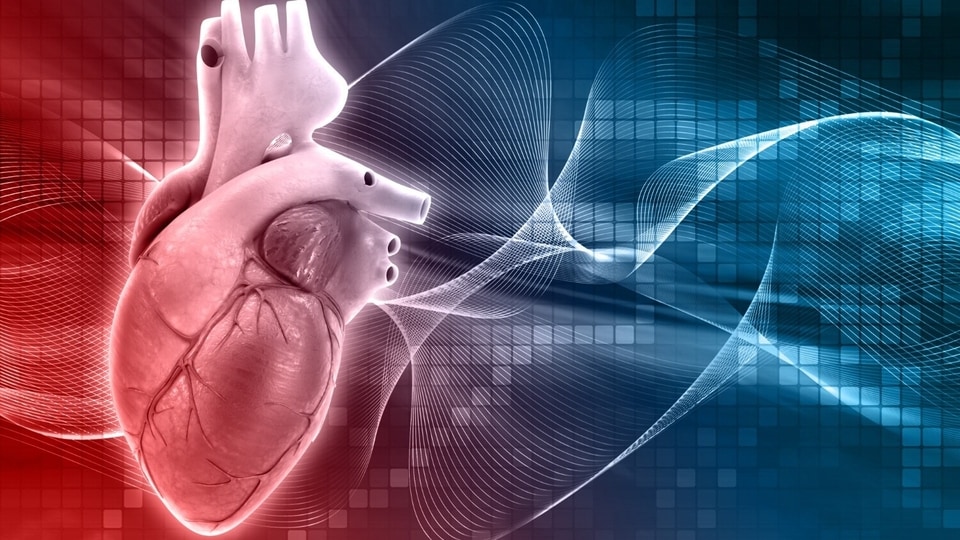
In a heart attack, first 10 minutes are crucial – speed is key to survival and minimising heart damage. Better to err on the side of caution and rush to the ER.
In the high-stakes world of cardiac emergencies, medical experts are highlighting a narrow but vital window: the first 10 minutes. According to leading cardiologists, the actions taken during this brief period are the primary determinants of survival and the extent of long-term heart damage. Also read | Cardiologist shares top prevention tips for people in 20s, 30s, 40s to reduce risk of heart attacks and heart disease
Speaking with HT Lifestyle, Dr Amit Bhushan Sharma, director and unit head of cardiology at Paras Hospitals, Gurugram, shared that a heart attack — specifically a STEMI (ST-elevation myocardial infarction) — is a race against the clock.
He explained: "The first 10 minutes of a heart attack are critical and can mean the difference between life and death. Most heart attacks occur when a blood clot suddenly blocks a coronary artery, cutting off oxygen supply to the heart muscle. Early recognition of symptoms is essential. Time is muscle—the sooner blood flow is restored, the better the survival and recovery outcomes."
Recognising the warning signs
While the 'Hollywood heart attack' often involves dramatic chest clutching, real-world symptoms can be more subtle and varied, Dr Sharma shared.
Common symptoms include:
⦿ Chest pain or pressure (may radiate to the arm, neck, jaw, or back).
⦿ Shortness of breath and cold sweats.
⦿ Nausea and lightheadedness.
Atypical symptoms (common in women, older adults, and diabetics):
⦿ Unusual fatigue.
⦿ Mild discomfort or indigestion-like sensations.
⦿ An unexplained sense of anxiety.

The 10-minute protocol: what to do
Dr Venkat Rayudu Nekkanti, DM, cardiology, Apollo Hospitals, Hyderabad, warned against the common mistake of dismissing early signs. "Many people dismiss these warning signs, losing precious time. Immediate medical attention is vital. Do not attempt to drive yourself; call emergency services and chew an aspirin if not contraindicated. Early intervention can significantly reduce heart muscle damage and improve survival. Recognising the signs quickly and acting without delay is the strongest defence against irreversible cardiac injury," he said.
Experts recommended the following immediate steps:
⦿ Call emergency services: Do not attempt to drive yourself to the hospital.
⦿ Stay calm and seated: Minimise physical strain on the heart muscle.
⦿ Chew an aspirin: Unless you are allergic or have a medical contraindication, chewing a regular-strength aspirin can help reduce clot progression while waiting for paramedics.
Understanding hospital benchmarks
Once a patient reaches the hospital, the clock continues to tick. Dr Sharma highlighted two critical quality metrics that determine a hospital’s efficiency in treating a confirmed STEMI: to maximise survival, hospitals aim to administer clot-busting medication within 30 minutes and perform artery-opening angioplasty within 60 minutes of a patient's arrival.
"These benchmarks are key. Faster reperfusion means more heart muscle is saved. In a medical emergency, every second counts," Dr Sharma said.
Doctors urged the public to prioritise 'speed over certainty' – it is better to go to the ER for what turns out to be indigestion than to stay home during a cardiac event.
Note to readers: This article is for informational purposes only and not a substitute for professional medical advice. Always seek the advice of your doctor with any questions about a medical condition.


Catch your daily dose of Fashion, Taylor Swift, Health, Festivals, Travel, Relationship, Recipe and all the other Latest Lifestyle News on Hindustan Times Website and APPs.


