
 E-Paper



Did you know fatty liver disease can happen without alcohol and weight loss can reverse it? Doctor shares 5 liver facts

 Prefer HTon Google


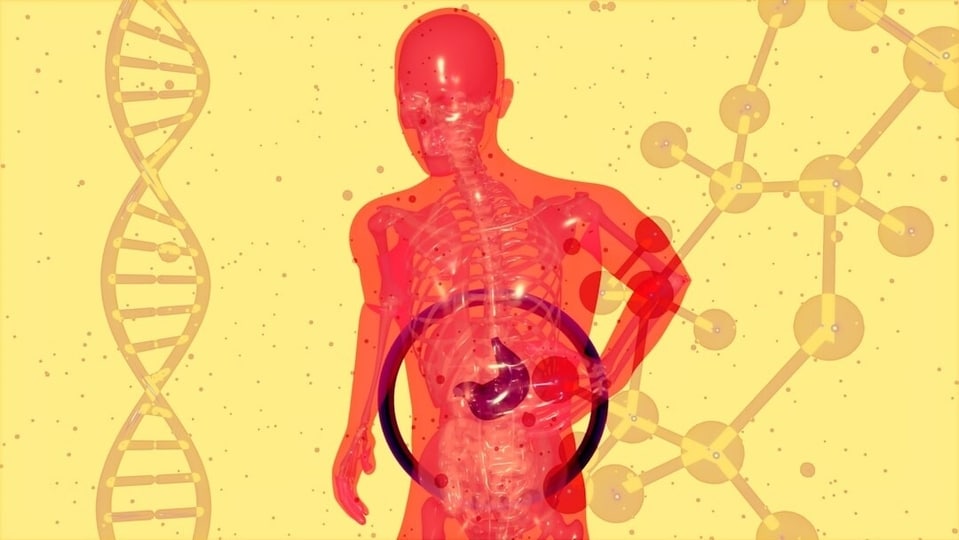
Non-alcoholic fatty liver disease is on the rise and mainly stems from metabolic dysfunction. Dr Sood shares five facts about liver health.
The liver is one of the body’s most vital organs, quietly performing hundreds of essential functions – from filtering toxins and processing nutrients to regulating metabolism and supporting digestion. Yet despite its crucial role, liver health is often overlooked until problems begin to appear. In recent years, conditions such as fatty liver disease have become increasingly common, largely driven by lifestyle and metabolic factors. However, many people still misunderstand how the disease develops or what everyday habits may affect liver function.
Also Read | US doctor warns that antibiotics can disrupt your gut microbiome for months; shares 5 facts about gut health
Dr Kunal Sood, an anaesthesiologist and interventional pain medicine physician, has shared five key facts about liver health. In an Instagram video posted on March 10, he discusses how fat accumulates in the liver, the risks associated with fatty liver disease, and the ways factors such as diet and body weight can influence liver function.
Fatty liver can happen without alcohol
According to Dr Sood, fatty liver can develop even in people who do not consume alcohol. In many cases, it is linked to metabolic dysfunction caused by insulin resistance. This process leads to excess fatty acids being deposited in the liver, resulting in the gradual accumulation of triglycerides over time.
He explains, “Metabolic dysfunction-associated steatotic liver disease (MASLD/NAFLD) occurs when fat accumulates in liver cells despite little or no alcohol intake. Insulin resistance increases fat breakdown in adipose tissue, sending free fatty acids to the liver where triglycerides accumulate inside hepatocytes.”
Normal liver enzymes don’t always mean a healthy liver
Dr Sood highlights that liver enzymes such as AST and ALT typically rise only when liver cells are actively injured. Conditions like fat accumulation or slow-developing fibrosis may not significantly affect these enzyme levels. As a result, normal liver test results do not necessarily mean that fatty liver disease is absent.
He explains, “AST and ALT rise mainly when liver cells are actively injured. Fat accumulation or slow fibrosis can occur without significant enzyme leakage, meaning patients may have fatty liver with normal labs. Studies suggest up to approximately 50 percent of NAFLD patients can have normal ALT or AST despite disease.”
Visceral belly fat feeds liver inflammation
Visceral fat releases inflammatory markers into the bloodstream, sending free fatty acids and inflammatory cytokines to the liver. This process can promote insulin resistance, place additional stress on the liver, and trigger inflammatory signalling in the body.
The physician explains, “Visceral fat drains directly into the portal circulation, delivering free fatty acids and inflammatory cytokines such as TNF-α and IL-6 to the liver. This promotes insulin resistance, hepatocyte stress, and inflammatory signaling that can progress from steatosis to steatohepatitis.”
Sugary drinks rapidly increase liver fat
According to the physician, the fructose found in sugary drinks is primarily metabolised by the liver. This process activates pathways that convert excess sugar into fatty acids, which are then stored as triglycerides in liver cells, thereby increasing the risk of fatty liver disease.
Dr Sood explains, “Fructose in sweetened beverages is primarily metabolised in the liver. It strongly stimulates de novo lipogenesis, converting excess sugar into fatty acids stored as triglycerides in hepatocytes. High intake is consistently associated with higher fatty liver risk.”
Losing weight can reverse early fatty liver
Dr Sood highlights that losing even five to ten percent of body weight can significantly reduce the delivery of fatty acids to the liver while also improving insulin resistance. This, in turn, helps lower liver fat and inflammation. He adds that greater weight loss may lead to even more substantial improvements in liver health.
He explains, “Weight loss reduces fatty acid delivery to the liver and improves insulin sensitivity. Clinical guidance shows a five to ten percent reduction in body weight can significantly reduce liver fat and inflammation, with larger losses producing greater improvement.”
Note to readers: This article is for informational purposes only and not a substitute for professional medical advice. It is based on user-generated content from social media. HT.com has not independently verified the claims and does not endorse them.


Catch your daily dose of Fashion, Taylor Swift, Health, Festivals, Travel, Relationship, Recipe and all the other Latest Lifestyle News on Hindustan Times Website and APPs.


