
 E-Paper



Do pandemic babies have a higher risk of developing autism? A new study sheds light on the claim

 Prefer HTon Google


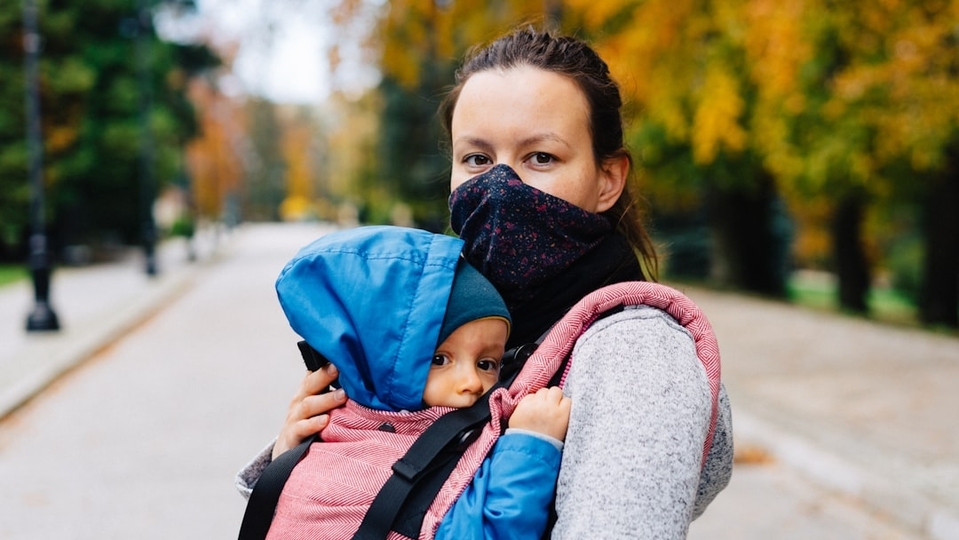
A new study finds out whether the stress of the pandemic or exposure to COVID-19 during pregnancy might lead to increased rates of autism in children.
Many reports in the past have claimed that babies born during the COVID-19 pandemic may face a higher likelihood of developing autism. However, a new study published in JAMA Network Open debunks this fear regarding pandemic-era babies.
(Also Read | Can plastic cause autism? Research answers)
Pandemic-era babies more likely to develop autism?
The study, conducted by a team at Columbia University Irving Medical Center in New York City, challenges the concern that the stress of the pandemic or exposure to the SARS-CoV-2 virus during pregnancy might lead to increased rates of autism in children. Contrary to expectations, they found no links between the health emergency and the development of autism in babies.
What did the researchers find?
The research examined nearly 2,000 toddlers born before and during the pandemic, focusing on children between 16 and 30 months old. They used a common screening tool called the Modified Checklist for Autism in Toddlers, Revised (M-CHAT-R), to look for early signs of autism. The parent-report questionnaire helps identify children who may benefit from a more comprehensive evaluation for autism spectrum disorder.
The researchers found no significant difference in positive autism screenings between children born before the pandemic and those born during it. Moreover, children of mothers who tested positive for COVID-19 during pregnancy actually showed lower rates of positive autism screenings compared to the ones who hadn't been infected.
According to Dani Dumitriu, an associate professor of pediatrics and psychiatry and senior author of the study, "Autism risk is known to increase with virtually any kind of insult to mom during pregnancy, including infection and stress. The scale of the COVID pandemic had pediatricians, researchers, and developmental scientists worried that we would see an uptick in autism rates. But reassuringly, we didn’t find any indication of such an increase in our study.”
They added, “There has been broad speculation about how the COVID generation is developing, and this study gives us the first glimmer of an answer with respect to autism risk.”
Dumitriu concluded, “Children who were in the womb early in the pandemic are now reaching the age when early indicators of autism would emerge, and we’re not seeing them in this study. And because it’s well-known that autism is influenced by the prenatal environment, this is highly reassuring.”
Disclaimer: This article is for informational purposes only and not a substitute for professional medical advice. Always seek the advice of your doctor with any questions about a medical condition.


