
 E-Paper



Does intermittent fasting work in the long run? Harvard gastroenterologist explains and shares 2 alternate eating hacks

 Prefer HTon Google


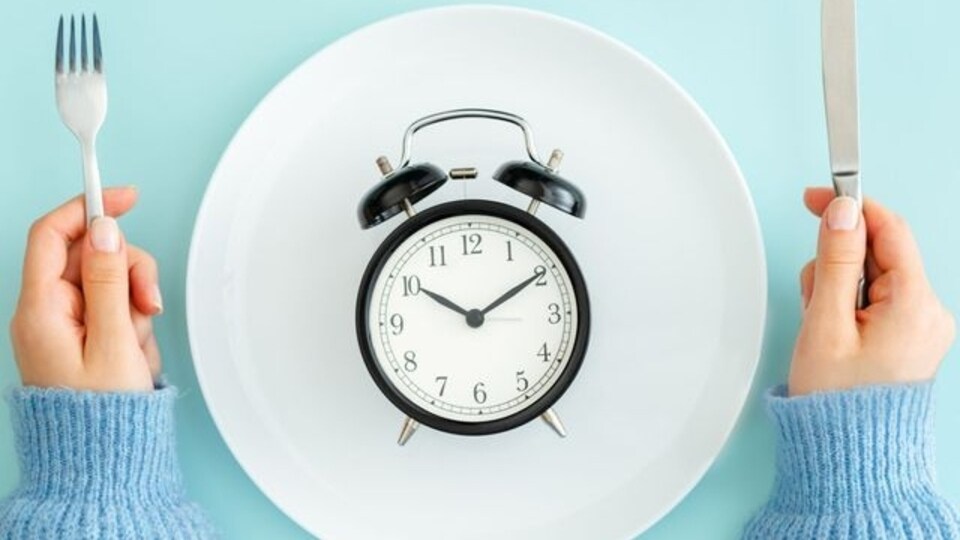
While intermittent fasting is a hack used for rapid weight loss, Dr Pasricha highlights that is it hard to sustain in the long run.
Intermittent fasting has emerged as one of the most talked-about wellness trends in recent years, often touted as a simple solution for weight loss, better heart health, and even longevity. From social media to health headlines, the idea of restricting eating to specific time windows is framed as a science-backed hack for better health. But do these claims actually hold up under scientific scrutiny? And is intermittent fasting truly superior to other, more flexible eating patterns - or is its reputation overstated? A closer look at the evidence suggests the reality may be far more nuanced than the hype.
Trisha Pasricha, a gastroenterologist, physician-scientist at Beth Israel Deaconess Medical Center, Assistant Professor of Medicine at Harvard Medical School, and a columnist at The Washington Post’s Ask a Doctor vertical, is breaking down the scientific basis of intermittent fasting and whether it offers any real benefits.
In an Instagram video shared on January 17 by The Washington Post, the gastroenterologist outlines two alternative eating strategies that can deliver the same benefits often attributed to intermittent fasting - without the rigidity or strict time windows that make it difficult to follow long term.
Does intermittent fasting really work?
According to Dr Pasricha, intermittent fasting is often promoted as a powerful weight-loss and longevity hack, but current scientific evidence does not support these claims. It is an eating pattern in which individuals consume all their meals within a specific time window and fast for the rest of the day - an approach that may support short-term weight loss. However, the gastroenterologist notes that these benefits are often temporary and difficult to sustain in the long run. Moreover, there is no evidence that intermittent fasting can prevent heart disease, cancer and support longevity.
She explains, “If you've heard that intermittent fasting is a weight loss or a longevity hack, I'm here to tell you that the science doesn't really back that up. Intermittent fasting focuses on when you eat. So, you might only eat within an 8 hour window, or you might fast for one or two days at a time. Research has shown that it can help you lose weight for a few months, but it's really hard to sustain, and that weight tends to come back. Studies in humans have yet to prove that intermittent fasting can help prevent heart disease, cancer, or would help you live longer.”
Habits that actually work
Dr Pasricha emphasises that strict intermittent fasting isn’t always necessary, noting that a more flexible, sustainable approach to meal timing can deliver many of the same benefits without the rigidity that makes fasting hard to maintain. She suggests the following eating habits that offer similar benefits and are more sustainable in the long run:
Eat breakfast within an hour of waking up
The gastroenterologist recommends eating a fibre and protein rich breakfast, within an hour of waking up. She advises, “Eat breakfast within an hour of waking up. Make it a high-fibre, high protein meal, not sugary breakfast cereal, not pastries. Studies have shown that a high quality breakfast can cut afternoon snacking.”
Avoid eating two to three hours before bedtime
Dr Pasricha’s advice is to get done with meals two to three hours before going to bed at night, since late night eating is linked to fat storage and risk of obesity. She explains, “Try to stop eating within two or three hours of bedtime. Late night eating and snacking impacts how we burn calories and store fat, putting us at increased risk of obesity.”
She concludes that what we eat is more important than when we eat. A diet rich in fruits, vegetables, legumes, whole grains, nuts, and seeds, and lower in ultraprocessed foods has the best scientific evidence to support healthier outcomes.
Note to readers: This article is for informational purposes only and not a substitute for professional medical advice. It is based on user-generated content from social media. HT.com has not independently verified the claims and does not endorse them.


Catch your daily dose of Fashion, Taylor Swift, Health, Festivals, Travel, Relationship, Recipe and all the other Latest Lifestyle News on Hindustan Times Website and APPs.


