
 E-Paper



Dry fish is a great source of protein: Dietitian shares 5 key nutrients it has and why it's good for health

 Prefer HTon Google


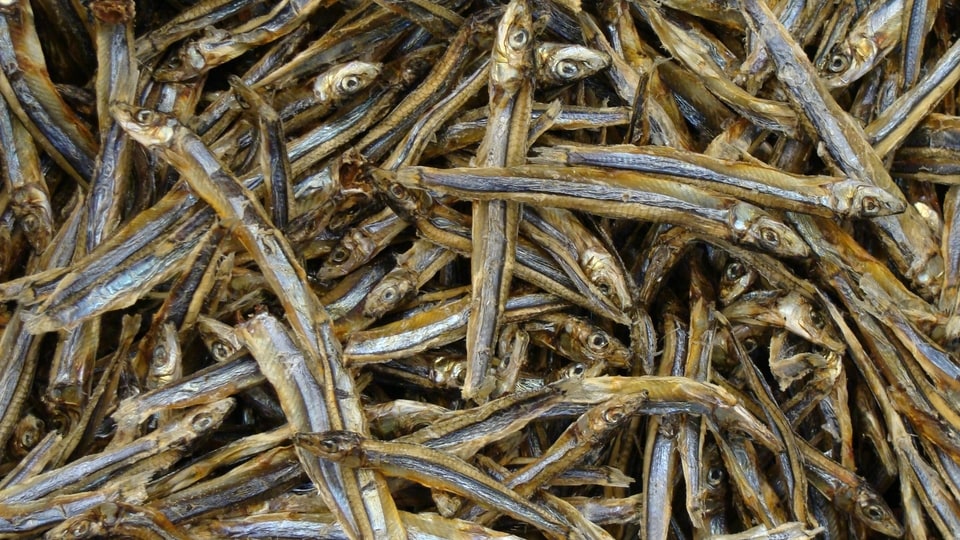
From protein to iron and vitamin D, here’s why dry fish is loaded with nutritional benefits.
Dry fish is a polarising food. While some can’t stand the strong smell, others consider it a staple. But beyond the aroma, is it actually healthy? On July 23, Dr Soumya Swaminathan, on her X profile, shared a picture of dry fishes and wrote, “Dry fish is a great source of protein. Can be a good supplement for Anganwadi and mid day meals especially in coastal fish-eating communities.” This brings our attention to the nutritional value of dry fish and how it can help the body. Also read | Want to add more omega-3s to your diet? This fish is nature’s best kept secret
In an interview with HT Lifestyle, Shikha Singh, clinical dietitian, Fortis Memorial Research Institute, Gurugram said, “Dry fish is a highly concentrated source of essential nutrients and can play a powerful role in improving nutritional outcomes, especially in coastal, fish-eating populations. Its long shelf-life, high protein density, and micronutrient richness make it ideal for use in community feeding programs such as Anganwadi centers and mid-day meal schemes.”
Here are 5 key nutrients present in dry fish:
1. High-quality protein
Content: 60–80 g per 100 g (varies by fish type).
Role: Supports child growth, muscle repair, immune function, and development in undernourished populations.
Impact: Regular inclusion can help reduce protein-energy malnutrition in children. Also read | Protein and the Indian plate: Nutritionist explains why balanced intake matters for health and immunity
2. Calcium
Content: Up to 2000 mg/100 g (especially in small fish consumed whole with bones like anchovies or sardines).
Role: Essential for bone and teeth development, preventing rickets and osteoporosis.
Impact: A natural, lactose-free calcium source for communities with low dairy access.
3. Omega-3 fatty acids (EPA and DHA)
Content: Rich in marine species even after drying.
Role: Supports brain development in children, cognitive function, heart health, and reduces inflammation.
Impact: Critical for neurodevelopment during the first 1000 days of life.
4. Iron
Content: Up to 4–6 mg/100 g.
Role: Prevents iron-deficiency anemia, supports oxygen transport and cognitive development.
Impact: Important for adolescent girls, pregnant women, and young children in low-resource settings.
5. Vitamin D
Content: Naturally present in oily dry fish (e.g., mackerel, sardine).
Role: Aids calcium absorption, boosts immunity, and prevents rickets.
Impact: Especially vital in populations with limited sun exposure or poor dietary diversity. Also read | Fish is the healthiest food you can include in your diet. Here’s why
Note to readers: This article is for informational purposes only and not a substitute for professional medical advice. Always seek the advice of your doctor with any questions about a medical condition.


Catch your daily dose of Fashion, Taylor Swift, Health, Festivals, Travel, Relationship, Recipe and all the other Latest Lifestyle News on Hindustan Times Website and APPs.


