
 E-Paper



Eating prunes may help protect older women against weak or brittle bones: Study

 Prefer HTon Google


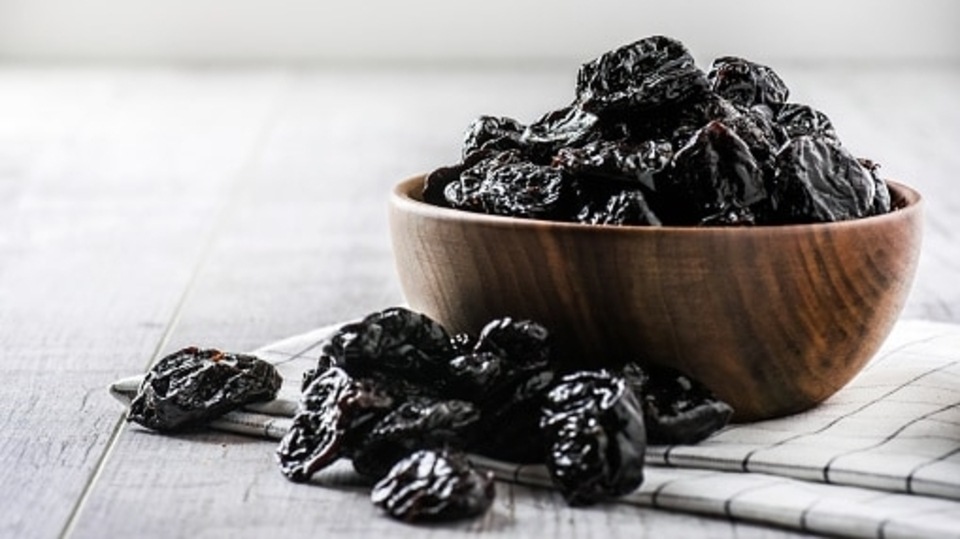
The study finds that prunes can help prevent or delay loss in postmenopausal women, possibly due to their ability to reduce inflammation and oxidative stress, both of which contribute to bone loss.
Prunes are good for your gut. However, according to a new study led by Penn State, prunes may be good for bone health.
The study was published in the journal 'Advances in Nutrition'.
The researchers found that prunes can help prevent or delay loss in postmenopausal women, possibly due to their ability to reduce inflammation and oxidative stress, both of which contribute to bone loss.
"In postmenopausal women, lower levels of estrogens can trigger a rise of oxidative stress and inflammation, increasing the risk of weakening bones that may lead to fractures," said Connie Rogers, associate professor of nutritional sciences and physiology.
"Incorporating prunes into the diet may help protect bones by slowing or reversing this process," he added.
ALSO READ | Prunes can help control appetite, reduce calorie consumption and holiday craving
Osteoporosis is a condition in which bones become weak or brittle that can happen to anyone at any age, but according to the researchers, it is most common among women over the age of 50. The condition affects more than 200 million women worldwide, causing almost nine million fractures each year.
While medications exist to treat osteoporosis, the researchers said there is a growing interest for ways to treat the condition with nutrition.
"Fruits and vegetables that are rich in bioactive compounds such as phenolic acid, flavonoids and carotenoids can potentially help protect against osteoporosis," said Mary Jane De Souza, professor of kinesiology and physiology.
ALSO READ | Here are 5 foods that help to boost your bone health
"With prunes, in particular, gaining attention in previous research," he added.
According to the researchers, bones are maintained throughout adult life by processes that continually build new bone cells while removing old ones. But after the age of 40, this breaking down of old cells begins to outpace the formation of new ones. This can be caused by multiple factors including inflammation and oxidative stress, which is when free radicals and antioxidants are unbalanced in the body.
Prunes, however, have many nutritional benefits such as minerals, vitamin K, phenolic compounds and dietary fibre - all which may be able to help counter some of these effects.
For their review, the researchers analysed data from 16 preclinical studies in rodent models, ten preclinical studies and two clinical trials. Across the studies, the researchers found evidence that eating prunes helped reduce inflammation and oxidative stress and promoted bone health.
ALSO READ | Iron is not just found in meat, here are 6 foods that are loaded with it
For example, the clinical trials found that eating 100 grams of prunes -- about 10 prunes -- each day for one year improved bone mineral density of bones in the forearm and lower spine and decreased signs of bone turnover.
Additionally, eating 50 or 100 grams of prunes a day for six months prevented loss of total bone mineral density and decreased TRAP-5b -- a marker of bone resorption -- compared to women who didn't eat prunes.
"Taken together, evidence from in vitro, preclinical studies, and limited clinical studies suggest prunes may help to reduce bone loss," Rogers said.


