
 E-Paper



From air purifiers to nebulisers: Guide to 5 products to protect your lungs from winter air pollution at home
If winter pollution is making breathing more difficult, these easy-to-use products can provide quick relief and help you support respiratory health.

 Prefer HTon Google


Our Picks
FAQs
Our Picks
| Product | Rating | Price |
|---|---|---|
LEVOIT Core Mini Air Purifier For Coverage Area 183 Sq Ft, H13 Truehepa Filter, Remove 99.97% Dust, Smoke, & Pollen, With Fragrance Sponge, (2 Years Warranty), WhiteView Details  | ₹5,990 | |
 | ||
Honeywell Air Purifier for Home & Office, 3-in-1, Pre, H13 HEPA, Activated Carbon, Removes 99.99% Pollutants, Allergens, Pet Danger, Smoke, Dust & Pollens - Air touch V1View Details | ₹4,999 | |
| ||
Xiaomi Smart Air Purifier 4, Best Purified Air Delivery Rate 387 m3/hr, True HEPA, traps 99.99% Virus, High coverage: 516 Sq Ft, Fast Purification in 7 Mins, RoHS & Allergy Care Certified, Alexa&GAView Details | ||
| ||
Omron Ultra Compact & Low Noise Compressor Nebulizer NEC-106 For Child & Adult WhiteView Details | ₹1,220 | |
| ||
Control D Blue & White Compressor Complete Kit Nebulizer with Child and Adult MasksView Details | ₹791 | |
| ||

Research-Backed Choices
Every product we recommend is chosen through a combination of Primary Research and Secondary Research.
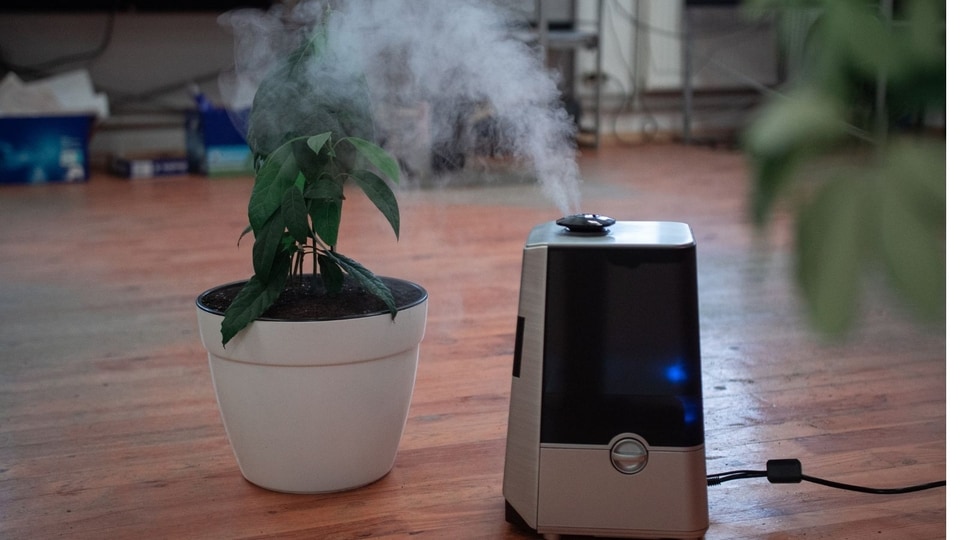
Winter often brings a surprising contradiction: even though the season feels calm, indoor air quality tends to decline sharply. With windows kept shut to stay warm and outdoor pollution seeping in, the air inside the home can become dense with irritants. This creates a setting where breathing may feel heavier, especially for those already dealing with asthma, nasal congestion, or recurrent throat discomfort. The respiratory system bears the brunt of this seasonal shift. Pollutants can irritate the airways, trigger coughing, and make the lungs work harder than usual. Children, older adults, and individuals with existing sensitivities are particularly vulnerable during these months. That’s why focusing on indoor protection becomes just as important as monitoring outdoor air.
You can adopt simple daily habits to mitigate the adverse effects of this toxic air, Dr Leelamohan PVR, Consultant Physician at Practo, tells Health Shots. With these tools, ranging from air-cleaning devices to simple nasal and humidification aids, health professionals widely recommend them for supporting clearer breathing at home. Each product plays a specific role in reducing irritated passages or maintaining a more comfortable environment for your airways.
5 essentials to support respiratory health
Long-term exposure to air pollution is associated with increased mortality, lung cancer, pneumonia, and atherosclerosis. Studies have shown that reducing air pollution can lead to significant improvements in health, as reported by the National Library of Medicine.
1. Air purifiers
Pulmonologist and lung transplant specialist Dr Srivatsa Lokeshwaran tells Health Shots that air purifiers with genuine HEPA filters act as a strong first line of defence by trapping 99.97% of fine PM2.5 pollutants that strain the lungs. The filter captures dust, smoke, and other tiny particles before they circulate indoors. For effective cleaning, choose a purifier with the right CADR for your room. Keep it running all day in bedrooms and shared spaces for steady respiratory support.
2. Honeywell Air Purifier for Home & Office, 3-in-1, Pre, H13 HEPA, Activated Carbon, Removes 99.99% Pollutants, Allergens, Pet Danger, Smoke, Dust & Pollens - Air touch V1

Our Principles
Full Transparency
Every product review clearly lists the Pros and Cons, giving you a balanced view.
Brand Confidence
We focus on products from brands with a proven reputation and long-standing market trust.
2. Nebuliser
Nebulisers provide quick relief during sudden breathing discomfort, especially when pollution triggers tightness or irritation. They turn saline or doctor-prescribed medication into a fine mist that reaches deep into the airways for faster relief, as reported by the National Library of Medicine. These devices are typically recommended for individuals with asthma or severe allergies, and should only be used under medical supervision. Keep them as an emergency tool during high-pollution days.
4. Omron Ultra Compact & Low Noise Compressor Nebulizer NEC-106 For Child & Adult White
5. Control D Blue & White Compressor Complete Kit Nebulizer with Child and Adult Masks
3. Humidifiers
Humidifiers are household appliances that add moisture to dry air in a particular room or enclosure to prevent it from irritating the respiratory tract. General physician Dr Roohi Pirzada tells HealthShots that in winter, the outdoor air and indoor heating often dry out the respiratory lining, making breathing uncomfortable. A humidifier restores gentle moisture, easing irritation and supporting the lungs’ natural cleaning process by helping mucus move more freely. To maintain a safe environment, keep indoor humidity levels between 40% and 50%, and use clean, distilled water to prevent microbial growth. This simple step brings noticeable comfort during polluted winter months.
4. Face mask
When stepping outdoors in polluted winter air, high-filtration masks act as an essential layer of protection. N95 and KN95 masks are designed to block fine particles, such as PM2.5, which helps reduce the amount that reaches your lungs, as reported by the Enviro Research Institute. Their effectiveness depends on a secure fit that prevents air from leaking around the edges. Choosing a certified mask and adjusting it properly offers steady support for your breathing during high-pollution days.
12. OxiClear N99 Anti-Pollution Face Mask
5. Indoor plants
Indoor plants such as snake plants or pothos offer light support by absorbing small amounts of VOCs and helping maintain fresher indoor air. They also contribute to a calmer, more breathable space during winter. But here's a catch - air-purifying indoor plants cannot filter PM2.5, so they work best alongside a HEPA purifier, not in place of one.
13. Kyari Sansevieria Green Snake Air Purifier Plant with Green Self Watering Pot
14. Ugaoo Peace Lily Live Plant with Self Watering Pot - Spathiphyllum Plant
15. Ugaoo Golden Money Plant Indoor With Self Watering Pot
Disclaimer: At Hindustan Times, we help you stay up-to-date with the latest trends and products. Hindustan Times has an affiliate partnership, so we may get a part of the revenue when you make a purchase. We shall not be liable for any claim under applicable laws, including but not limited to the Consumer Protection Act, 2019, concerning the products. The products listed in this article are in no particular order of priority.
Catch your daily dose of Fashion, Taylor Swift, Health, Festivals, Travel, Relationship, Recipe and all the other Latest Lifestyle News on Hindustan Times Website and APPs.


