
 E-Paper



From mosquitoes to mold: Doctor lists 6 common monsoon illnesses and how to stay safe

 Prefer HTon Google


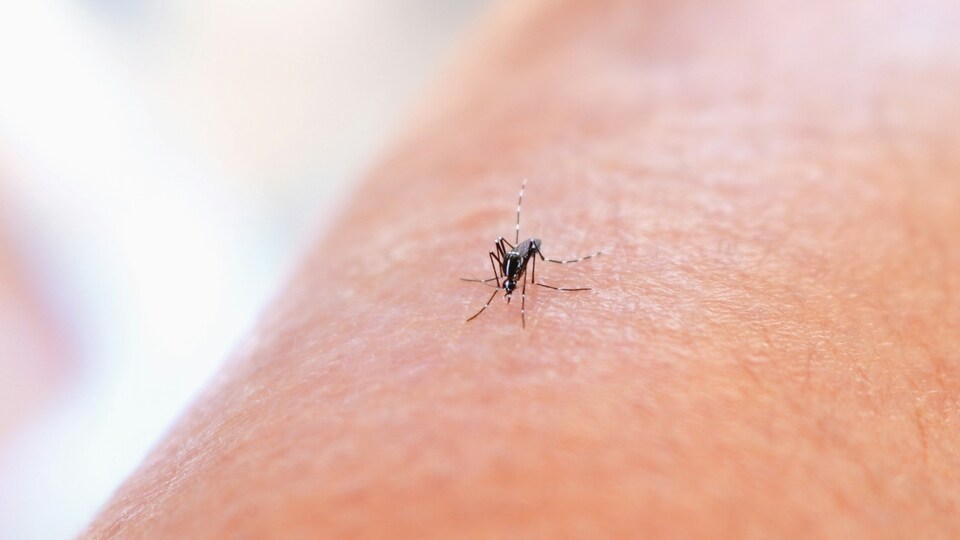
From malaria to fungal infections and pneumonia, know the common monsoon illnesses and how to stay safe.
While monsoon showers bring much-needed relief from the summer heat, they also come with an increased risk of infections and illnesses. The season sees a spike in mosquito-borne diseases, fungal infections, and food and water contamination. Understanding these common monsoon-related health issues and taking timely precautions is essential to stay safe and healthy. Also read | Doctors say 40% spike in waterborne illnesses during monsoon puts children and elderly at risk: Here's how to stay safe
In an interview with HT Lifestyle, Dr. Tushar Tayal, consultant, internal medicine, CK Birla Hospital, Gurugram said, “Monsoon season, as welcoming and timely as it is, has with it a variety of sneaky health dangers. Doctors routinely see a surge in infections this time around due to differing lifestyles and environmental factors.”
1. Mosquito-borne diseases spike
Puddles, drains, and containers of stagnant water become breeding pools for mosquitoes. Dengue, malaria, chikungunya, and Japanese encephalitis see a steep spike. These diseases can result in high fever, body pain, and in extreme cases, failure of organs.
2. Fungal diseases due to mold and moisture
High humidity leads to the development of mold on walls, clothes, shoes, and even food. Mold spores may induce skin allergy, respiratory infection, or sinusitis, particularly in immunocompromised persons. Symptoms of asthma and bronchitis are exacerbated with prolonged exposure.
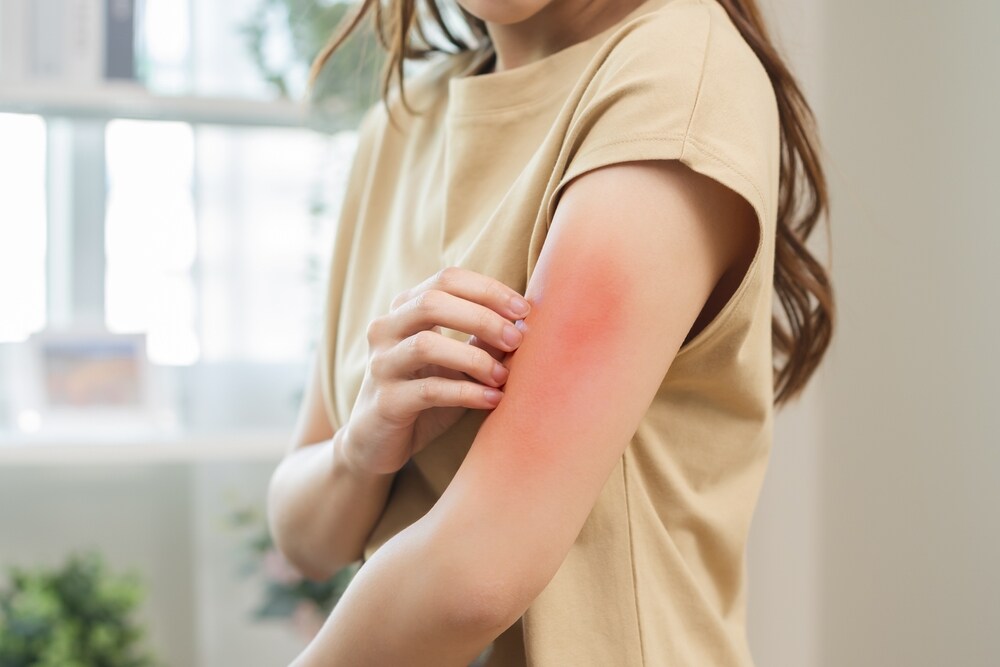
3. Leptospirosis due to infected water
Stepping through floodwaters exposes cuts or bruises to contaminated urine water. The bacterial infection results in fever, muscle ache, and liver or kidney injury if left untreated. Also read | Monsoon health alert: Watch out for these common illnesses in children and expert tips to prevent them
4. Food and waterborne disease
Contaminated water and poor food storage facilitate the transmission of typhoid, cholera, hepatitis A, and gastroenteritis. Consumption of street food or raw vegetables washed in unclean water can be risky.
5. Respiratory infections
The cold, damp conditions support the growth of viruses, resulting in cold, flu, bronchitis, and pneumonia. People with chronic respiratory illnesses must be more cautious during this period.
6. Skin infections
Excessive sweating, soggy clothes, and dirty water may lead to fungal infections such as athlete's foot, ringworm, and candidiasis. Avoid keeping damp clothes or shoes for prolonged hours.
Precautionary measures to stay safe:
1. Use mosquito repellents and drain standing water.
2. Dry wet corners and clothes immediately to prevent mold.
3. Drink filtered or boiled water and consume freshly cooked food.
4. Do not wade through flood water; cover open sores.
5. Practice good hygiene and keep your environment clean. Also read | Doctor shares 5 common seasonal skin infections during monsoon and how to prevent them
Note to readers: This article is for informational purposes only and not a substitute for professional medical advice. Always seek the advice of your doctor with any questions about a medical condition.


Catch your daily dose of Fashion, Taylor Swift, Health, Festivals, Travel, Relationship, Recipe and all the other Latest Lifestyle News on Hindustan Times Website and APPs.


