
 E-Paper



Gastroenterologist shares 4 effective hacks to prevent summertime food poisoning and when to visit a doctor

 Prefer HTon Google



Beat summertime food poisoning by knowing the safe ways of storing and handling foods at home.
Summertime increases the likelihood of food spoilage, spiking the risks of food poisoning. While it is commonly believed that food poisoning mostly comes from street food, high temperatures during summer can spoil even home-cooked meals, turning them into a big hazard if not stored or handled properly.
Moreover, the transition between summer's high temperature and the incoming monsoon's humidity adds another layer of risk. This is why precautions become important to save your home-cooked meals from turning into breeding grounds for harmful bacteria.
In an interview with HT Lifestyle, Dr Azhar Perwaiz, Director, GI Surgery, GI Oncology and Bariatric Surgery, Gastrosciences at Medanta, Gurugram, shared the reasons behind the rising summertime food poisoning.
He said, “The rising temperatures of the Indian summer significantly increase the risk of food spoilage and foodborne illnesses. According to the World Health Organization (WHO), the ‘danger zone’ for bacterial growth, between 4°C and 60°C, can be reached in under two hours on hot days. Recent incidents, such as the closure of 80 eateries in Kerala in early June for hygiene violations during the monsoon season, underscore the reality of this seasonal food-safety challenge.”
Dr Azhar Perwaiz listed out a complete guide, including precautions and when to see a doctor for food poisoning:
Preventive measures
1. Prioritise cleanliness
- Wash hands thoroughly and frequently, especially after handling raw food or using the restroom.
- Maintain clean surfaces, cutting boards, and utensils. Prevent cross-contamination between raw and cooked food items.
2. Proper cooking practices
- Utilise a food thermometer to verify safe internal cooking temperatures for meats. Fish, poultry, and meat must be cooked completely.
- Reheat leftovers until steaming hot to eliminate any remaining bacteria.
3. Refrigerate promptly
- Refrigerate perishable foods within two hours (or one hour in very hot conditions). Maintain a refrigerator temperature at or below 4°C.
- Consume leftovers within three to four days and discard any food left out for an extended period.
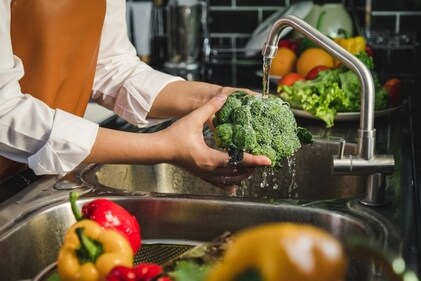
4. Properly washing
- Wash fruits and vegetables with clean, preferably boiled or filtered water.
- Avoid unsterile ice, unpasteurized juices, and roadside beverages.
Foods that may require extra care
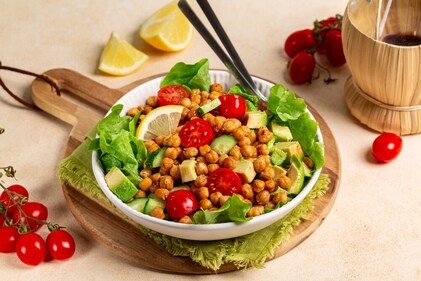
- Raw salads, cut fruits, cold cuts, and mayonnaise-based dishes are particularly susceptible to rapid spoilage.
- Exercise caution with street food, as vendors may not consistently maintain cold chains or adhere to strict hygiene standards, increasing the risk of contamination.
When to see a doctor

- Persistent vomiting or inability to keep fluids down.
- Signs of dehydration, such as decreased urination, weakness, fatigue, excessive thirst, and dry mouth.
- Fever.
- Blood in the stool.
- Severe abdominal pain or severe pelvic pain in women.
ALSO READ: IBS vs IBD: Gastroenterologist shares the main differences between the two common gut conditions
Note to readers: This article is for informational purposes only and not a substitute for professional medical advice. Always seek the advice of your doctor with any questions about a medical condition.


Catch your daily dose of Fashion, Taylor Swift, Health, Festivals, Travel, Relationship, Recipe and all the other Latest Lifestyle News on Hindustan Times Website and APPs.


