
 E-Paper



Gujarat doctor reveals why 37-year-old European who drinks had a ‘healthier liver’ than Indian teetotaller

 Prefer HTon Google


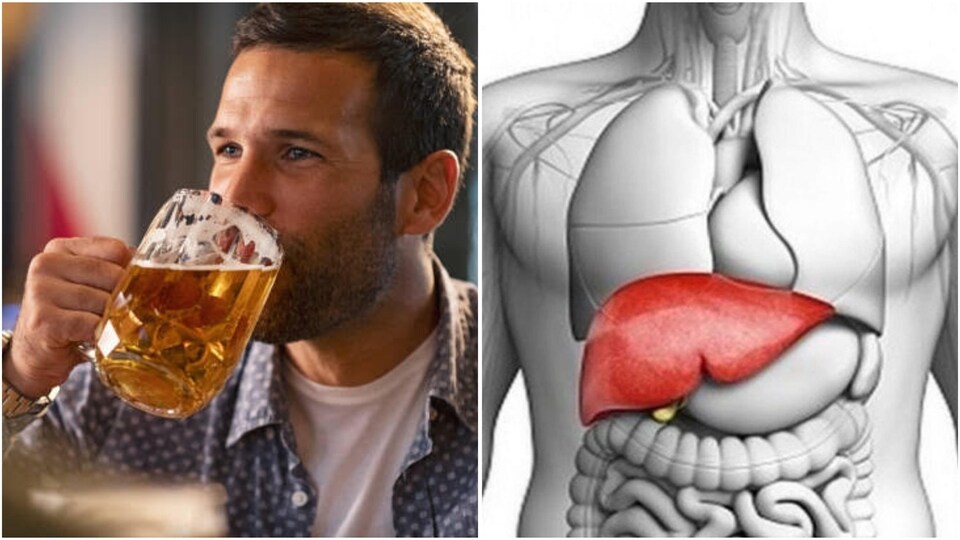
Despite consuming alcohol regularly, a 37-year-old European had a healthier liver than an Indian non-drinker, according to Gujarat radiologist Dr Harsh Vyas.
Alcohol affects everyone differently. While some people can sip through multiple drinks without much effect, others may feel flushed, dizzy or uncomfortable after just one glass. The reasons go far beyond tolerance or habit. Dr Harsh Vyas, a preventive and diagnostic radiologist based in Vadodara, Gujarat, explained in his February 7 Instagram post the genetic and lifestyle differences that may contribute to why many Europeans appear to handle alcohol more comfortably than Indians. (Also read: UK nutritionist explains how just ‘1 minute’ of intense exercise may cut heart disease risk by 40% )
In a video, Dr Harsh Vyas compared liver ultrasound reports of two 37-year-old men, one Italian and one Indian. What stood out was that the Italian patient, despite consuming alcohol two to three times a week, had a healthier liver than the Indian patient, who did not drink at all.
Why do Europeans experience fewer alcohol-related complications
Addressing a commonly asked question, Dr Vyas said many people wonder why Europeans can consume alcohol regularly yet show fewer cases of fatty liver, while the disease remains widespread in India, even among non-drinkers.
“There are a lot of reasons,” he explained, pointing to three major factors: genetics, diet and exercise.
1. Genetics
According to the doctor, enzyme activity plays a crucial role in how the body processes alcohol. “Among Europeans, alcohol dehydrogenase and aldehyde dehydrogenase enzyme activity is very good, which is not the case in our Asian population,” he said.
These enzymes help break down alcohol and clear out toxic intermediate metabolites. In populations where these enzymes function efficiently, harmful by-products are processed and eliminated more effectively. However, in many Asian individuals, slower enzyme activity means toxic metabolites remain in the body longer, potentially contributing to liver stress and other side effects.
2. Diet
Dietary patterns also make a significant difference. Dr Vyas noted that many European diets include complex carbohydrates, healthy fats from fish and seafood, olive oil, and adequate protein. These nutrients support better metabolic health and liver function.
“In contrast, the typical Indian diet is heavily dependent on refined carbohydrates and often lacks sufficient healthy fats and protein,” he explained. High refined carb intake is linked to increased fat accumulation in the liver, independent of alcohol consumption.
3. Physical activity
Exercise is another key differentiator. The Italian patient, he shared, walked 5–6 kilometres daily in addition to a 30–40 minute workout routine. “The majority of our population doesn’t exercise regularly, and many of us cannot even complete a 5 km distance daily,” Dr Vyas said.
Regular physical activity improves insulin sensitivity, reduces fat accumulation in the liver and helps the body recover from metabolic stress.
Dr Vyas concluded that alcohol alone does not determine liver health. “Even if Europeans drink alcohol, the rest of their lifestyle, balanced diet and regular exercise, helps them recover from the limited damage it may cause. Unfortunately, many Indians lack those protective lifestyle factors.”
The takeaway, he suggested, is not about comparing drinking habits but about focusing on overall metabolic health, nutrition and consistent physical activity.
Note to readers: This article is for informational purposes only and not a substitute for professional medical advice. Always seek the advice of your doctor with any questions about a medical condition.
This report is based on user-generated content from social media. HT.com has not independently verified the claims and does not endorse them.


Catch your daily dose of Fashion, Taylor Swift, Health, Festivals, Travel, Relationship, Recipe and all the other Latest Lifestyle News on Hindustan Times Website and APPs.


