
 E-Paper



Gynaecomastia: Causes, symptoms and treatment

 Prefer HTon Google


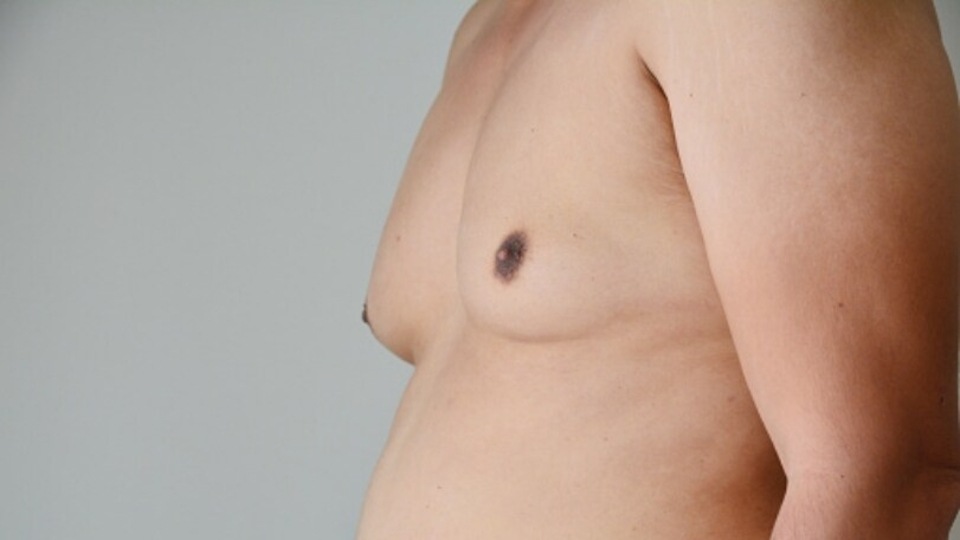
The condition, caused by hormonal imbalance, is often attached with a social stigma that delays the person's diagnosis and treatment. What are the causes and the symptoms of this condition? Know from the expert here.
Gynaecomastia is the condition where men's breasts grow more than the normal size due to hormonal imbalance. This condition surfaces due to multiple reasons. However, due to the societal stigma attached to such conditions, men and boys get delayed in seeking professional help. Speaking to HT Lifestyle, Dr. Shilpi Bhadani, Plastic, and Aesthetic surgeon, Founder SB Aesthetics, Gurugram said, "In our society, it is often an un-addressed issue due to a lack of education and awareness. Multiple social stigmas surrounding the presence of feminine characteristics in a male body often drive people to hide it from their peers and family and delay seeking help. There is a significant impact on the social functioning and self-esteem of a person and it is not uncommon for a person with gynecomastia to avoid social encounters and avoid wearing certain types of clothes to avoid awkward glances, questions, and in the worst-case scenario, ridicule, and isolation."
ALSO READ: Liposuction relieves Gynaecomastia
Dr. Shilpi Bhadani further busted several myths related to Gynaecomastia. She also spoke of the causes, symptoms and the treatments that can be referred to for this condition:
Causes:
A rather natural phenomenon, Gynaecomastia occurs in male bodies in three stages – infancy, puberty and advanced age. It is usually caused by hormonal imbalance causing enlargement of breast tissues. The imbalance between masculine and feminine hormones can be caused by multiple factors. Congenital conditions like thyroid disorders, testicular insufficiency; chronic liver or kidney disease; or certain cancers like liver, lung, prostate, or testicular cancers can cause such hormonal imbalance. Obesity also serves as an important causative factor. Pharmacological or chemical causes can be that of illicit drug abuse like marijuana, alcohol, anabolic steroids, or a certain class of medications that are consumed for a long time without the supervision of the treating physician. Certain chemotherapeutic agents used for cancer treatment can also at times lead to hormonal imbalance, further leading to Gynecomastia.
Symptoms:
Symptoms of Gynaecomastia includes enlargement of the breast tissue. Apart from the prominent size, people often experience pain, tenderness, or increased sensitivity. Gynecomastia is graded by the degree of severity into 3 grades which account for the volume of gland assessed clinically and associated skin excess or sagging.
Treatment:
Physiological Gynaecomastia is self-resolving in nature during infancy and puberty. Persistent pubertal gynecomastia – the most common form of the condition – is often encountered by Plastic surgeons. In such cases, liposuction with the surgical removal of the gland is done.


