
 E-Paper



Heart surgeon with 25 years of experience explains the link between alcohol use and cancer risk: ‘A Group 1 carcinogen…’

 Prefer HTon Google


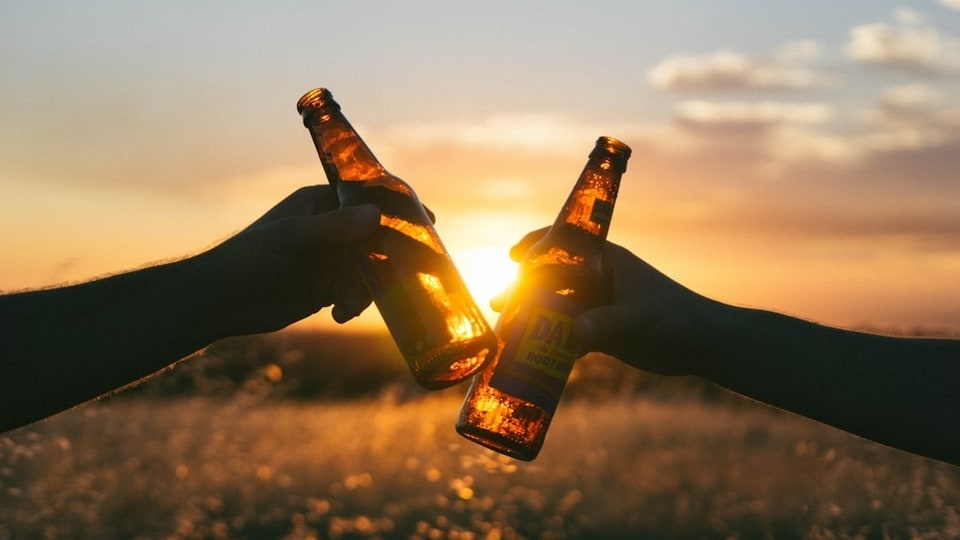
Did you know your cancer risk is directly proportional to your alcohol consumption? Dr London classifies it as a Group 1 carcinogen, the same level as tobacco.
That casual Friday night glass of wine with friends may feel harmless - even well deserved - but experts warn it may be contributing more to your long-term health risks than you realise. If you have ever thought that “just one drink won’t hurt”, it may be time to reconsider. While alcohol is deeply woven into social culture and celebration, growing evidence suggests that even moderate consumption carries measurable cancer risks. Understanding what that occasional drink truly means for your body is essential before brushing it off as insignificant.
Dr Jeremy London, a board-certified cardiothoracic surgeon with 25 years of experience, is breaking down the link between alcohol and cancer, highlighting the significant health risks associated with regular alcohol consumption. In an Instagram video shared on February 28, the heart surgeon explains the extent of alcohol’s harmful effects on the body, noting that it is classified in the same highest-risk category as tobacco when it comes to cancer risk.
Alcohol and cancer
Dr London points out that while many people recognise alcohol as harmful to overall health, few realise that it is the third most modifiable risk factor for cancer - after smoking and obesity. He emphasises that alcohol consumption has been linked to up to seven different types of cancer and notes that it has been classified as a Group 1 carcinogen by the International Agency for Research on Cancer, placing it in the same highest-risk category as tobacco.
The heart surgeon explains, “Here's what you need to know about alcohol and cancer. Now, most people realise that alcohol is toxic to your whole body, but fewer realise that it's the third most modifiable cancer risk factor just behind smoking and obesity. In fact, seven cancers are causally linked to alcohol use, including head and neck cancer, colorectal cancer, and breast cancer. This was so important that the International Research on Cancer Agency has listed alcohol as a Group 1 carcinogen, the same as tobacco.”
Dose dependent effects
According to Dr London, the risks are dose-dependent, meaning the likelihood of developing cancer increases with the amount of alcohol consumed. Even moderate intake is not risk-free - having just one drink per day can raise the risk of breast cancer by approximately five to 15 percent. For heavy drinkers, the risk rises significantly higher, irrespective of the kind of alcohol you consume, reinforcing the link between greater alcohol consumption and increased cancer risk.
The cardiologist stresses, “This is a dose dependent situation; in other words, it starts at zero. For instance, one drink per day increases your risk of breast cancer by 5 to 15 percent, and heavy drinking can increase your risk of head and neck cancer fivefold. It doesn't matter whether it's wine, beer, or liquor - ethanol is ethanol.”
Dr London emphasises that drinking alcohol is ultimately a personal choice, but it is important to understand the trade-offs involved. He stresses that people should make informed, mindful decisions about alcohol consumption, weighing the potential health risks against their choices rather than underestimating its impact.
He concludes, “Now, look, drinking is and always should be a personal choice, and I'm not here to judge. I am here to make sure that you understand the tradeoffs. Be mindful of your choices.”
Note to readers: This article is for informational purposes only and not a substitute for professional medical advice. It is based on user-generated content from social media. HT.com has not independently verified the claims and does not endorse them.


Catch your daily dose of Fashion, Taylor Swift, Health, Festivals, Travel, Relationship, Recipe and all the other Latest Lifestyle News on Hindustan Times Website and APPs.


