
 E-Paper



Heart surgeon with 25 years of experience explains why more women die of heart attacks: ‘Symptoms aren't recognised…’

 Prefer HTon Google


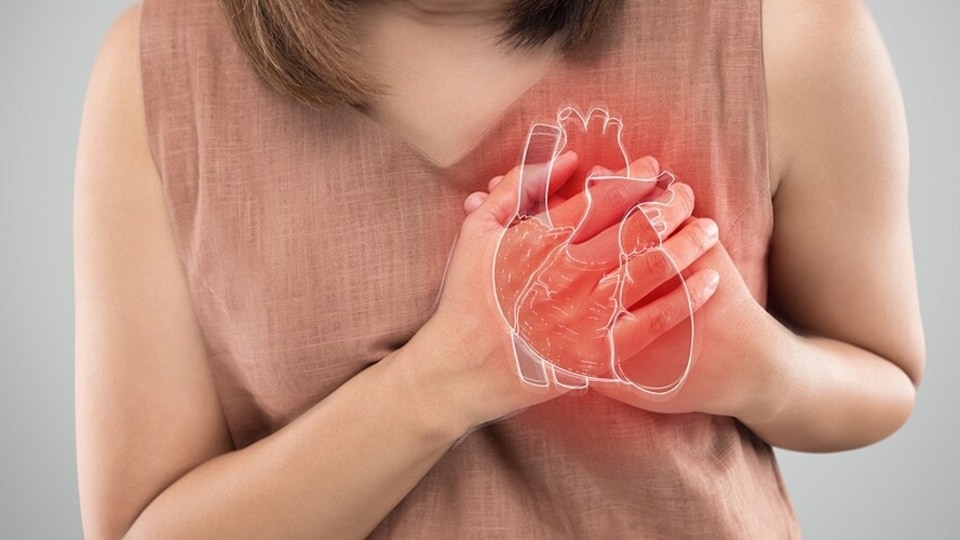
Heart attacks often present differently for women, with symptoms often being ignored or misdiagnosed. Dr London explains why they are more fatal in women.
Heart attacks are often imagined as sudden, dramatic events marked by crushing chest pain – but in women, the reality can look very different. Their symptoms frequently stray from these widely recognised warning signs, presenting instead in quieter, more subtle ways that are easy to overlook or misinterpret. This difference in how heart attacks manifest means they are often missed or diagnosed too late in women, contributing to a higher risk of fatal outcomes.
Dr Jeremy London, a board-certified cardiothoracic surgeon with over 25 years of experience, is breaking down why heart attacks are more likely to be fatal in women. In an Instagram video shared on March 26, he breaks down several key factors – ranging from atypical symptom presentation and delayed treatment to underlying biological differences – that contribute to women’s symptoms being overlooked or not receiving timely medical attention.
Why do more women die of heart attacks?
According to Dr London, women often do not present with the classic, textbook symptoms of a heart attack that are so frequently dramatised on television. The widely recognised signs – intense, crushing chest pain with discomfort radiating to the jaw or arm – are typically considered the norm, but many women never experience these hallmark indicators at all. Instead, their symptoms can be far subtler and easily overlooked, leading to delayed recognition and treatment. This disparity, he notes, is a key reason why heart attacks in women are more likely to go unnoticed – and ultimately, more likely to be fatal.
The heart surgeon explains, “Why do more women die from heart attacks than men? Well, there's a list of factors, but there's one that I wish more women were aware of, and that's this, that most women don't present with the typical TV heart attack, clutching your chest with pain radiating into the jaw and the arm.”
Heart attack symptoms in women
Dr London highlights that heart attack symptoms in women are often far more subtle – or even atypical – compared to the widely recognised signs. Instead of the classic chest pain, women may experience symptoms such as shortness of breath, persistent fatigue, nausea, or even vomiting. Because these indicators are less obvious and can mimic other conditions, they are frequently misdiagnosed or dismissed altogether, delaying timely intervention.
The cardiologist explains, “The symptoms can be much more subtle with shortness of breath, fatigue, nausea, and vomiting. And consequently, these symptoms aren't recognised as a heart attack.”
Delay in treatment
Because women’s symptoms are so often dismissed or misdiagnosed, Dr London notes that this can lead to dangerous delays in intervention and treatment. He stresses that time is critical during a heart attack – every minute matters, and prompt care can be lifesaving. His advice is clear: if something feels off or unusual, do not ignore it – seek medical attention without delay.
He highlights, “So, there's a delay in diagnosis and treatment. And time is of the essence when it comes to treatment of a heart attack. So, the next time something feels off, don't delay and seek medical attention.”
Note to readers: This article is for informational purposes only and not a substitute for professional medical advice. It is based on user-generated content from social media. HT.com has not independently verified the claims and does not endorse them.


Catch your daily dose of Fashion, Taylor Swift, Health, Festivals, Travel, Relationship, Recipe and all the other Latest Lifestyle News on Hindustan Times Website and APPs.


