
 E-Paper



High blood pressure in children and adolescent linked to unhealthy lifestyle: Study

 Prefer HTon Google


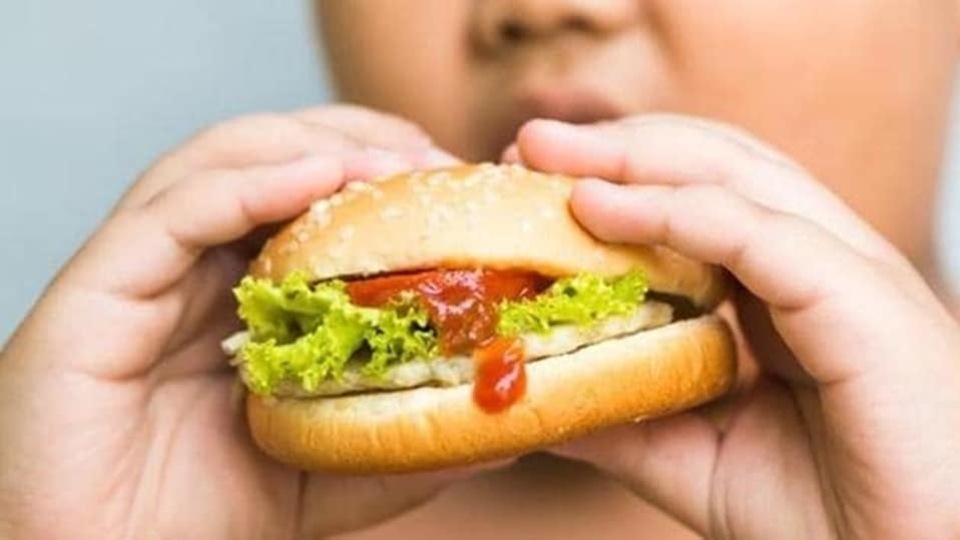
According to a recent study, nine out of ten cases of high blood pressure in children and adolescents are caused by inactivity, diets heavy in sugar and salt, and excess weight. A study, which focuses on hypertension in children aged 6 to 16, advises families to improve their overall health.
Nine out of ten occurrences of high blood pressure in children and adolescents are caused by inactivity, diets heavy in sugar and salt, and excess weight. A new study, which focuses on hypertension in children aged 6 to 16, advises families to improve their overall health.
The findings of the consensus paper by heart health experts were published in the European Heart Journal, a journal of the European Society of Cardiology (ESC). (Also read: World Hypertension Day: Survey finds fast food, pressure to perform turning kids hypertensive)
"Parents are significant agents of change in the promotion of children's health behaviours," said first author Professor Giovanni de Simone of the University of Naples Federico II, Italy. "Very often, high blood pressure and/or obesity coexist in the same family. But even when this is not the case, it is desirable that lifestyle modifications involve all family members."
Dietary recommendations for treating high blood pressure in children include emphasising fresh vegetables, fruits, and other high fibre foods, limiting salt intake, and avoiding sugar-sweetened drinks and saturated fat. Children and adolescents should do at least one hour of moderate-to-vigorous physical activity every day, such as jogging, cycling or swimming, and spend no more than two hours a day on sedentary activities. "Parents should monitor the amount of time their children spend watching TV or using smartphones and suggest active alternatives," said Professor de Simone.
Realistic goals should be set for weight, diet, and physical activity that focus on the aspects needing the most improvement. "Recording weight, eating habits and exercise over time -- but without becoming obsessive -- can help young people and their families to track progress towards their goals," said Professor de Simone.
A "health-promoting reward system" is recommended. Professor de Simone said: "Ideal incentives are those that increase social support and reinforce the value of targeted behaviours, such as a family bike ride or a walk with friends."
The document refers to childhood obesity and hypertension as "insidious siblings" which gradually become a serious health hazard. Studies have shown that childhood hypertension is becoming more common and that part of the increase can be explained by obesity, particularly abdominal obesity. It is estimated that less than 2% of normal weight children are hypertensive, compared to 5% of overweight and 15% of obese children. Professor de Simone said: "The rise in childhood hypertension is of great concern as it is associated with persistence of hypertension and other cardiovascular problems during adulthood."
Early diagnosis of elevated blood pressure is crucial so that it can be managed with lifestyle and, if needed, medications. Even one blood pressure measurement by a doctor or nurse can identify children with high blood pressure, but a second visit is recommended for confirmation. Professor de Simone said: "Screening should be performed in the primary care setting at least yearly, regardless of symptoms. This is because hypertension in children, as in adults, is usually asymptomatic."
When blood pressure measurements point to hypertension, a medical history and physical examination are needed to determine potential causes and identify behaviours that can be modified. Information includes family history of hypertension and cardiovascular disease, birth weight and gestational age; details on lifestyle such as smoking, salt intake, alcohol consumption, physical exercise and leisure time activities; and possible symptoms including headache, nosebleeds, vertigo, visual impairment, low school performance, attention difficulties, shortness of breath, chest pain, palpitations and fainting.
In the early stages, treatment of childhood hypertension should focus on education and behaviour change. If blood pressure goals are not achieved, a single low-dose drug should be introduced. If one drug is ineffective, small doses of two drugs may be needed.
The authors call for public health agencies to prioritise prevention and management of hypertension in children and adolescents. For example, campaigns to increase awareness of the risks of high blood pressure in young people and the positive impact of a healthy lifestyle including physical activity, a nutritious diet low in salt and sugar, and not smoking. Other recommended actions include protected time for children on TV and social media without promotion of junk food or potentially deleterious lifestyle habits.


