
 E-Paper



‘If they can do it I can too’: How Brais Dascal went from type 1 diabetes diagnosis at 7 to professional cycling

 Prefer HTon Google


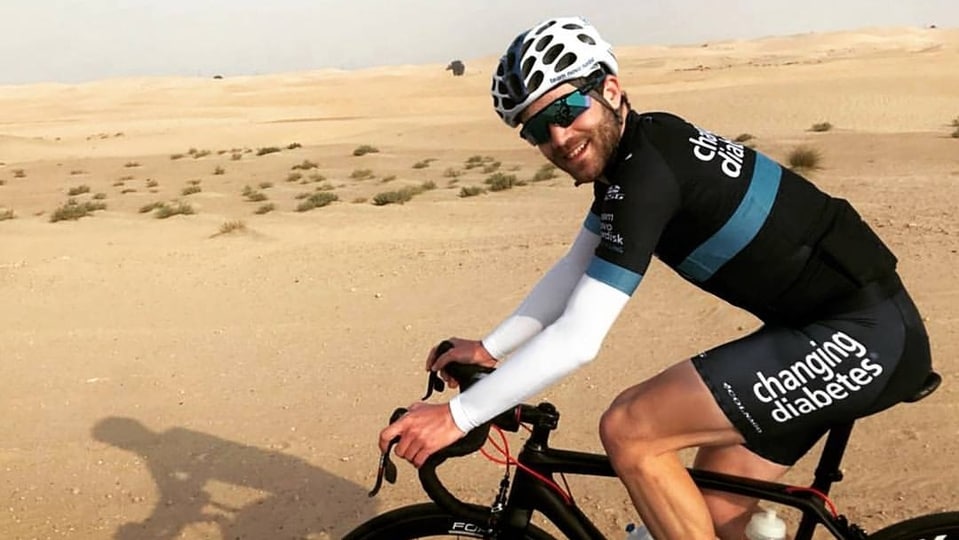
Professional cyclist Brais Dacal's journey highlights the change in perception of type 1 diabetes, and how with planning one can conquer the disease.
When your body stops producing enough insulin or is unable to use it properly, it can lead to a condition called diabetes. According to a 2024 report provided by the International Diabetes Federation Diabetes Atlas, 1.8 million children and adolescents (<20) are living with type 1 diabetes (T1D) globally.
Diabetes at a younger age increases the risk of complications such as heart disease, kidney failure, and nerve damage over time. Diabetes is challenging, but according to Brais Dacal, a 33-year-old Spanish professional cyclist with Team Novo Nordisk, who was diagnosed with type 1 diabetes at the age of 7, it doesn't define you and shouldn't stop you from pursuing your dreams.
When you hear ‘you have diabetes,’ especially for a kid, everything changes. However, Brais decided to embrace his condition through sports, competing by age 14. The Spaniard barely remembers a time when he didn’t want to ride all day, every day and as fast as possible. And now, while cycling professionally, he is simultaneously also creating global awareness about diabetes.
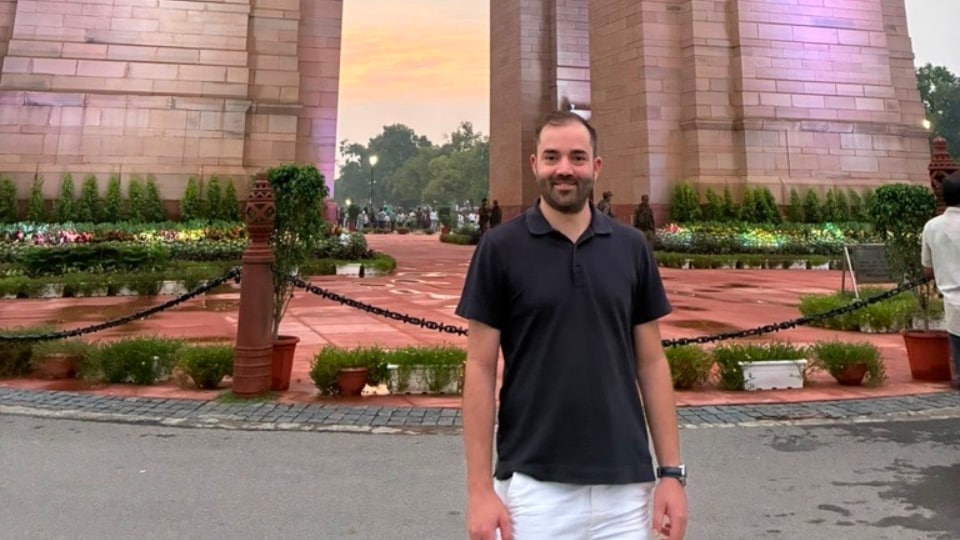
The cyclist was in India recently, and in an interaction with HT Lifestyle, he discussed his journey from being diagnosed with T1D to becoming a professional cyclist, the realities of managing the disease, his message to young patients with diabetes, and more.
Here are the excerpts from the interview:
You have participated in professional races for many years now, while simultaneously advancing diabetes education to people across the globe. How has the journey been?
It has been both interesting and challenging, but mostly, it has been extremely rewarding. We have faced so many barriers, such as stigma, people who believe that type 1 diabetes prevents us from living a normal life. By competing at the best level of professional sports, we have demonstrated that T1D is not a problem or burden for anything in life, as long as you take your medication and work hard for your goals.
Cycling is a demanding sport. What do you remember about the period when you first realised diabetes would be something you’d have to manage alongside the life you wanted to live?
I began to compete when I already had six or seven years living with T1D on my back. So, once I decided to give cycling a go, I quickly realised I would need to master my diabetes management. I never thought that it would be impossible. I simply focused on learning quickly what my needs were and how to fix problems, such as keeping the energy levels up or the glucose within an optimal target. I never saw T1D as a burden.
For a seven-year-old, being told they have Type 1 diabetes can feel like their world is suddenly full of limitations. What would you say to that child and their family about the possibilities that still lie ahead?
I would encourage them to learn as quickly as possible how to manage this new life. The sooner you dominate your diabetes, the sooner your life will be normal. To the family, I would say: please support your kid and their dreams all the way. They need you to be by their side. You're the biggest reference for your kid - if you give up, they will as well.
Was there a particular moment when you thought, 'I can actually do this professionally despite having Type 1 diabetes'?
Yes. I used to believe it myself, and that led me to keep trying and competing for many years. But for sure, the idea was strongly reinforced when I first heard about Team Novo Nordisk and saw that other riders with T1D were racing at a professional level. I thought, ‘If they can do it, I can do it!’
Is there any stigma around diabetes that you have faced during your years cycling professionally?
Back in my country, the stigma was mainly that people believed type 1 diabetes was a dangerous disease, and therefore, you should be careful with what you do. Diabetes is a health condition, as serious as any other, but once you manage it, you can live like everybody else. A lot of awareness was raised in my country, and now almost everyone sees T1D as just one more ‘health condition, which does not affect the way you live’.
Professional cycling demands enormous physical effort, while Type 1 diabetes requires constant attention to your body. What does managing diabetes during a race actually look like?
You really need to plan and use all the tools and knowledge that you have. Pro cyclists train and race pretty much every day, all year round, so you learn a lot. Then you need to get experience during races. Planning big efforts, adjusting your medication, keeping a careful race nutrition plan, and, most importantly, knowing how to quickly resolve a hypo or hyperglycemia.
Has there ever been a race, setback, or difficult moment when diabetes made you question whether professional cycling was sustainable for you? How did you manage?
There was a time when I had no support from my team, and I started to see my morale dropping. But I was convinced that I could do it. So I searched for support elsewhere, and how lucky I was to find my current team! Sometimes I think that without the lack of support I had in one place, I would never have tried harder. I used that difficult moment to become stronger.


Catch your daily dose of Fashion, Taylor Swift, Health, Festivals, Travel, Relationship, Recipe and all the other Latest Lifestyle News on Hindustan Times Website and APPs.


