
 E-Paper



Is thalassemia contagious? Doctor busts 7 myths, shares facts that you didn’t know before

 Prefer HTon Google


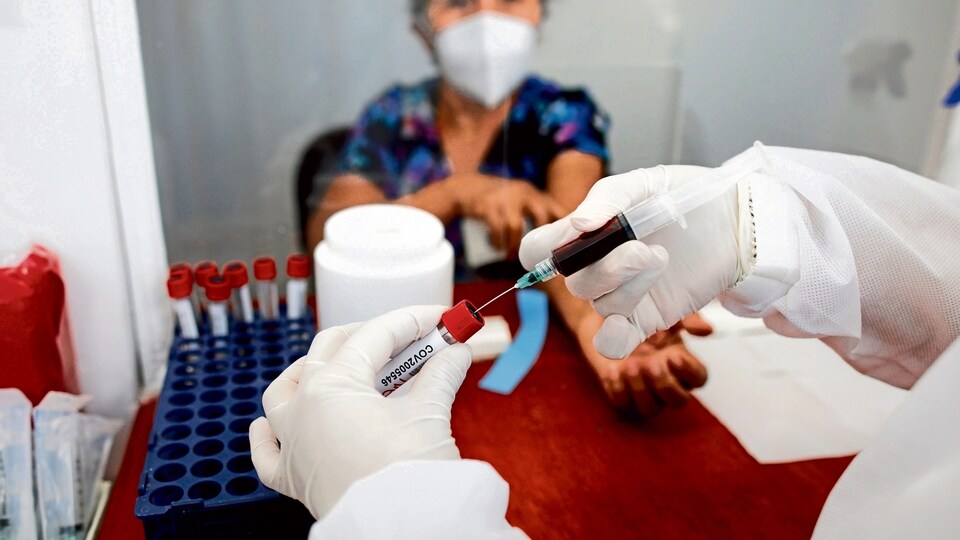
Should thalassemia carriers marry? Can thalassemia be prevented? Doctor shares information about this blood disorder that everyone should know.
Thalassemia is an inherited blood disorder in which the body produces reduced levels of haemoglobin, the protein in red blood cells responsible for transporting oxygen. This deficiency can lead to anaemia, often marked by symptoms such as fatigue and weakness. In more severe cases, regular blood transfusions are required for management. But, widespread myths and misconceptions surrounding thalassemia often lead to delayed diagnosis and treatment, putting patients at greater risk. Also read | Thalassemia: Expert insights on types, symptoms, prevention and treatment
In an interview with HT lifestyle, Dr. Madhav Danthala, consultant hemato-oncologist and bone marrow transplant physician, Yashoda Hospitals busted several myths.
Myth 1: Thalassemia cannot be prevented.
Fact: Thalassemia is preventable. Early screening, either before marriage or during early pregnancy, can identify carrier status. When couples are aware of their carrier status in advance, they can make informed reproductive choices to reduce the risk of having a child affected by thalassemia major.
Myth 2: Thalassemia carriers should not marry each other.
Fact: Carriers can marry, but with informed decisions. If both partners are carriers, genetic counseling and early antenatal testing (between 8–10 weeks of pregnancy) are essential. This helps assess the risk to the unborn child and explore available options.
Myth 3: Carrier parents will always have children with thalassemia.
Fact: There is a 25% chance in each pregnancy, not certainty. When both parents are carriers, each pregnancy has a 25% risk of thalassemia major, a 50% chance the child will be a carrier, and a 25% chance the child will be unaffected. If only one parent is a carrier, the child will not inherit thalassemia major. Advanced reproductive technologies like pre-implantation genetic testing (PGT-M) and prenatal diagnosis through chorionic villus sampling or amniocentesis offer additional options.
Myth 4: Thalassemia cannot be detected.
Fact: Carrier status and disease can be accurately diagnosed. Hemoglobin electrophoresis or high-performance liquid chromatography (HPLC) can detect carrier status, especially in individuals with unexplained microcytic anemia. DNA testing further identifies specific mutations. Prenatal diagnosis is possible through genetic testing of fetal cells.
Myth 5: There is no treatment for thalassemia major.
Fact: Effective treatment and curative options are available. Thalassemia major requires lifelong care, including regular filtered blood transfusions, iron chelation therapy, and monitoring for organ health. In selected cases, curative options like bone marrow transplantation and emerging gene therapies are also available.
Myth 6: All types of anemia, including thalassemia, are treated with iron supplements.
Fact: This is a dangerous misconception. Iron supplements are only effective in iron-deficiency anemia. In thalassemia, unnecessary iron intake can lead to serious complications due to iron overload. Accurate diagnosis is crucial before starting treatment. Also read | Health tips for managing Thalassemia with Yoga and Ayurveda
Myth 7: Thalassemia is contagious.
Fact: Thalassemia is not infectious. It is a genetic condition passed from parents to children and cannot spread through physical contact, sharing food, or exposure to body fluids.
Note to readers: This article is for informational purposes only and not a substitute for professional medical advice. Always seek the advice of your doctor with any questions about a medical condition.


Catch your daily dose of Fashion, Taylor Swift, Health, Festivals, Travel, Relationship, Recipe and all the other Latest Lifestyle News on Hindustan Times Website and APPs.


