
 E-Paper



Microplastics are everywhere at home; 5 simple swaps you can make for a healthier lifestyle
Doctors explain how everyday microplastic exposure happens, its possible health impact, and five practical household swaps that can help reduce it.


Our Picks
Our Picks
| Product | Rating | Price |
|---|---|---|
Nestasia Groovo Glass Containers with Lid Set of 7 (S-310ml x 2, M-520ml x 2, L-750ml, XL-1200ml, XXL-1700ml) Transparent Stackable Fridge Storage Box, Microwave & Dishwasher Safe (Green)View Details  | ₹1,999 | |
 | ||
Fruitalite Glass Food Storage Containers with Lids Set of 3 (370ml, 640ml, 1050ml) | Borosilicate Airtight Leak-Proof Lunch Box for Meal Prep | Microwave, Oven, Fridge & Freezer Safe | GreyView Details | ₹999 | |
| ||
Unlock Personalized ₹334x 6 months₹1,999  100% Secure 100% Secure Flexible EMI Tenure Flexible EMI Tenure | ||
Amazon Brand - Solimo Rectangular Glass Food Storage Container, 1900 ml - Set of 3, Airtight, Microwave & Freezer Safe, TransparentView Details | ₹2,050 | |
| ||
Amazon Brand - Solimo Stainless Steel Water Bottles Set of 6, 1L Each | Rust-Resistant, Shatter-Proof, Spill-Proof | Food Grade Steel | for Office, Home, Travel | Everyday Essential (Silver)View Details | ₹1,189 | |
| ||
The Better Home Stainless Steel Bottle 1 Litre | Leak Proof, Durable & Rust Proof | Non-Toxic & BPA Free Steel Bottles 1+ Litre | Eco Friendly Stainless Steel Water Bottle (Pack of 5) (Green)View Details | ₹1,459 | |
| ||

Research-Backed Choices
Every product we recommend is chosen through a combination of Primary Research and Secondary Research.
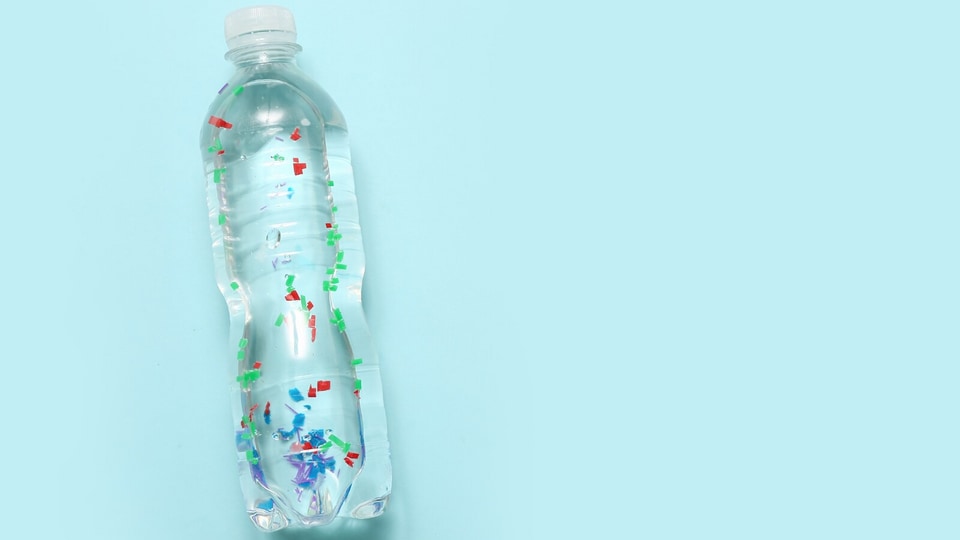
You probably do not think twice before pouring hot tea into a takeaway cup, reheating leftovers in a plastic container or grabbing a bottle of water before heading out. Plastic has quietly become part of almost every corner of our homes. The problem is not the plastic you can see. It is the tiny particles that break away over time.
Known as microplastics and nanoplastics, these particles have become a growing topic of medical research. Scientists have already found them in human blood, lungs, breast milk, the placenta and several other organs. While researchers are still studying their long-term impact on health, many doctors agree that cutting down unnecessary exposure is a sensible step. The good news is that you do not need to throw away everything you own. A few smart changes can make a real difference.
According to Prof. Dr Sanjeev Bagai, Padma Shri awardee, Senior Consultant Paediatrician, Paediatric Nephrologist and Founder of Zenre, microplastics enter the body through the air we breathe, the food we eat and even through contact with our skin. Once inside, they travel through the bloodstream and reach different organs.
He explains that research has identified microplastics in tissues including the brain, liver, kidneys, arteries and placenta. Laboratory studies suggest these particles can trigger oxidative stress, inflammation and cellular damage. "Micro- and nanoplastics enter the body through inhalation, ingestion and dermal contact. Once in the bloodstream, they circulate across different organs where they may contribute to inflammation and damage at the cellular level," he says.
Cancer specialists, though, urge people to keep the conversation balanced. According to Dr Darshana Rane, Consultant Medical Oncology at HCG Hospital, there is currently no conclusive evidence proving that microplastics directly cause cancer in humans. Most of the existing findings come from laboratory research, where scientists have observed inflammation, oxidative stress and changes within cells after exposure.
That does not mean the concern should be ignored. It simply means the science is still catching up. For now, reducing unnecessary exposure is a practical habit, much like limiting processed foods or wearing sunscreen. It is about making better choices, not living in fear.
5 simple swaps that can reduce microplastic exposure at home
1. Replace plastic food containers with glass
Glass containers are one of the easiest upgrades you can make in your kitchen. They do not scratch easily, do not absorb food odours and are a safer choice for storing leftovers.
If you regularly reheat meals, transfer the food to a glass or ceramic dish instead of placing plastic containers inside the microwave.
2. Replace plastic water bottles with stainless steel or glass
Refilling the same plastic bottle for months might save money, but worn-out plastic can degrade over time.
A stainless steel or glass bottle lasts much longer, keeps drinks tasting fresh and cuts down your dependence on disposable plastic bottles.
3. Replace old plastic cooking utensils with steel, wood or silicone
That favourite spatula with burn marks and scratches has probably seen better days.
Cooking tools made from stainless steel, natural wood, or food-grade silicone are generally better options for everyday cooking, especially at high temperatures.
4. Replace synthetic kitchen sponges with natural alternatives
Kitchen sponges made from synthetic materials wear down with repeated use. Tiny fibres can break away during washing and cleaning.
Natural loofahs, cellulose-based sponges and compostable scrubbers offer practical alternatives that also generate less plastic waste.
5. Replace frequent packaged food with fresh ingredients
Plastic packaging is hard to avoid completely, but small changes help.
Buying fresh fruits and vegetables, carrying reusable shopping bags and choosing loose produce instead of individually wrapped items can gradually reduce your daily contact with plastic packaging.
These changes may sound small on their own, but together they reduce repeated exposure that builds up over time.
As Dr Paritosh Baghel, Senior Consultant Physician at S.L. Raheja Hospital, Mahim, A Fortis Associate, points out, environmental exposure deserves as much attention as diet and exercise. Plastic containers, bottles, kitchen utensils, synthetic sponges and packaging materials can all become sources of microplastics, especially after years of use or repeated heating.
"There is absolutely no cause for alarm, but enough scientific evidence is accumulating to support safer habits at home. Prevention has always been the foundation of good health," he says.
That is perhaps the best way to think about microplastics. You do not need a plastic-free home by tomorrow. You do not need to panic every time someone hands you a takeaway coffee. Instead, pay attention to the everyday habits that are easy to change. Replacing a few common household items with longer-lasting alternatives is a practical move that benefits your home and, quite possibly,your health too.
Similar articles for you
Cushion covers to brighten up your rooms this summer; My top 8 picks
Office chairs with lumbar support: Understanding why this is important for your back
Switched my armchair to an ergonomic office chair: Changed how I work from home
The author of this article holds a Master's Degree in Interior Design and has spent over a decade in research, teaching, and designing homes from scratch.
Disclaimer: At Hindustan Times, we help you stay up-to-date with the latest trends and products. Hindustan Times has an affiliate partnership, so we may get a part of the revenue when you make a purchase. We shall not be liable for any claim under applicable laws, including but not limited to the Consumer Protection Act, 2019, concerning the products. The products listed in this article are in no particular order of priority.

Catch your daily dose of Fashion, Taylor Swift, Health, Festivals, Travel, Relationship, Recipe and all the other Latest Lifestyle News on Hindustan Times Website and APPs.


