
 E-Paper



Oncologist reveals if skin enhancement treatments like Botox, fillers, chemical peels make you more vulnerable to cancer

 Prefer HTon Google


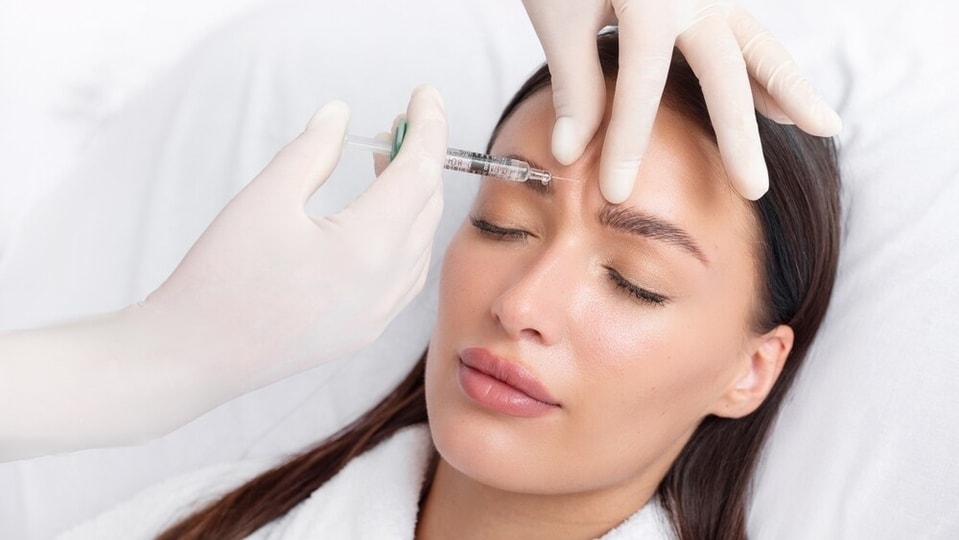
Are you at risk of cancer due to certain chemicals, ingredients or procedures used in skin enhancement treatments? Here's what an oncologist wants you to know.
Some beauty treatments or products might pose potential health risks, and therefore, it's essential to be aware of the ingredients and procedures used. In an interview with HT Lifestyle, Dr Iti Parikh, consultant medical oncologist, Bhailal Amin General Hospital, Gujarat explained if you are increasing your cancer risk for the sake of beauty by opting for skin enhancement treatments such as chemical peels and injectable fillers. Also read | Woman shows rubbing banana peel on face works like Botox for brightening skin: But does it really and is it safe?
Weigh the benefits and risks
Dr Parikh said, “With the fast-paced life today, the quest for attaining unblemished skin has given a boost to skin enhancement treatments such as chemical peel, laser resurfacing, injectable fillers, and light treatments. Skin enhancement treatments are different in nature, degree, and technology. Some are cosmetic acids, while others alter deeper skin layers and affect cellular function. The issue of concern, as far as the risk of cancer is concerned, is primarily due to the way these treatments affect skin cells, ultraviolet exposure, and chronic inflammation.”
Be wary of UVA and UVB radiation
According to her, 'one danger of cancer is from skin therapy using UV, or tanning beds': “They emit UVA and UVB radiation, which are both carcinogens. Cumulative use damages DNA in skin cells, resulting in mutations that can cause skin cancers like basal cell carcinoma, squamous cell carcinoma, and the more dangerous melanoma.”
Further highlighting the importance of caution with certain skin treatments, Dr Parikh warned against uncontrolled or excessive treatments that can cause harm, including radiation exposure or chemical reactions. According to her, certain chemicals, like phenol, have raised concerns due to potential carcinogenic effects in animal studies.

What you should know before opting for chemical peels
Dr Parikh said, “New skin treatments using controlled light therapies such as IPL and laser procedures are available in medicine, but the problem arises when they are done inappropriately, in excess, or by untrained personnel. Uncontrolled treatments can subject the skin to too much, and even harmful, radiation. Chemical peels involve the application of acid solutions to exfoliate the skin. They are safe when properly performed under medical supervision. There are still concerns regarding some chemicals like phenol, used in deeper peels, which in animal studies have been shown to cause carcinogenic reactions.”
Are Botox, microneedling and fillers safe?
Dr Parikh added that treatments like Botox should be performed by trained professionals in a medical setting: “Botox and dermal fillers relax wrinkles and provide facial contours. They are safe when administered by skilled practitioners and are FDA-approved, but some have been concerned that chronic inflammation or immune reactions will occur, which in extreme cases can provide a biological context for abnormal cell growth.”
Stressing how you should prioritise safety over aesthetics and desires, she shared that repetitive trauma from treatments like microneedling, laser, or chemical peels may lead to chronic inflammation, potentially linked to cancer. However, by being informed and taking necessary precautions, you can minimise risks associated with skin treatments.
“Repetition of trauma to the skin by microneedling, laser, or chemical peels may lead to chronic inflammation. Scientific literature shows that chronic inflammation plays a pathogenic role in cancers. Always visit trained dermatologists or aesthetic physicians, never repeat or refer yourself, cover your skin against sun exposure after the treatment, and never compromise on safety for vanity,” Dr Parikh said.
Note to readers: This article is for informational purposes only and not a substitute for professional medical advice. Always seek the advice of your doctor with any questions about a medical condition.


Catch your daily dose of Fashion, Taylor Swift, Health, Festivals, Travel, Relationship, Recipe and all the other Latest Lifestyle News on Hindustan Times Website and APPs.


