
 E-Paper



Parotid tumour: Causes, symptoms, diagnosis, treatment

 Prefer HTon Google


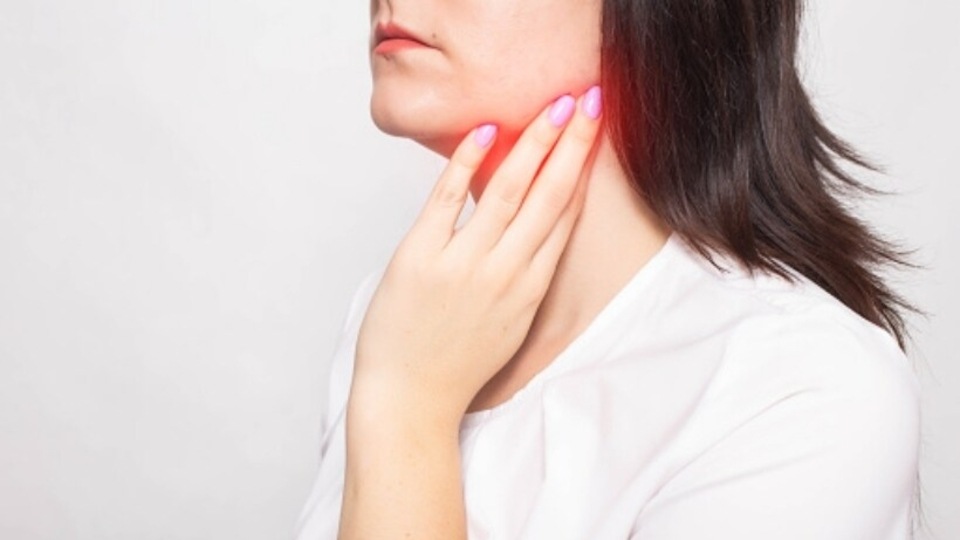
From causes to symptoms to the treatment procedures involved in the surgical removal of the tumour, know all about Parotid tumour from the experts here.
Parotid gland is one of the major salivary glands (glands that produce saliva) and is located behind the angle of mandible (jaw bone) and below the ear lobule on both sides. Parotid tumours are the abnormal growth of the cells of the parotid glands. Speaking to HT Lifestyle, Dr Satish Nair, Apollo Cancer Centre pointed out the causes of Parotid tumour.
ALSO READ: World Kidney Cancer Day 2022: Causes, symptoms and treatment of kidney cancer
Causes:
Parotid gland tumours are caused by gene mutation that leads to transformation as well as increased production of normal cells leading to tumour formation. The malignant changes occur when the alteration factors persist. There are multiple risk factors for developing parotid neoplasms like ionizing radiation, UV rays, HPV, EBV or HIV viruses, silica dust exposure and smoking.
Symptoms:
Speaking to HT Lifestyle, Dr. Vipasha Brajpuriya, senior Consultant, ENT, Accord Superspeciality Hospital, Faridabad said that the symptoms of Parotid tumour are many. “Parotid tumours cause swelling in the face or jaw that usually isn’t painful. Other symptoms are numbness, burning or prickling sensation in the face or a loss of facial movement. A slow growing swelling of the parotid tumour usually indicates a benign tumour while a rapidly growing swelling is more likely to indicate malignancy or infection. Difficulty moving one side of the face is known as facial nerve palsy. This can signal a malignant and advanced tumour,” said the expert.
Diagnosis:
The diagnosis of parotid tumours can be divided as clinical examination, radiological and pathological evaluation. The radiological evaluation includes ultrasound scan (USG), contrast enhanced CT scan or contrast enhanced MRI scan. “The best investigation of choice in parotid neoplasm is the contrast MRI scan which can evaluate the site of tumour and extension, facial nerve involvement, brain involvement or in case of residual (remaining disease after treatment) or recurrent disease (tumours that re-occurs),” said Dr Satish Nair. CT Scan, on the other hand, is performed to identify bone destruction or neck nodes.
Treatment:
Mini-incision parotidectomy: “The surgical exposure with mini-incision is excellent and facial nerve identification is good for all the cases. The duration of surgery is about 90-120 minutes and is similar to conventional techniques. There is no compromise in the disease clearance and the tumour is always completely removed with mini-incision. There are no per-operative complications like bleeding due to injury to blood vessels or injury to facial nerve and other critical structures,” said Dr Satish Nair.


