
 E-Paper



Runner’s Knee: Experts on warning signs to look out for Chondromalacia Patella

 Prefer HTon Google


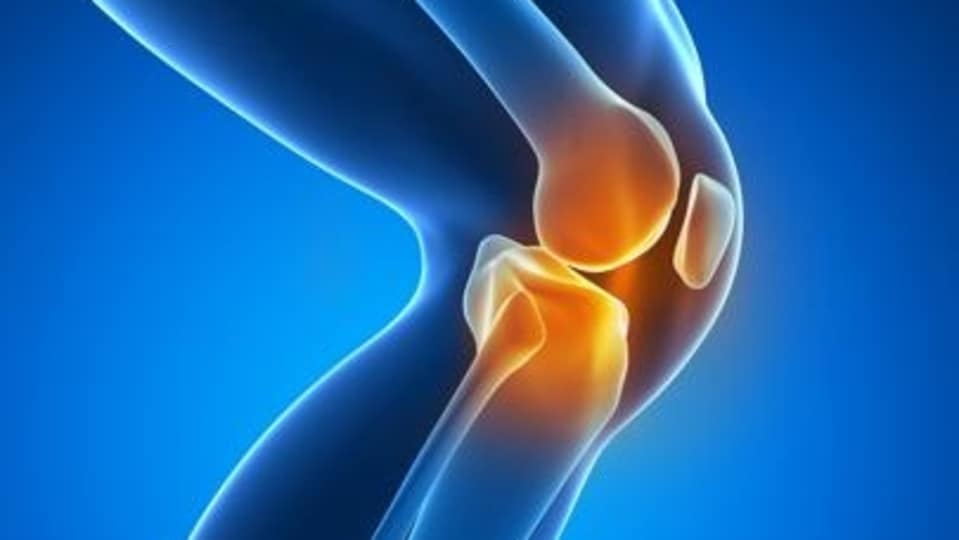
Health experts reveal warning signs to look out for runner’s knee or Chondromalacia Patella, tips for those starting to run or exercise or engage in sports
Running, as a form of exercise, is now catching up among the young Indians but one of the common problems faced by them is anterior knee pain or Chondromalacia patella, commonly known as "runner's knee", which is a condition that affects runners and athletes. Chondromalacia patella, often dubbed 'runner's knee', refers to the deterioration and softening of the cartilage on the undersurface of the patella or kneecap.
In an interview with HT Lifestyle, Prof (Dr) Pradeep Bhosale, Director, Arthritis and Joint Replacement at Nanavati Max Super Speciality Hospital in Mumbai, shared, “The key warning signs include anterior knee pain, which is a dull ache around or behind the patella, exacerbated by activities like kneeling or deep squatting. Often, there is a grinding or crunching sensation, known as crepitus, upon knee movement. Prolonged sitting can bring about discomfort or stiffness, and in some cases, there might be mild swelling post activity. A notable weakening or atrophy of the quadriceps, the large muscles at the front of the thigh, can lead to a force imbalance on the patella.”
He revealed, “During clinical examinations, a 'positive Clarke's sign', which is the pain or an inability to maintain quadriceps contraction under applied pressure, can indicate the condition. Furthermore, pain during physical activities, especially those that intensify pressure on the patellofemoral joint, such as running or stair climbing, can be indicative. For clarity, 'anterior' is the front side of the body, 'crepitus' is the sound or feel from friction between bone and cartilage, and 'atrophy' describes the reduction in muscle size. If you suspect you have chondromalacia patella, it is imperative to consult with a orthopaedic specialist for accurate diagnosis and treatment guidance.”
Dr Vasudev Prabhu, Consultant – Orthopaedics and Trauma and Joint Replacement Surgeon at Apollo Hopsitals in Bangalore's Sheshadripuram, explained, “Chondromalacia patella or runner's knee involves the softening and deterioration of the cartilage under the kneecap, causing pain and discomfort. People with flat foot or weakness of one of the muscle of the thigh or people who have knock-knees are more pre disposed to Chondromalacia Patella. The most common symptoms faced by people who are running is when they sit like in a movie theatre or in an office for more than one hour they get anterior knee pain which lasts for a few seconds to a minute and reduces as they start walking. Gradually it worsens to crackling sound when they bend and straighten the knee.”
He suggested the following tips for the people who are starting to run or perform a form of exercise or engage in sports -
- Get a routine examination from orthopedic surgeon.
- Strong and well-balanced leg muscles, including the quadriceps, hamstrings and hip muscles, are important for knee stability.
- Gradually increase running mileage and intensity to allow your knee joint to adapt and avoid excessive strain.
- Start with quadriceps exercises and IT band stretching before starting running as a sport.
- Use appropriate footwear and avoid running as a sport if you have flat foot.
- Incorporate proper warm-up and cool-down routines before and after running to prevent injury to muscle and thereby preventing cartilage injury.
Dr Vineet Tyagi, Associate Director of Department of Orthopaedics at Max Healthcare in Dehradun, highlighted, “Chondromalacia patella, commonly referred to as runner’s knee, is a condition that demands attention from athletes and individuals alike. Stemming from the degeneration of the cartilage beneath the kneecap, it brings discomfort and pain. One notable aspect that has gained attention is the impact of overloading the underlying subchondral bone. Rich in nerve supply, this bone can be a substantial source of pain when subjected to excessive stress. Furthermore, the soft tissues and the fat pad in the front of the knee also contribute to discomfort and pain.”
Pointing out that age and health conditions play pivotal roles in the development of runner's knee, he said, “Although prevalent in athletes, individuals of various age groups can be affected. Adolescents and young adults engaging in high-impact sports are particularly vulnerable due to the dynamic growth of bones and muscles. Additionally, older adults grappling with arthritis face an elevated risk, as the condition compounds the strain on the knee joint. Health conditions also contribute to the onset of runner's knee. Structural abnormalities such as misalignment of the kneecap or legs, ligament laxity, and hip disorders can create an environment conducive to its development. Moreover, those with weak quadriceps muscles and flat feet (pronated feet) find themselves at an increased risk due to compromised joint stability.”
He concluded, “Beyond age and health conditions, the choice of physical activities can elevate the risk of chondromalacia patella. Activities that involve repetitive stress on the knee joint, such as running, jumping, and cycling, place individuals in the high-risk category. Furthermore, sports like basketball, volleyball, and soccer, characterized by sudden stops, starts, and changes in direction, magnify the strain on the knee joint. Prevention and management strategies gain importance in light of these risk factors. Proper warm-up routines, targeted exercises to strengthen the quadriceps and hip muscles, and maintaining a healthy weight can mitigate the risk. Furthermore, individuals with arthritis should adopt joint-friendly activities to safeguard their knee health.”


