
 E-Paper



Seasonal sniffles? Nutritionist shares 4 foods that should be avoided during winter to prevent cough and cold

 Prefer HTon Google


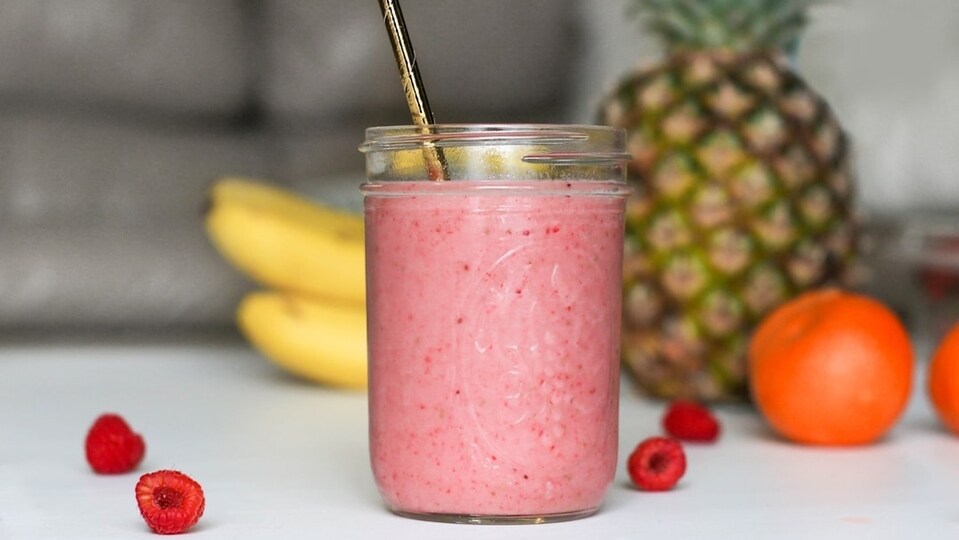
Some foods naturally cool down the body, and consuming them during winters can increase the risk of catching a cold. Khushi shres 4 such foods.
As winter sets in and temperatures drop, many people find themselves battling a constantly runny nose, recurring colds and stubborn congestion. While chilly weather often gets the blame, your diet may be quietly contributing to those persistent sniffles. Certain foods have a naturally cooling effect on the body and, when consumed during winter, can disrupt internal warmth and increase mucus production - making you more prone to catching a cold.
Khushi Chhabra, a holistic health nutritionist and diabetes educator, has outlined four foods that should be avoided during winters to reduce the risk of catching a cold. In an Instagram video shared on December 28, the nutritionist explains that certain foods can increase mucus production in the body, potentially raising the risk of colds and sniffles, and are therefore best avoided during the winter months.
Why should some foods be avoided during winter?
According to Khushi, if you’re dealing with a persistent cough, cold or excess mucus during winter, your diet could be playing a role. She explains that certain foods are naturally cooling in nature and may increase mucus production, raising the likelihood of frequent colds in colder months.
She explains, “Winter is here, but so are the sniffles! If you’re struggling with a cold, cough, or persistent congestion, your diet might be the culprit. While some foods are superfoods in the summer, they can actually cool your body down too much or increase mucus production during the colder months.”
The nutritionist outlines four foods that must be avoided during winters if you are prone to the sniffles.
Sattu
According to Khushi, sattu is a naturally cooling food, which is why it is traditionally considered ideal for consumption during the summer months. She explains, “Sattu is a summer superfood, not a winter one. It is naturally cooling, which is why it should be completely avoided in winters.”
Fennel water
The nutritionist explains that fennel seeds are naturally cooling in nature and should therefore be avoided during winter, to reduce the risk of catching a cold. She states, “ The nature of fennel is naturally cold, so if you drink too much fennel water in the cold, it can increase your chances of catching a cold.”
Fruit and curd smoothies
Khushi advises steering clear of cold fruit-and-curd smoothies, explaining that they can increase mucus production in the body and contribute to congestion. She highlights, “Fruit and curd combined can increase mucus production in your body, which can cause congestion and cold problems.”
Coconut water
The nutritionist warns against drinking coconut water in excess during winter, noting that its cooling effect can further lower the body’s internal warmth. She states, “Coconut water is naturally cooling for your body; therefore, avoid it or consume it in limited amounts during winters.”
Note to readers: This article is for informational purposes only and not a substitute for professional medical advice. It is based on user-generated content from social media. HT.com has not independently verified the claims and does not endorse them.


Catch your daily dose of Fashion, Taylor Swift, Health, Festivals, Travel, Relationship, Recipe and all the other Latest Lifestyle News on Hindustan Times Website and APPs.


