
 E-Paper



Second heart attack can be more serious than first, cardiologist Dr Ashwani Sharma warns of 6 warning signs to watch for

 Prefer HTon Google


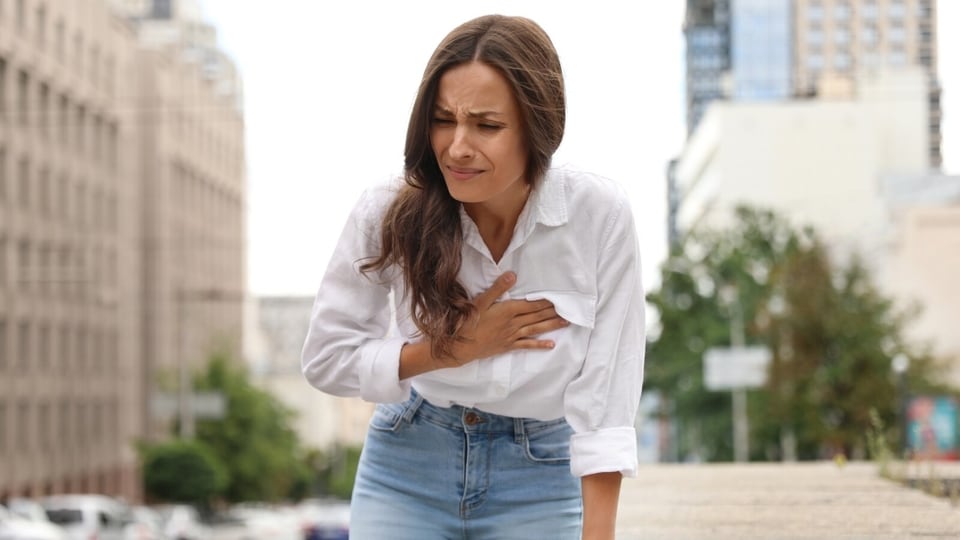
A second heart attack can be more serious than the first. A cardiologist explains who is at risk, warning signs to watch for, and how to reduce your risk.
A heart attack is a life-changing event, but surviving one doesn't always mean the risk is over. In fact, people who have had a heart attack remain at a higher risk of experiencing another one if they do not manage their heart health carefully. A second heart attack can happen weeks, months, or even years after the first and may be more dangerous because the heart has already suffered some damage. However, the risk can be significantly reduced with timely treatment, regular follow-ups, healthy lifestyle changes, and prescribed medications.
Dr Ashwani Kumar Sharma, Senior Consultant, Cardiology, CK Birla Hospitals Jaipur, explains to HealthShots why a second heart attack can be more serious and what you can do to protect your heart.
What is a second heart attack?
A second heart attack occurs when blood flow to the heart is reduced or completely blocked again after a person has already experienced one heart attack. According to Dr Sharma, "This may happen because of a new blockage in another coronary artery, the development of disease in a previously treated artery, or a blockage within or around a previously placed stent."
A second heart attack can occur within a few weeks of the first event or even decades later. Since part of the heart muscle may already have been damaged during the first attack, another episode can further weaken the heart's pumping ability if not treated quickly.
Can a second heart attack be more serious?
Yes, in many cases it can. After the first heart attack, the heart muscle may already be weaker. A second attack can damage even more heart tissue, increasing the risk of complications such as heart failure, abnormal heart rhythms, low blood pressure, or even sudden cardiac death.
However, Dr Sharma says, "The severity also depends on factors such as the location and size of the blockage, how quickly treatment is started, and the person's overall heart health. Many people recover well and continue to live healthy lives when they receive prompt medical care and follow their treatment plan."
Who is at a higher risk of a second heart attack?
Anyone who has already had a heart attack is at an increased risk. However, the risk becomes even higher if other health conditions are not well controlled. These include:
- Diabetes
- High blood pressure
- High cholesterol
- Chronic kidney disease
- Obesity
- Chronic stress
Certain lifestyle habits can also raise your risk of a second heart attack, such as:
- Smoking or using tobacco
- Drinking excessive amounts of alcohol
- Lack of regular physical activity
- Following an unhealthy diet
- Skipping prescribed medications or missing follow-up appointments
- Having a family history of early heart disease
According to Dr Sharma, following your doctor's advice consistently is one of the most important ways to reduce the chances of another heart attack.
Warning signs of a second heart attack
The symptoms are often similar to those of the first heart attack. Seek emergency medical attention if you notice:
- Chest pain, pressure, tightness, or squeezing
- Shortness of breath
- Unusual fatigue or weakness, especially during activity
- Dizziness or feeling faint
- Nausea or vomiting
- Cold sweats, particularly along with chest discomfort
Do not ignore these symptoms, even if they seem mild or disappear after a few minutes.
How to prevent a second heart attack?
Dr Sharma recommends the following tips to reduce the risk of a second heart attack:
- Take all prescribed medications, including antiplatelet drugs, cholesterol-lowering medicines, and blood pressure medications, exactly as advised.
- Keep diabetes, blood pressure, and cholesterol under control through regular monitoring.
- Quit smoking and avoid all forms of tobacco.
- Limit alcohol consumption.
- Eat a balanced diet rich in fruits, vegetables, whole grains, lean proteins, and healthy fats.
- Exercise for at least 30 minutes on most days after discussing it with your doctor.
- Join a cardiac rehabilitation programme to improve recovery and reduce future risk.
- Manage stress through yoga, meditation, deep breathing, or other relaxation techniques.
- Aim for 7–8 hours of quality sleep every night.
- Visit your cardiologist regularly to monitor your heart health and detect any changes early.
Remember, if you experience chest pain, breathlessness, or unexplained cold sweats, seek medical help immediately. Early treatment can save heart muscle and significantly improve survival.
FAQs
1. Can a second heart attack happen years after the first?
Yes. A second heart attack can occur weeks, months, or even decades after the first, especially if heart disease continues to progress.
2. Is a second heart attack always more dangerous?
Not always, but it is often more serious because the heart may already have been weakened by the first attack.
3. Can lifestyle changes prevent another heart attack?
Yes. A healthy diet, regular exercise, quitting smoking, managing stress, and taking prescribed medications can significantly lower the risk.
4. What should I do if I think I'm having another heart attack?
Seek emergency medical care immediately. Do not wait for the symptoms to improve on their own.
5. How often should heart attack survivors see a cardiologist?
The frequency depends on your condition, but regular follow-ups are essential to monitor recovery, adjust medications, and reduce the risk of another heart attack.
(Disclaimer: This article is for informational purposes only and is not a substitute for professional medical advice. Always seek the advice of your doctor with any questions about a medical condition.)


Catch your daily dose of Fashion, Taylor Swift, Health, Festivals, Travel, Relationship, Recipe and all the other Latest Lifestyle News on Hindustan Times Website and APPs.


