
 E-Paper



Men over 40, don't skip these health tests: Doctor shares 5 risks to screen for, from blood sugar to fatty liver

 Prefer HTon Google


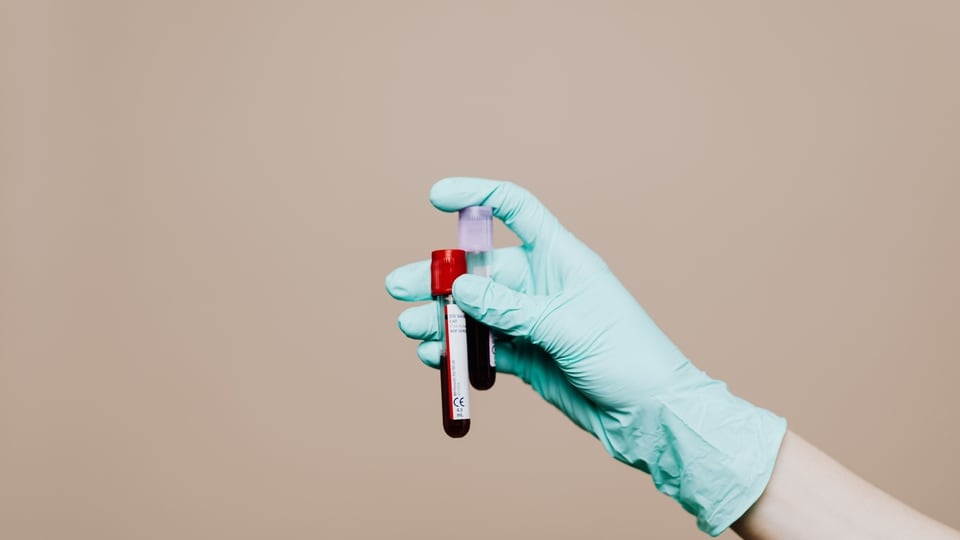
Know from a health screening expert why preventive screening tests are essential after the age of 40, even when there is no clear symptom.
As one approaches middle age, around 40, several health risks may remain undetected because they do not cause visible symptoms. Men entering their 40s may experience changes in various health parameters, from blood pressure and cholesterol levels to liver health, without any clearly observable discomfort.
ALSO READ: Feeling tired or bloated all the time? Gynaecologist explains the real reason and tests you need
Weighing in on this, Dr Bilal Thangal T M, medical lead at NURA - AI Health Centre, shared which tests men should undergo after turning 40.
He also recalled the case of a seemingly fit 43-year-old man who had never undergone a complete blood test. The man finally decided to get screened after his brother, two years younger than him, required a heart stent.
This shows that people often undergo health screenings only after someone close to them experiences a health scare. But this should not be the case.
While it is non-negotiable that health screening after 40 is important, the doctor also clarified that the age should not be viewed as a frightening deadline. “Forty isn't a deadline. It's just the point where paying attention starts paying off. The men who get this right rarely think twice about it again. The ones who don't are usually the ones we see a few years later, asking why nobody flagged it sooner.”
Turning 40 does not mean it marks the beginning of illness, but getting screened at this age can help detect health conditions early, as certain age-related risks also increase. You can then take preventive measures or receive timely treatment to prevent the condition from worsening.
Here are a few areas you need to cover:
1. Cardiovascular risk

Cardiovascular risk does not suddenly emerge at 40. Rather, it develops as a cumulative effect of an unhealthy diet, chronic stress and physical inactivity over the years. The doctor thus debunked the notion that this risk simply ‘switches on’ at 40.
“Cardiovascular risk is where most of our screening conversations start, because that's where the damage tends to be doing its work without anyone noticing,” he added.
2. Blood pressure

The next parameter is blood pressure, which, according to Dr Thangal, is one of the simplest and easiest health indicators to measure. However, elevated blood pressure may not cause any apparent symptoms. He said, "No headache, no dizziness, nothing. We've had men come through our centre at 150/95 telling us they feel ‘absolutely fine.’”
3. Blood sugar and cholesterol
Blood sugar and cholesterol are the next two health parameters the doctor discussed together because, as he explained, ‘they tend to travel together.’
“If there's diabetes anywhere in the family, or weight has crept up steadily over the last few years, fasting glucose and HbA1c need checking once a year, not once a decade," he advised. Moreover, he also added that the same approach applies to LDL cholesterol and triglycerides: “None of these shows up as a feeling. They show up as a number on a report, which is exactly why people skip the test in the first place.”
4. Liver
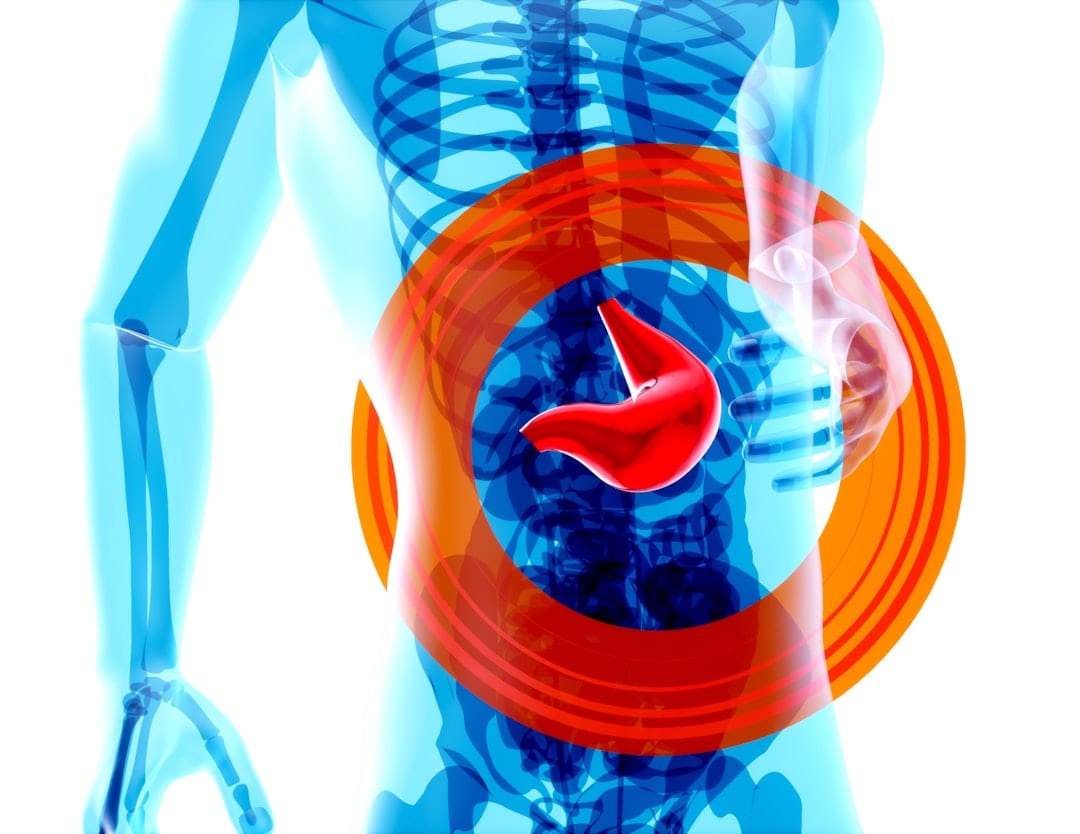
The liver is one of the body's crucial organs, performing several essential functions, including filtering toxins from blood, processing nutrients and producing bile for digestion. Still, Dr Thangal warned liver health is not discussed enough, largely because of the misconception that liver disease affects only heavy drinkers. This is no longer the case.
How is this changing? “Fatty liver disease used to be something associated mostly with heavy drinkers. Not anymore. We're seeing it in men who barely drink, purely from weight gain and inactivity.”
But the expert assured that this is actually reversible if you lose weight and fix your diet; then your liver recovers on its own.
5. Cancer

The risk of certain cancers also increases with age. The expert recommended discussing relevant screening tests with a doctor: "Once a man crosses into his 40s, certain cancer screenings become relevant too, prostate-specific antigen testing and colorectal screening among them.”
Note to readers: This article is for informational purposes only and not a substitute for professional medical advice. Always seek the advice of your doctor with any questions about a medical condition.


Catch your daily dose of Fashion, Taylor Swift, Health, Festivals, Travel, Relationship, Recipe and all the other Latest Lifestyle News on Hindustan Times Website and APPs.


