E-Paper



Slouching at work can give you a potbelly, back pain and more: Here's why you need to fix that posture ASAP

 Prefer HTon Google


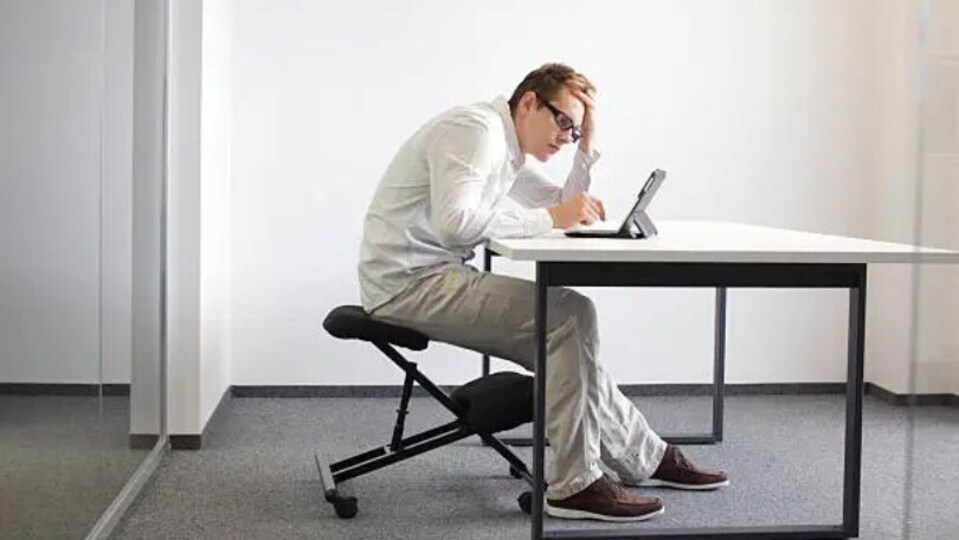
Slouching alters spinal curvature, leading to health problems like back pain and nerve compression.
Slouching is a posture where a person tends to sit or stand in a lazy, droopy manner. However, this position can cause significant problems for the spine – it can lead to spinal dysfunction, back pain, joint degeneration and potbelly. In an interview with HT Lifestyle, Dr. Mazda K. Turel, Brain and Spine surgeon at Wockhardt Hospitals, Mumbai Central, said, “Slouching, whether while sitting or standing, exerts excessive pressure on your spine and muscles, leading to various long-term health issues.” Slouching can affect health – the brain and spine surgeon further noted down how it can affect us.
ALSO READ: Stop slouching! It's time to save your neck
Spinal misalignment:
When you slouch, the spine's natural curvature is altered, resulting in spinal misalignment. This misalignment increases the pressure on the vertebrae and intervertebral discs, potentially causing conditions such as herniated discs or chronic back pain. Furthermore, poor posture can put strain on the muscles, ligaments, and tendons surrounding the spine, leading to muscle fatigue and discomfort.
ALSO READ: Reasons why we should pay attention to our posture
Affect the nervous system:
From a neurological standpoint, extended periods of slouching can impact the nervous system. The spine protects the spinal cord, which is responsible for transmitting signals between the brain and the body. When posture is compromised, nerve compression can occur, leading to symptoms like numbness, tingling, or even diminished motor function in severe cases.
Decreases oxygen intake:
Slouching restricts lung expansion, which decreases oxygen intake and can impair concentration and cognitive function. Over time, poor posture may also contribute to issues such as tension headaches and temporomandibular joint (TMJ) dysfunction.
Combat slouching with strong core and posture adjustments:
"Improving posture and strengthening core muscles can greatly diminish the risk of these problems. If pain continues, seeking medical evaluation is essential to prevent further damage to the spine and nervous system. Making simple adjustments to your posture now can help avert complex spinal issues in the future,” added Dr. Mazda K. Turel.
Disclaimer: This article is for informational purposes only and not a substitute for professional medical advice. Always seek the advice of your doctor with any questions about a medical condition.