
 E-Paper



Stressed out of blue? Study says poor hydration spikes cortisol, know the correct way to measure water intake

 Prefer HTon Google


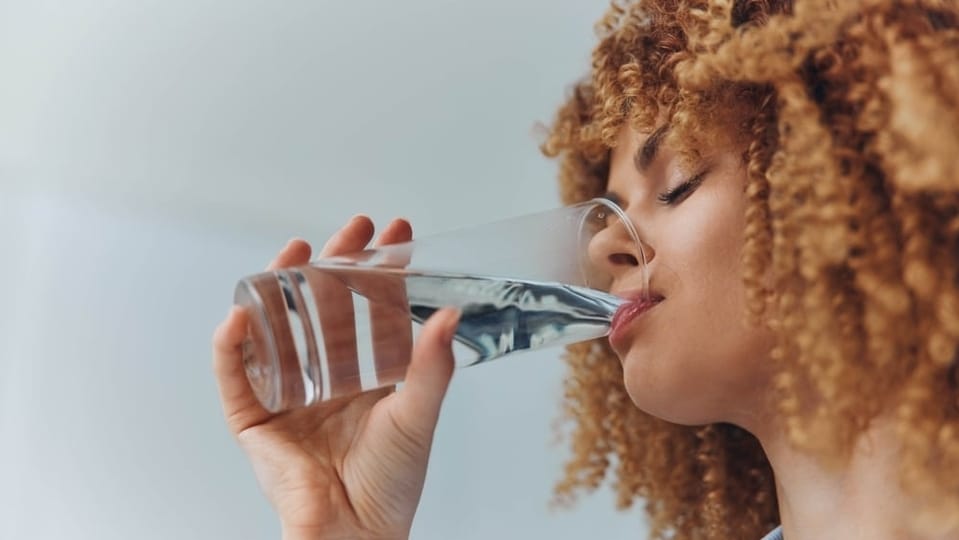
Dehydration causes the stress hormone cortisol to increase, making you feel more stressed. Know the hydration rules to be stress-free.
Do you feel jittery and wound up in the middle of the day for no reason? When there seems to be no clear reason as such, this unexplained stress can leave you vexed, wondering what you might be missing. Turns out the missing piece of this puzzle is actually your hydration levels.
ALSO READ: Stress affecting liver health? Yoga expert shares 4 breathing techniques to boost natural detox
Yes, a study published in the Journal of Applied Physiology on September 3, 2025, found that poor hydration, i.e, not drinking enough water, may increase the stress hormone called cortisol.
Stress is related to water intake

Now, let's first look at what stress primarily is. According to the World Health Organisation, stress is defined as a natural human response of worry or tension that is caused by a difficult situation. Here's where it gets complicated, as you may still be stressed despite not having an adversity or immediate threat around.
The study answered this and shared that people who drink less water will have darker urine or lower urine, and this state is called ‘suboptimal hydration.’ This affects the hormones in the body. Dehydration spikes a hormone called arginine vasopressin (AVP), which helps to balance water levels in the body. This hormone can also spike cortisol release, hence making you more stressed. So when you don't drink enough water, your body is more stressed, even if there isn't any threat around.
The researchers conducted a test on those who were dehydrated, and the results of stress with elevated anxiety and heart rate were more pronounced in them. Even the baseline cortisol levels were much higher.
How much water should you drink ideally?
To reduce risks from dehydration, and in this case, elevated stress levels, understanding the adequate hydration levels is essential.
Dimple Bawri, founder and Chief Nutrition Officer, nirā balance, told HT Lifestyle that at least 2.5 litres of water need to be consumed.
Athletic people need more water intake, as she said, “If you are athletic, you need anywhere from 1-2 litres extra per day, depending on how active you are. Generally speaking, the amount will vary by weight.”
So how do you calculate your hydration levels? Sharing how to do so, Dimple added, “One way is to do 6 times your body weight in kilograms. However, the best way to calculate is to evaluate the colour of your urine. If it's neutral, you have enough water. If it is dark, you need more. Another way to do this is to use pH paper. If the urine is neutral pH (about 7) you have enough water.”
But at the same time, drinking too much of water can also have unintended effects on your body, as Dimple noted, it may flush out the minerals and vitamins. She said, “If you drink too much water, your body will be forced to excrete the excess. When you do, you will not excrete water alone. You will also excrete minerals and vitamins, which are part of the blood. If this continues to happen, you will become mineral-deficient, which in turn will create hunger and cravings. Therefore, it is always best to drink only that much water that you need.”
Just like all things in life, hydration too benefits from moderation, drinking only as much as is necessary!
Note to readers: This article is for informational purposes only and not a substitute for professional medical advice. Always seek the advice of your doctor with any questions about a medical condition.


Catch your daily dose of Fashion, Taylor Swift, Health, Festivals, Travel, Relationship, Recipe and all the other Latest Lifestyle News on Hindustan Times Website and APPs.


