E-Paper



Aim, smile, click: The photograph turns 200

 Prefer HTon Google


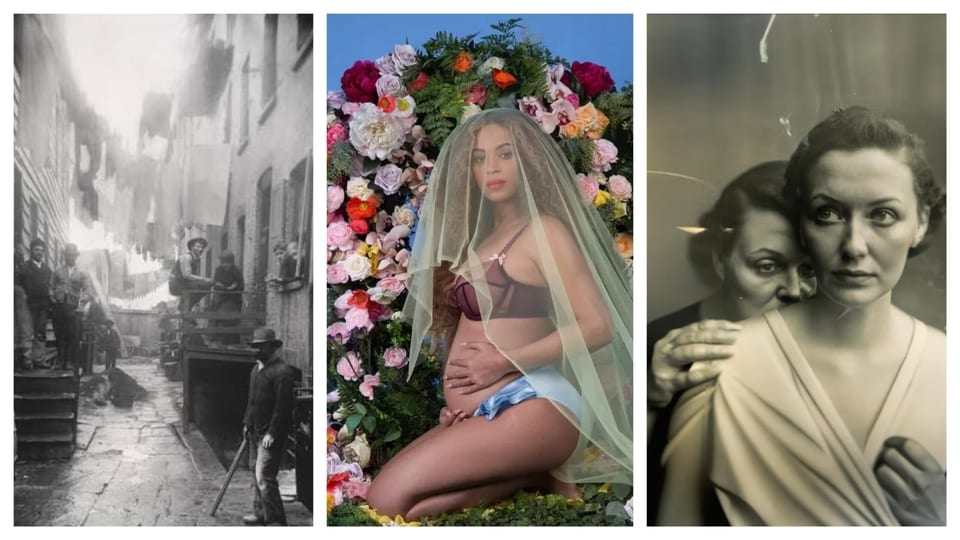
The evolution of photography, from Niepce's first photo to AI-generated images, highlights its role in documenting history, art, and social reform.
We have, for millennia, been attempting to record the moment. From glass plates to film and pixels, the journey to a world of #PicsOrItDidntHappen has been revolutionary. Take a tour.
Still life
In 1826, after years of experimentation, French landowner Nicephore Niepce took the world’s first recognisable photograph: a grainy outline of rooftops and the countryside surrounding his estate.
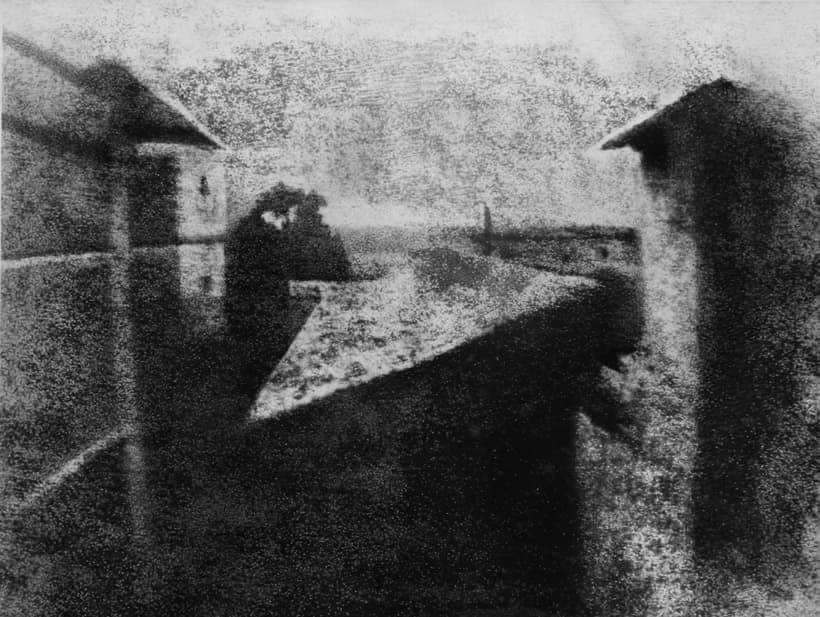
How did he do it? Well, he invented heliography. This was a method that used light to harden and darken the surface of metal plates that had been coated with asphalt, and then placed inside a box with a small hole and a lens.
As the light hit the plate, the surface darkened to form an image. The “unexposed” parts were then washed away with oil to reveal a scene crafted by light.
These images were captured over several hours, but were still very blurry.
A gift to the world
Just seven years after that first photo, Niepce died, following a stroke, in 1833.
He left his notes to Parisian painter Louis Daguerre, who refined his friend’s process until he had invented the daguerreotype, which used mercury vapour to render far more detailed images — in just 30 minutes.
His Boulevard du Temple (1838), taken on a seemingly deserted street in Paris, is considered the first photograph containing a human: a man pausing to have his shoes polished.
Most people moved in and out of these early landscapes too quickly to be captured. He stood still just long enough to be captured, entirely by accident.

Daguerre sold full rights to the daguerreotype and heliography to the French government in 1839, which released them to the public that year as France’s gift to the world.
Who, me?
That same year, across the Atlantic, a 30-year-old American photographer in the US stood motionless and gazed at a makeshift camera for 15 minutes.
Robert Cornelius had just taken the world’s first selfie.

Camera-less photography
By the 1840s, people were experimenting with cyanotypes: camera-less photographs that placed a subject on photosensitive paper coated with ferric compounds, and exposed the paper to sunlight.
The light turned the background blue, leaving white spots where the object had been.
Illustrator and botanist Anna Atkins used this method to create striking images of ferns and other plants. Her 1843 book, Photographs of British Algae: Cyanotype Impressions, was the first to be illustrated in this way.

Early witness
Once a camera could be trusted to preserve a moment, it began to serve as witness to history.
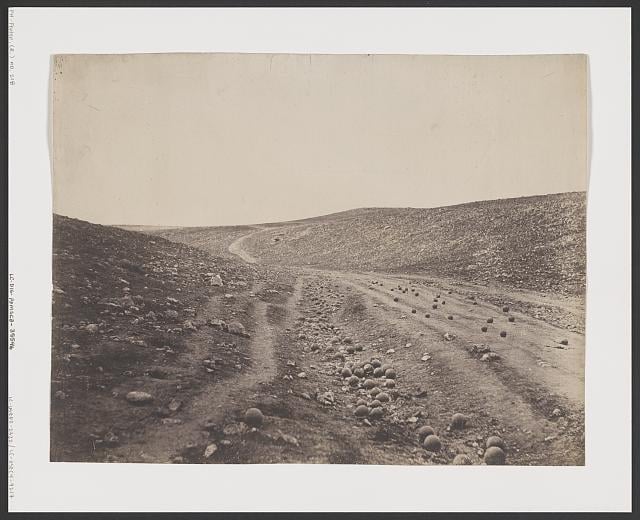
In the 1850s, Roger Fenton was commissioned by art dealership and prints publisher Thomas Agnew & Sons to document the Crimean War (1853-56; fought to keep Russia from expanding into the Ottoman empire).
He travelled in a horse-drawn van fitted with a darkroom. Long exposure times meant there was little live combat recorded. An 1855 image titled The Valley of the Shadow of Death, however, shows a ravine littered with cannonballs — and still has historians arguing about whether it was staged.
Settler of arguments
Does a galloping horse lift all four hooves off the ground simultaneously?
English photographer Eadweard Muybridge was trying to settle a wager with a racehorse owner, it is said, when he shot his famous sequence of brief-exposure photographs. This was in 1878.
He lined a racetrack with boxy stereoscopic cameras and proved that the horse does indeed lift all hooves off the ground.
Muybridge would later project those images at high speed, using a device he invented, to create an illusion of movement so powerful that it laid the groundwork for cinema.

Smile!
The world’s first point-and-shoot handheld camera went on sale in 1888. It required no skill or training to use.
The device was invented by American entrepreneur George Eastman. He called it the Kodak. It came with preloaded paper-gelatin film. Once the 100-image roll had been used, customers mailed the camera to the company, which developed the pictures, reloaded the film and mailed it all back.
A catalyst for change
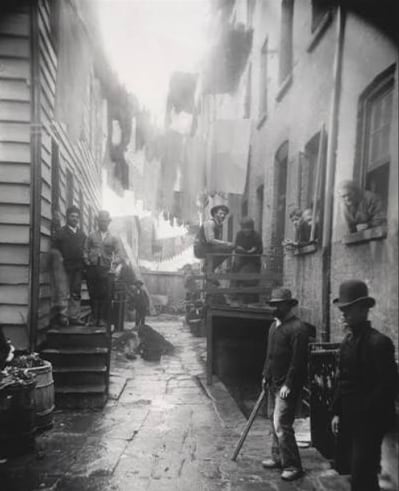
By the 1880s, photography was being used as a tool for social reform.
Images such as The Bandit’s Roost (1888) by Danish-American photojournalist Jacob Riis, exposed the harsh realities of poverty largely hidden from public view. He used newly invented magnesium flash powder to illuminate the dark slums of New York, with their dank stairwells and overcrowded tenements. The images made headlines and eventually contributed to the passage of new affordable-housing laws.
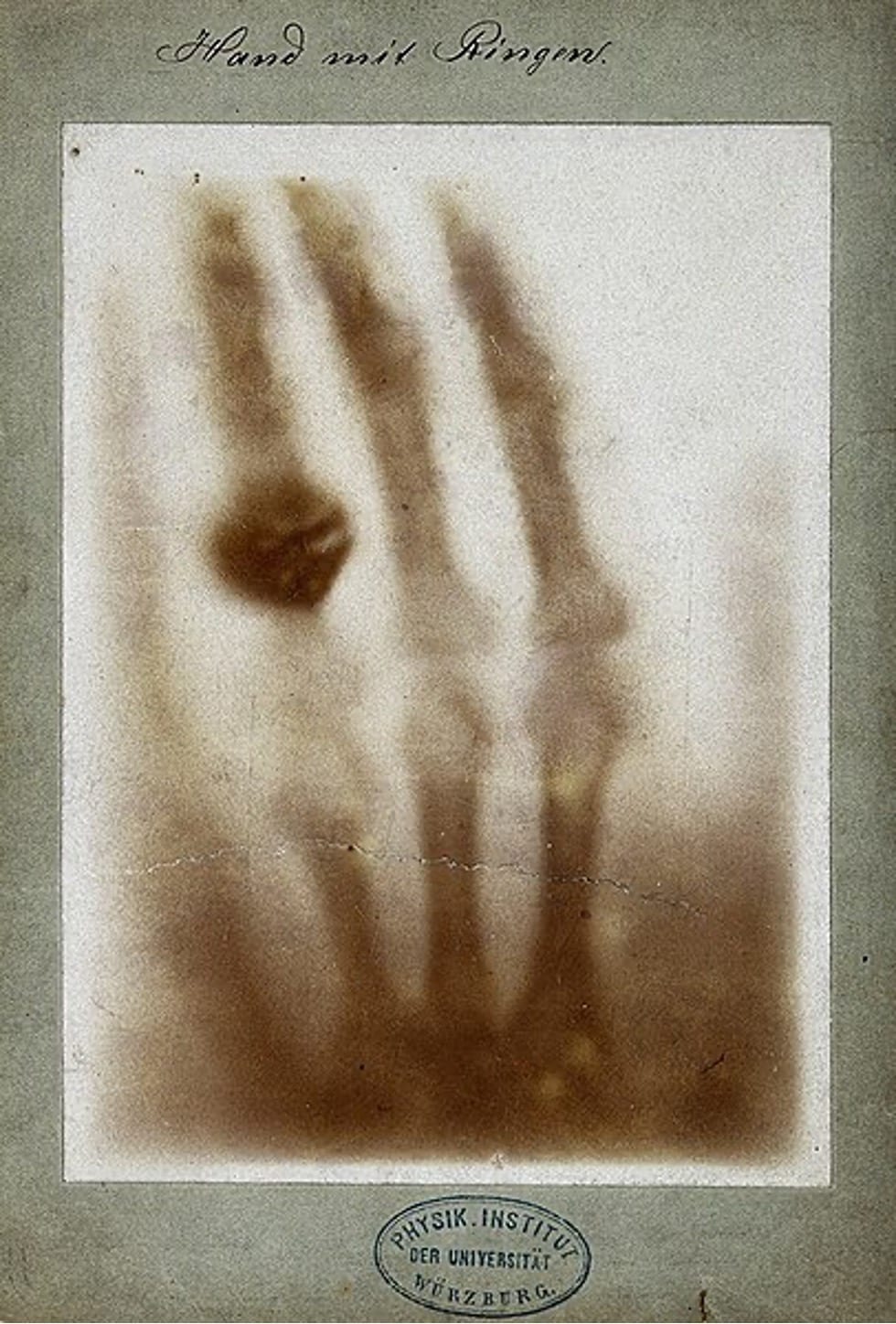
Photographs were advancing the cause of medicine.
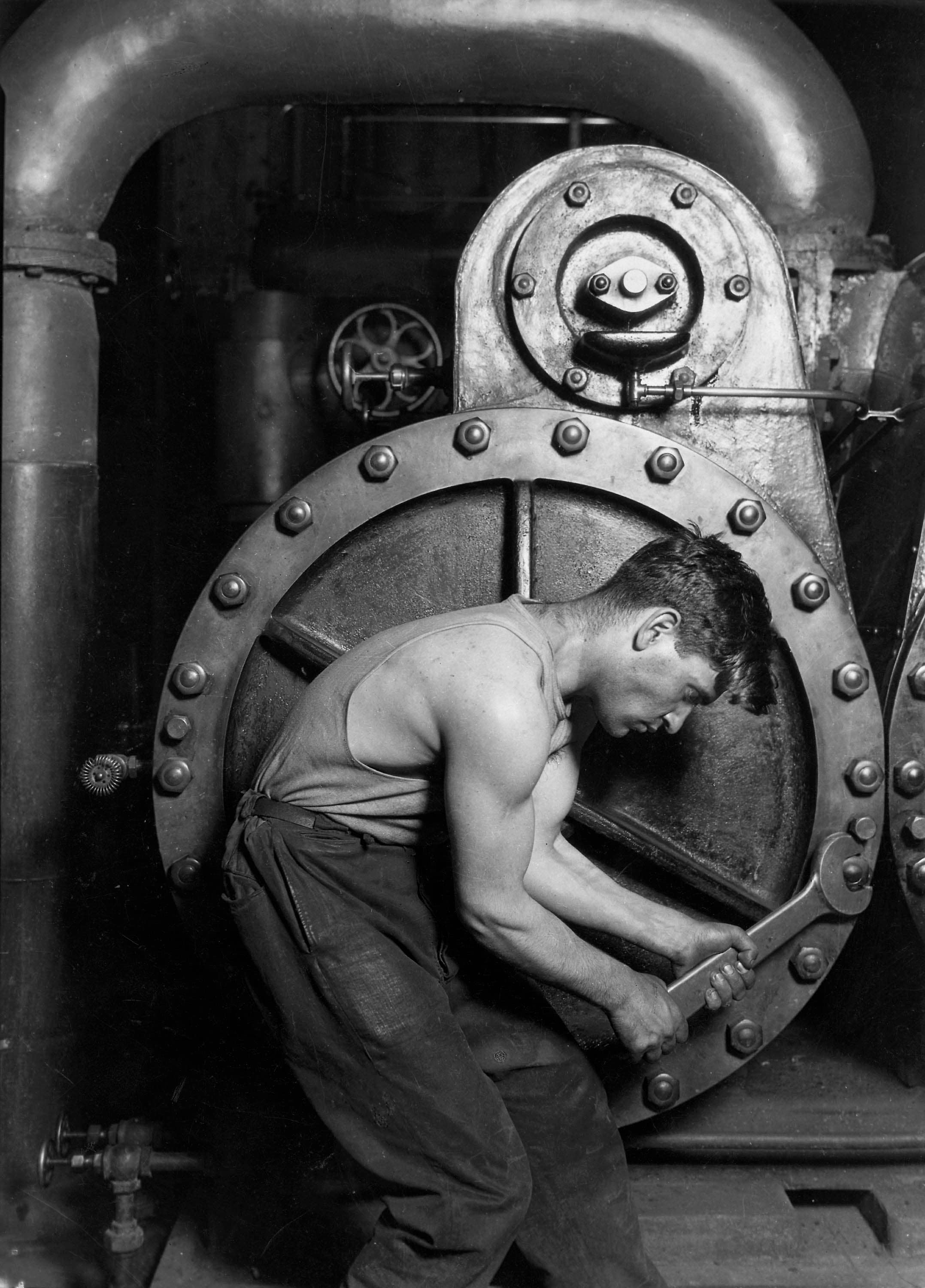
And they were advancing workers’ rights.
They were revolutionising fashion, fashion magazines, and giving rise to the idea of the photo-magazine.

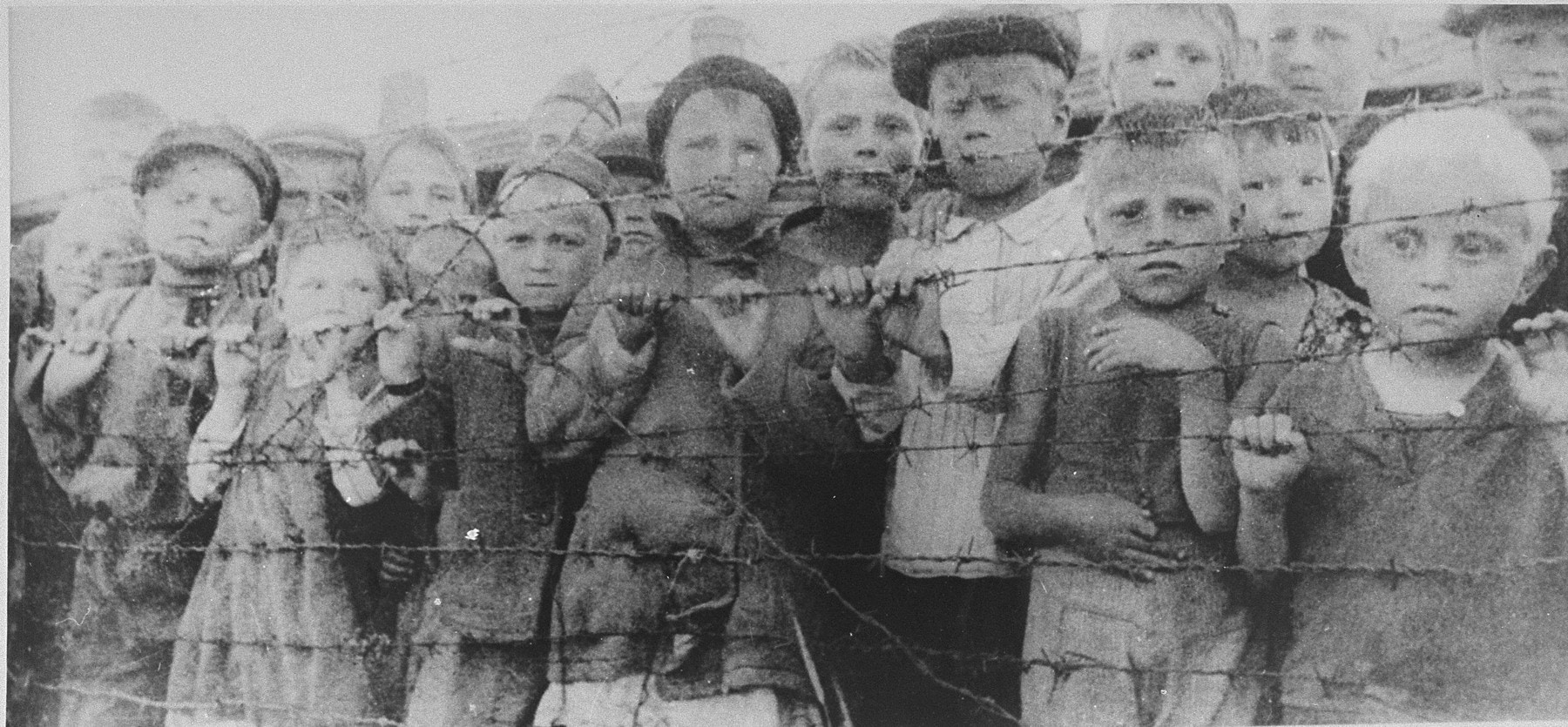
They were altering our views on war. And enabling a level of documentation that would endure — Holocaust deniers and conspiracy theorists will forever find it difficult to explain images like the one below.
Starry-eyed
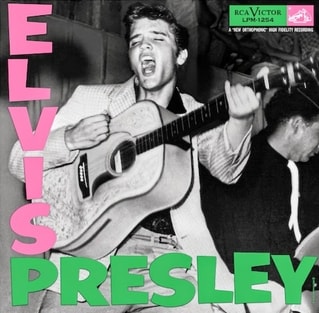
By the 1950s, the photograph was helping turn people into brands.
Elvis Presley’s publicity team, for instance, used carefully curated press photos (posters, magazine covers and still from TV appearances) to craft his image as a star, in 1956.
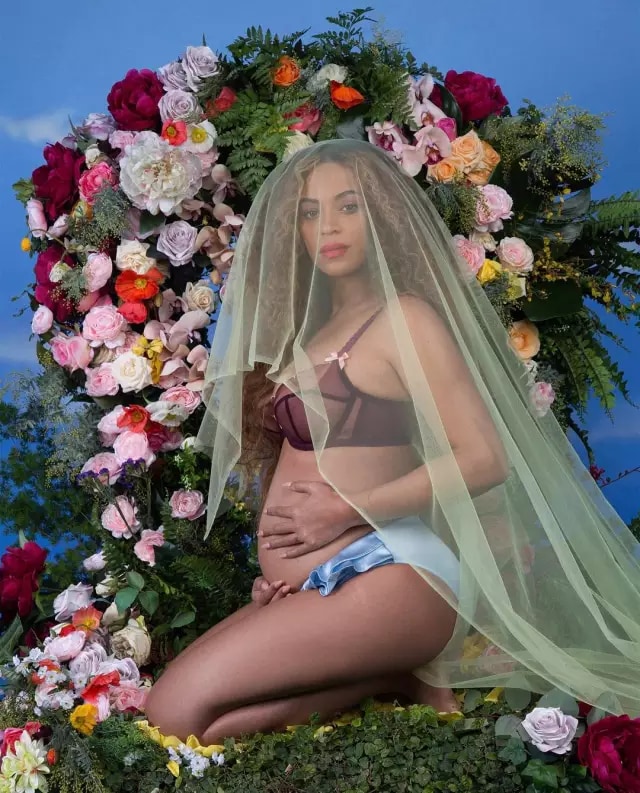
Six decades later, social media would hand the reins of such image-building to the star themselves. In 2017, Beyoncé announced her second pregnancy with a single, Renaissance art-inspired portrait posted directly to Instagram. It quickly became the most-liked photo on the platform.
A world in flux
Amid all this, plenty was changing. Cellphones emerged. They soon acquired cameras—but even before that, techie Philippe Kahn rigged a digital camera to a cell phone to instantly share his newborn daughter’s photo with family, making this the first photo ever taken on a phone.
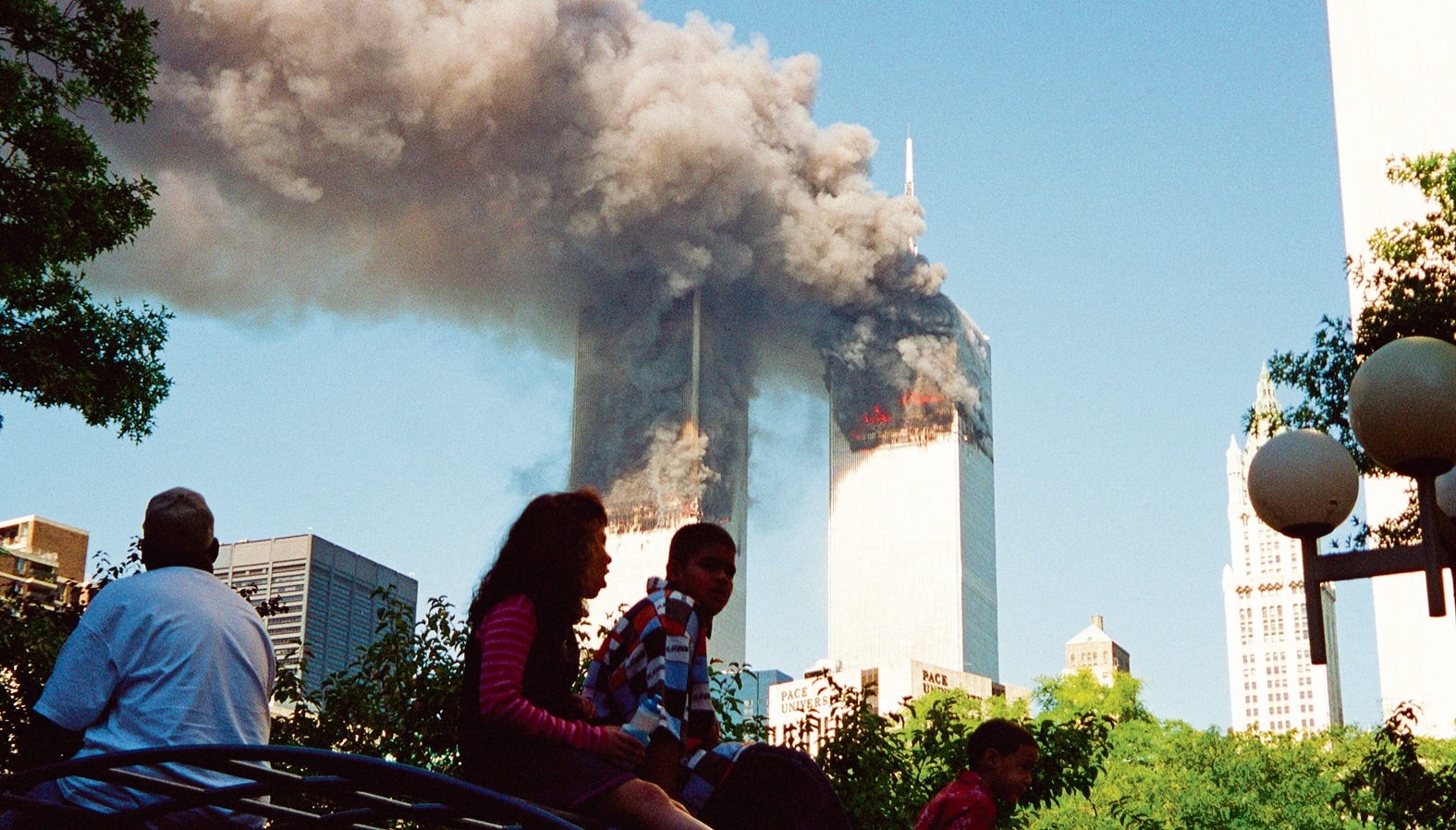
Photographs would immortalise the horror of the 9/11 attacks on the US. And the Indian Ocean tsunami.

You and yours
Then Instagram arrived, and changed everything.
Launched in 2010, its first-ever image, taken by co-founder Kevin Systrom, was a yellow-filter photograph of a dog near a taco cart in Mexico. It changed our ideas of what counted as documentation.
It let the world celebrate as one; made viral images a pop-culture phenomenon.

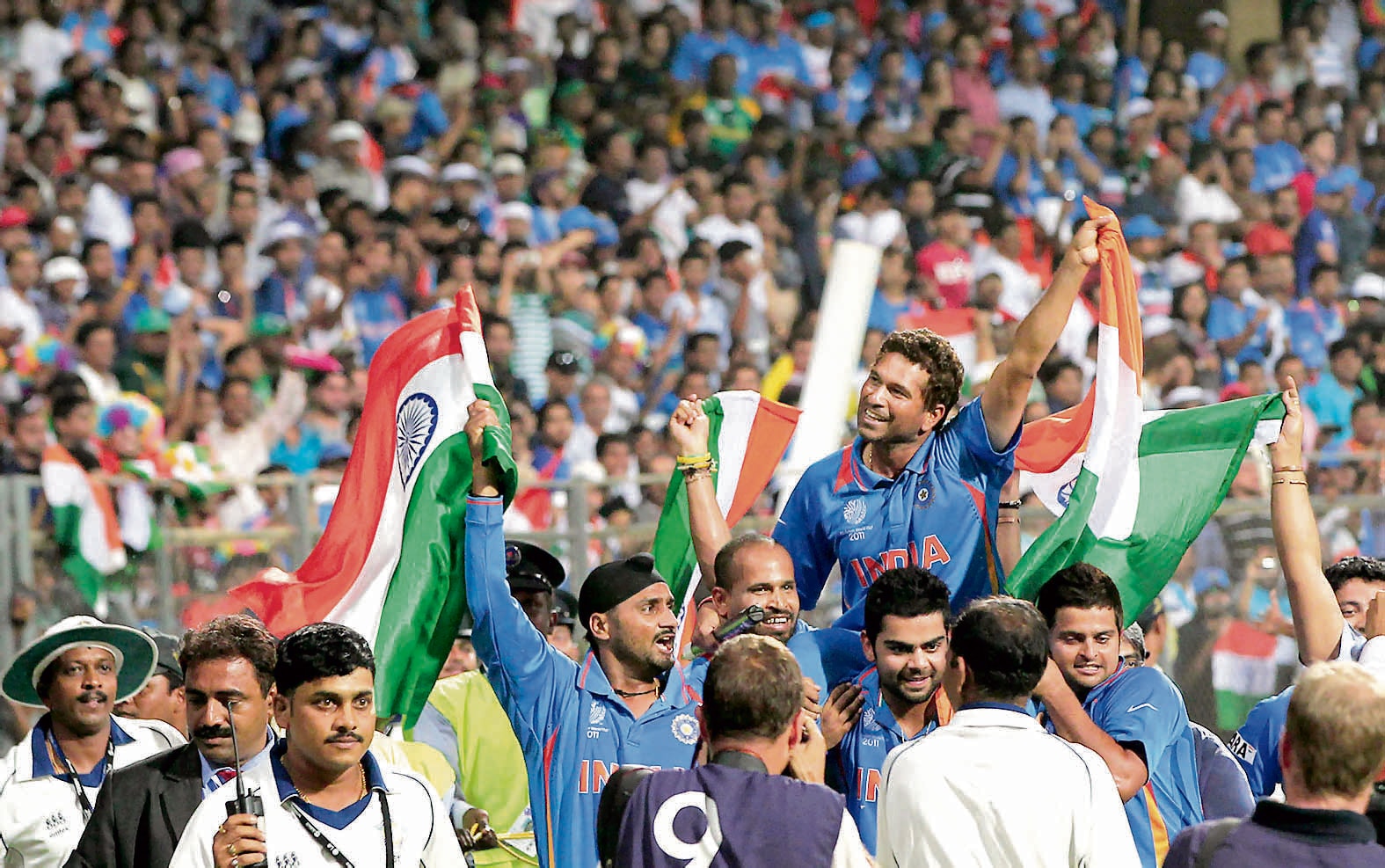
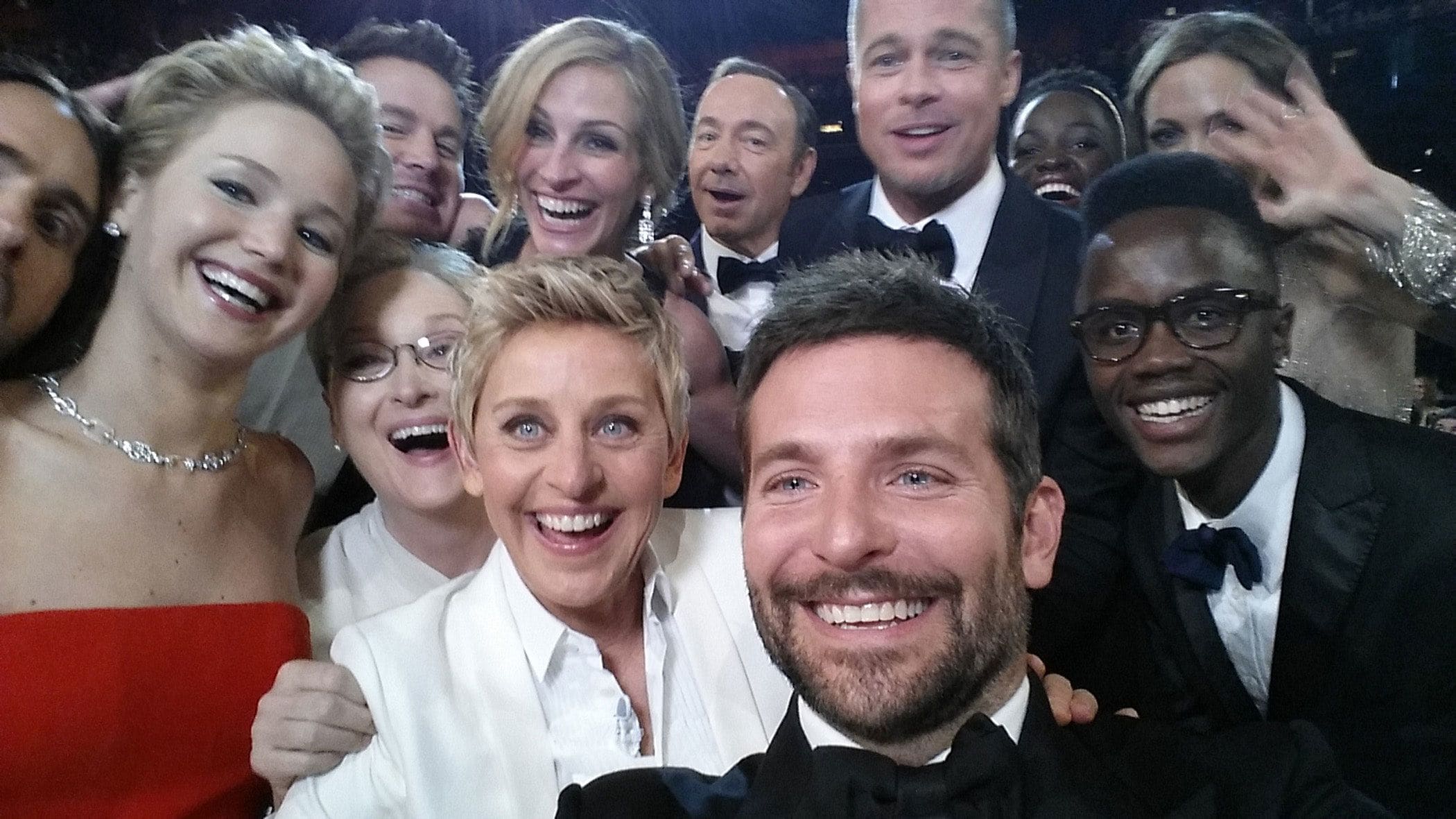

In this way, the lens has been present at some of humanity’s most seminal moments.
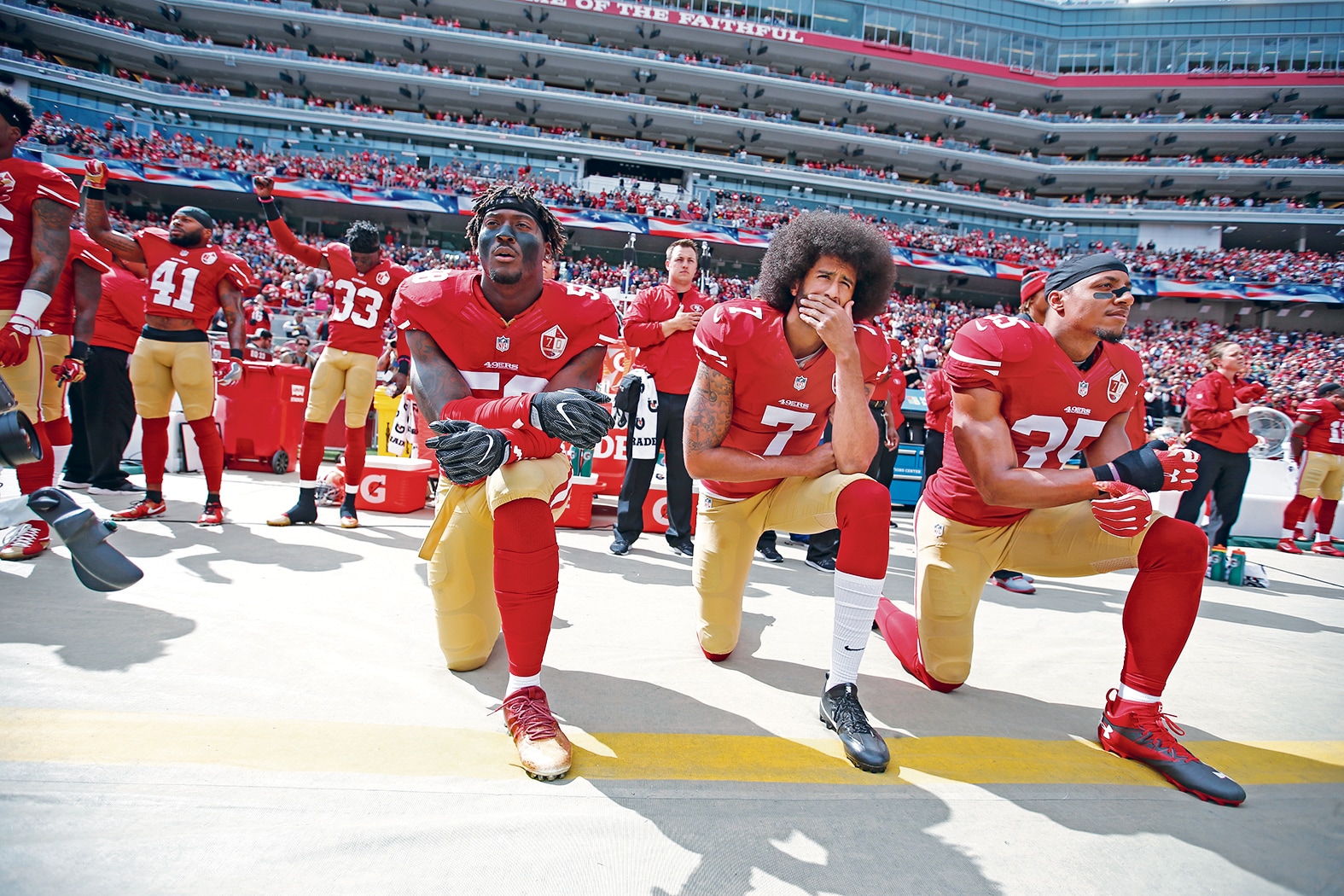
It has altered our view of our world, our bodies and our universe.
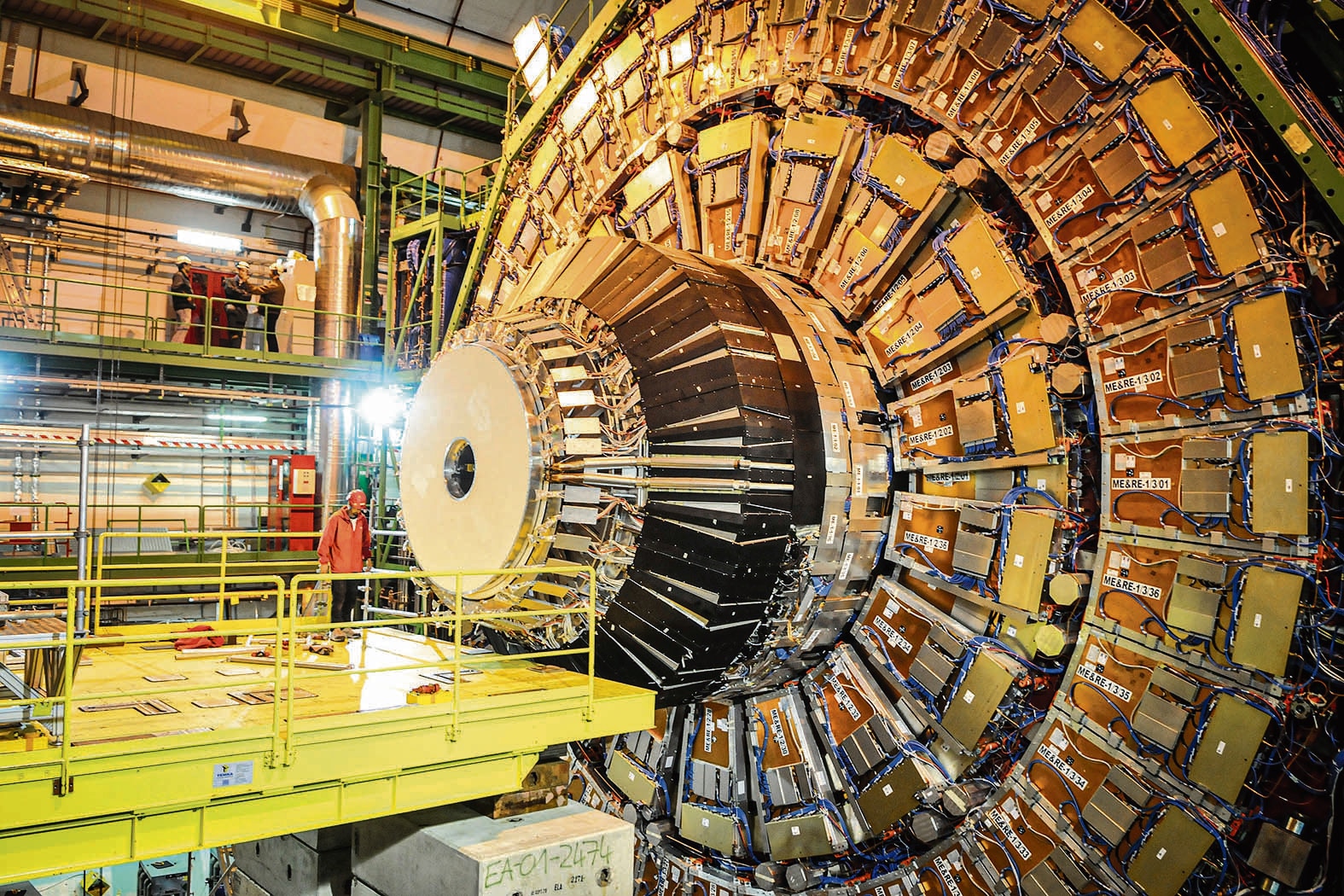
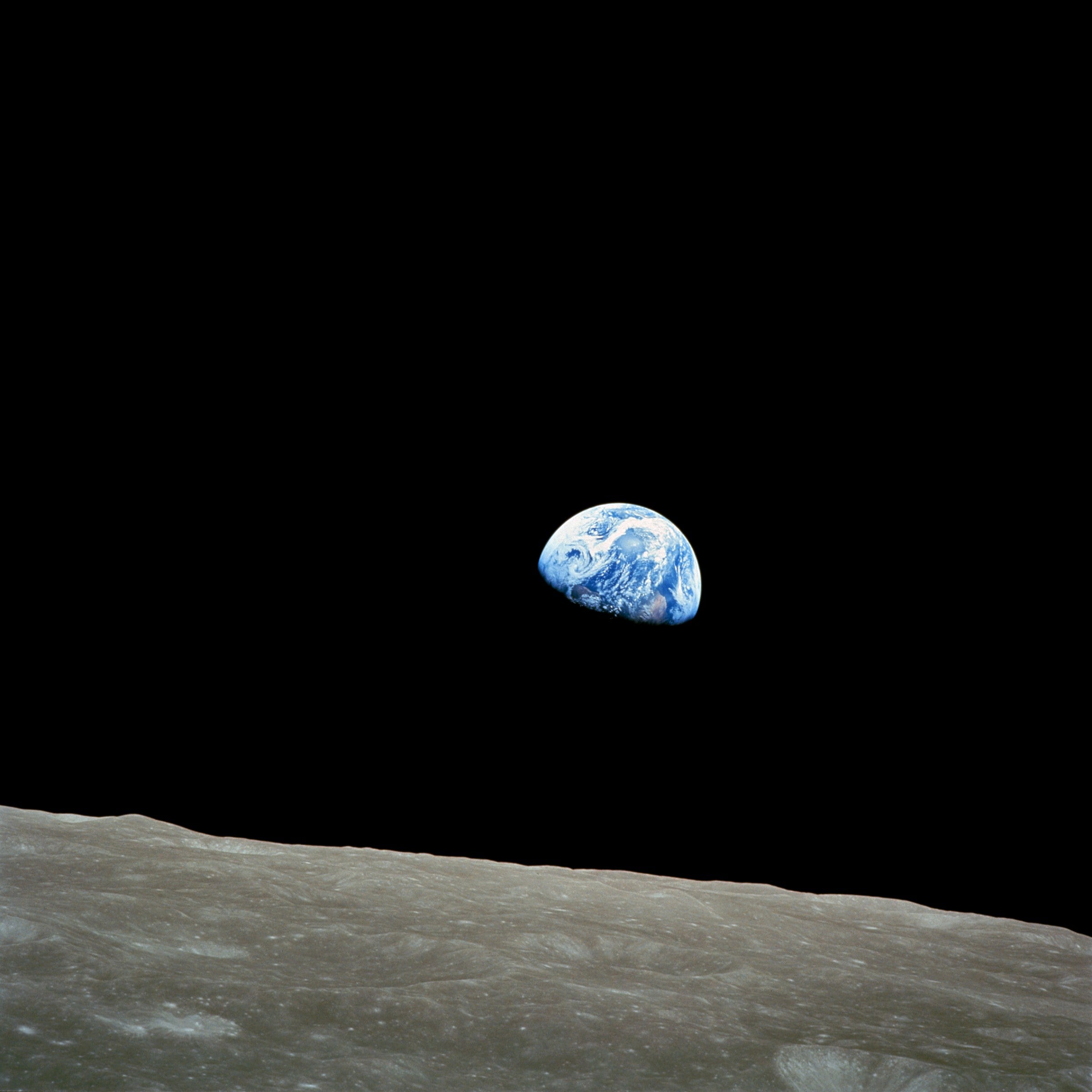


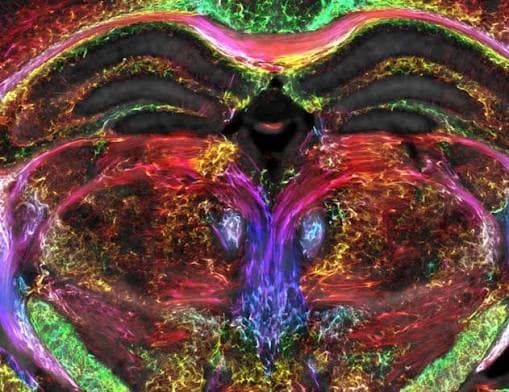
It has allowed us a front-row view of how the climate crisis is altering our world.

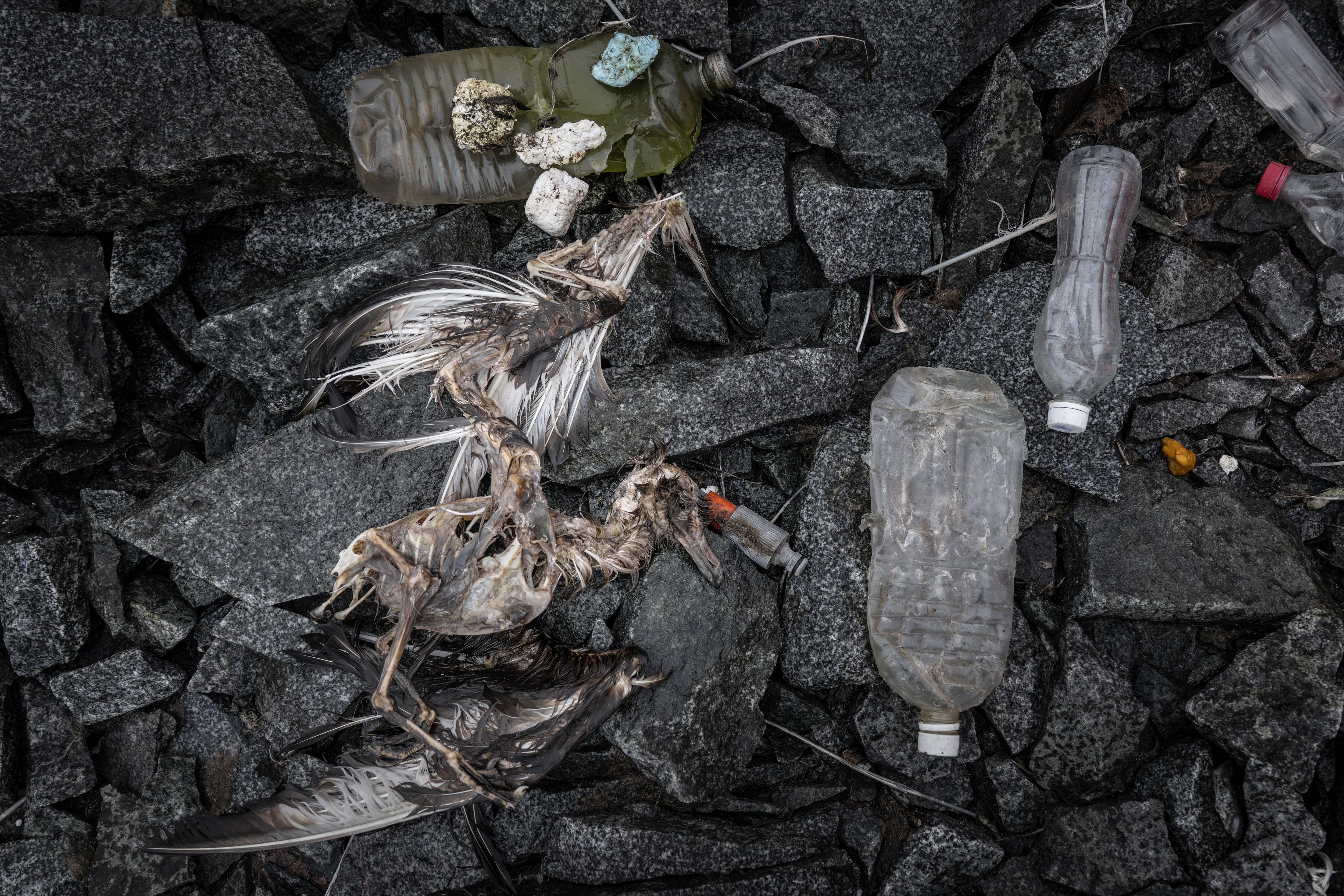
And it offers proof daily of just how elusive the trite goal of world peace is.

Uncanny valley
Meanwhile, in 2023, another first: An AI-generated image wins a photography prize.
German artist Boris Eldagsen says he created it hoping to spark conversation about the use of such tools. When it won a Sony world photo prize anyway, he declined to accept.
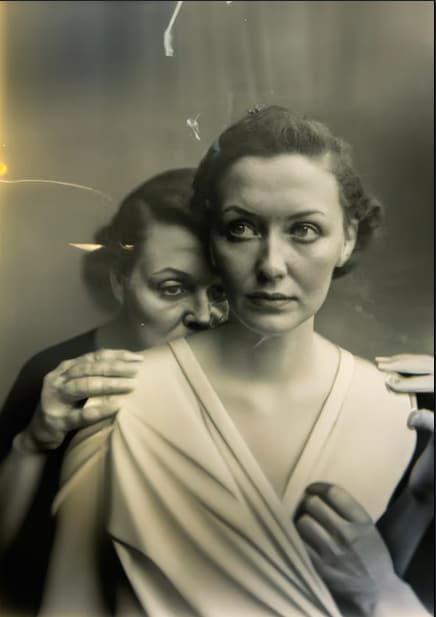
The women in the frame don’t exist. It wasn’t made using a camera.
The jury thought that was an interesting use of the medium. He argues it isn’t the same medium at all.