
 E-Paper



Tip of the day: WHO warns 'take antibiotics only as prescribed to avoid higher medical costs, prolonged hospital stays'

 Prefer HTon Google


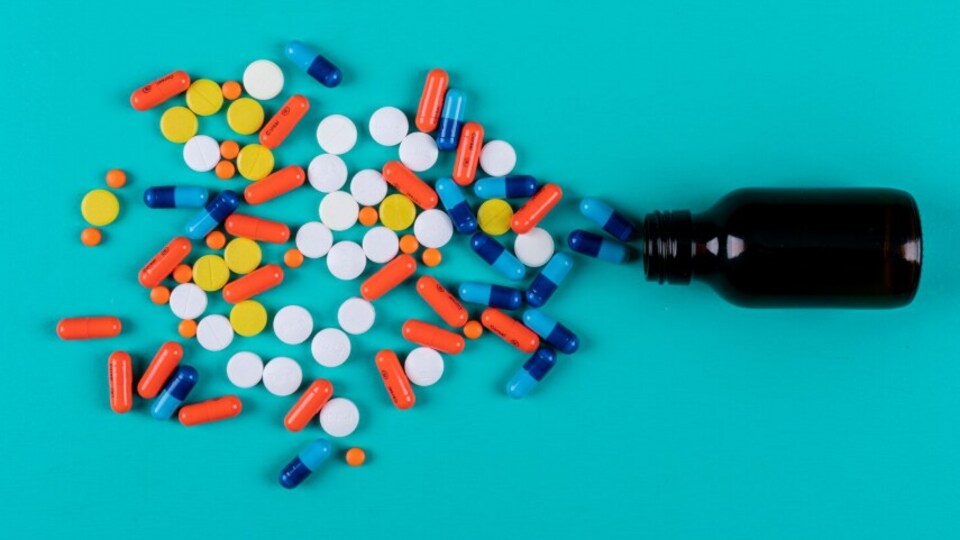
WHO said it is important to combat antimicrobial resistance 💊 as misuse and overuse are making antibiotics less effective, putting modern medicine at risk.
As we move through 2026, the medical community has a clear message that could determine the future of modern surgery and infection control: stop treating antibiotics like over-the-counter quick fixes. Following the World Health Organisation’s (WHO) '10 health tips for 2025' released in December 2024, the spotlight has remained firmly on the escalating crisis of antimicrobial resistance (AMR). The directive is simple yet vital: Take antibiotics only as prescribed. Also read | AIIMS gastroenterologist shares why you must have probiotics with fibre rich foods after antibiotics for gut health
A threat to modern medicine
According to the WHO, antibiotic resistance is no longer a 'future' problem — it is one of the most significant public health threats of our generation. When bacteria evolve to withstand the drugs designed to kill them, routine procedures like C-sections, joint replacements, and chemotherapy become life-threatening risks.
WHO said: "Antibiotic resistance is one of the biggest public health threats in our generation. When antibiotics lose their power, bacterial infections become harder to treat, leading to higher medical costs, prolonged hospital stays, and increased mortality. Antibiotics are losing their power because of misuse and overuse in humans and animals. Make sure you only take antibiotics if prescribed by a qualified health professional. And once prescribed, complete the treatment days as instructed. Never share antibiotics."
Dr Gagan N Jain, a consultant in internal medicine at Hemraj Jain Hospital, described AMR as a ‘silent pandemic’. Speaking on the global impact, Dr Jain told HT Lifestyle in an August 2025 interview that if current trends continue, drug-resistant diseases could claim 10 million lives annually by 2050, as projected by a landmark UN report.
Dr Jain explained: "This occurs when pathogens evolve to resist the drugs designed to kill them, making treatments ineffective. Misinformation and misunderstanding surrounding AMR are fueling the problem."
The evolution of resistance
A common misconception was that antibiotic resistance only affects those who 'overuse' the drugs. However, Dr Jain pointed out that the reality was much more interconnected. Even responsible use created selective pressure. Every time an antibiotic was introduced, it killed susceptible bacteria but might leave behind stronger, resistant strains that then multiply and spread through communities.
He also debunked dangerous 'medical folklore' that persists in many households, such as 'I can stop taking my pills once I feel better' or 'antibiotics are harmless'. Click here to know exactly what he said about these and other myths.
The collective responsibility
The WHO and the physician agree that tackling AMR requires more than just better doctor-patient conversations. It requires a global commitment to hygiene, access to clean water, and strict regulation of antibiotics in both human medicine and agriculture. Dr Jain said, "Antimicrobial resistance is a shared problem. Resistant bacteria can spread within communities and even globally, affecting even those who have never taken antibiotics."
The bottom line: only take antibiotics prescribed by a qualified professional, complete the full course, and never share your medication with others.
Note to readers: This article is for informational purposes only and not a substitute for professional medical advice. Always seek the advice of your doctor with any questions about a medical condition.


Catch your daily dose of Fashion, Taylor Swift, Health, Festivals, Travel, Relationship, Recipe and all the other Latest Lifestyle News on Hindustan Times Website and APPs.


