
 E-Paper



What does addiction do to the brain? Counselling psychologist Sarah Hatwalne shares 6 recovery tips that help in healing
Addiction alters brain function, but with recovery strategies like therapy, mindfulness, and support, healing is possible. Effective recovery tips here.

 Prefer HTon Google


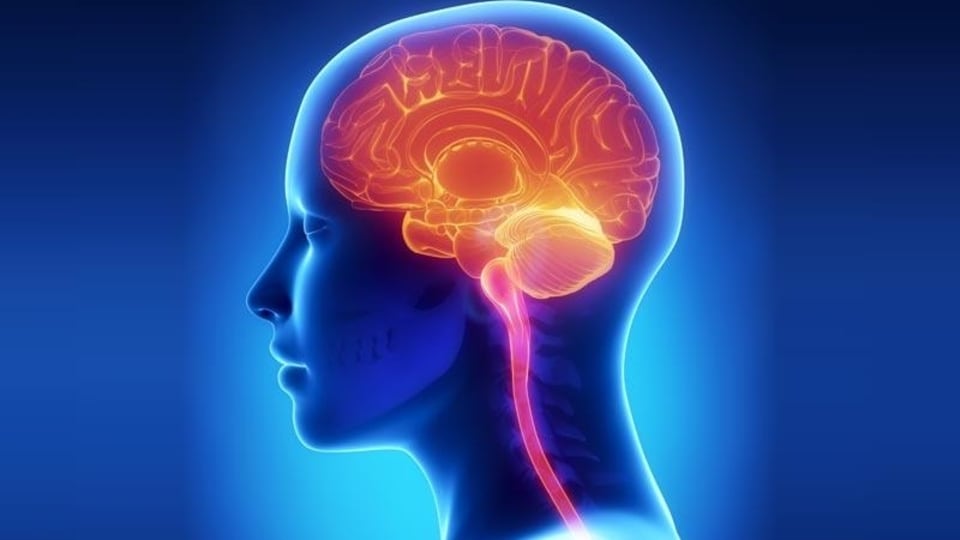
Many people mistakenly think that overcoming addiction only requires willpower. If someone wants to stop using alcohol or drugs, the thinking goes, they should be able to do so. Neuroscience tells us a different story. Repeated use of alcohol or drugs can alter the brain’s reward pathways, affecting the way it processes motivation, pleasure, and emotional regulation.

What are some effective recovery skills for people with addiction?
Over time, experiences that once generated a natural sense of reward may feel less satisfying, while cravings and compulsive behaviors can become increasingly difficult to manage. “This is why early recovery can be challenging,” Counselling Psychologist Sarah Hatwalne, Veda Rehabilitation & Wellness, Mumbai, tells Health Shots. It is not necessarily a reflection of a person’s determination or character. The brain has adapted to repeated substance use, and recovery involves allowing it to restore healthier patterns of functioning gradually.
Every healthy behavior can support that process:
- This ability is known as neuroplasticity: The brain’s capacity to adapt, reorganize, and form new neural connections throughout life. It is one reason recovery is possible and why the habits and environments surrounding a person during recovery matter so much.
- Sleep, for instance, plays an important role in cognitive and emotional functioning: Establishing consistent, restorative sleep can support the brain and help regulate mood and energy during recovery.
- Physical activity can also support emotional well-being: Regular movement is associated with changes in brain chemistry that can positively influence mood, stress, and overall psychological health.
- Mindfulness can help strengthen emotional awareness and regulation: Learning to recognize thoughts, emotions, and cravings without immediately acting on them can give individuals greater space to respond differently.
- Therapy is another important part of recovery: Evidence-based therapeutic approaches can help individuals recognize unhealthy thought and behavior patterns, develop coping mechanisms, and build strategies for managing triggers and difficult emotions.
- And then there is connection: Meaningful relationships and supportive communities can provide accountability. These belonging and emotional support factors can become especially important when someone is rebuilding their life in recovery.
This is why recovery should not be viewed simply as the absence of substance use. It is also about rebuilding the systems, habits, and relationships that allow the brain and the individual to function more healthily.
Why do people with a substance use disorder ignore you?
Recovery can be an opportunity to develop a stronger understanding of yourself, build healthier patterns, and create a life that supports long-term well-being. It requires both scientific understanding and compassionate, individualized care.
“Evidence-based therapeutic interventions, combined with practices that support physical, emotional, and psychological well-being, can help individuals navigate the recovery journey more sustainably,” says the expert.
Addiction changes the brain, but change is not irreversible. The same brain that adapts to repeated substance use can also adapt in healthier directions. Understanding is not just a lesson in neuroscience; it is a message of hope. Recovery is possible because the brain can heal, learn, and change.
(Disclaimer: This article is for informational purposes only and is not a substitute for professional medical advice. Always seek the advice of your doctor with any questions about a medical condition.)

Catch your daily dose of Fashion, Taylor Swift, Health, Festivals, Travel, Relationship, Recipe and all the other Latest Lifestyle News on Hindustan Times Website and APPs.


