
 E-Paper



‘Skin purging’ or breakouts? Experts share how to identify when a new skincare product is actually irritating your skin

 Prefer HTon Google


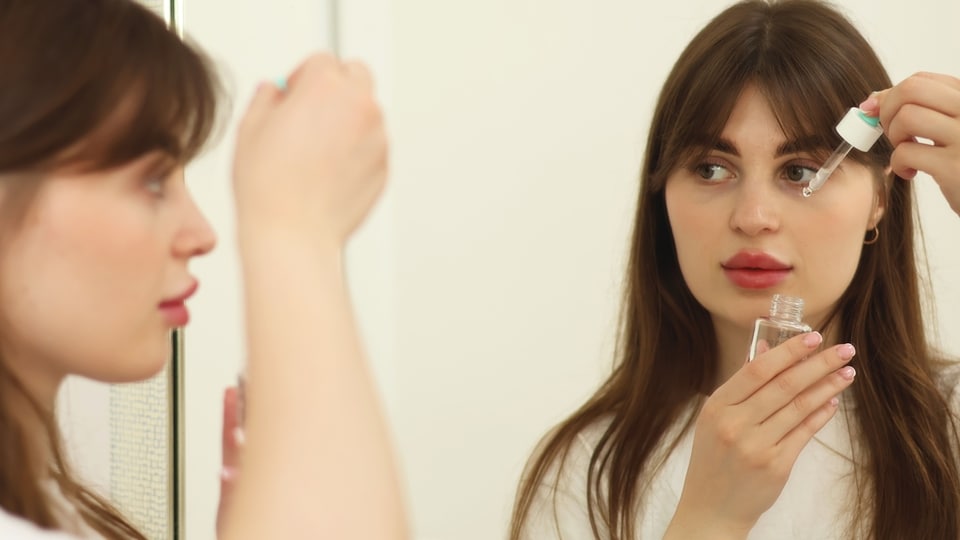
Breakouts after starting a new skincare routine may indicate that your skin is adjusting to the new product or rejecting it. Here's how to tell the difference.
You start a new retinol, exfoliating acid or acne treatment expecting clearer, smoother skin. Instead, a few days or weeks later, tiny bumps, pimples, redness or dry patches begin appearing. The internet may quickly label it “skin purging” and tell you to keep going. But not every reaction to a new skincare product is purging – and sometimes what looks like a temporary adjustment is actually irritation.
In a conversation with HT Lifestyle, Dr Akriti Gupta – the founder and chief dermatologist at Jivisha Clinics, New Delhi – explains, “Skin purging is a term that is commonly used when acne seems to worsen after starting certain active ingredients. However, people should not use the word as a reason to ignore persistent redness, burning or discomfort.”
She highlights that the confusion is partly because the skin can react differently to different ingredients. Products containing retinoids and exfoliating acids can cause dryness, peeling, redness and irritation, particularly when introduced too quickly or used too frequently. Retinoids remain an important acne treatment, but irritation is a recognised side effect.
What does “skin purging” mean?
According to the dermatologist, “purging” is not a formal medical diagnosis. It is generally used to describe a temporary increase in acne-like lesions after beginning products that affect skin-cell turnover, particularly retinoids or exfoliating ingredients.
The theory is that some existing clogged pores may become visible sooner as treatment changes the way skin cells are shed. However, there is limited scientific evidence establishing exactly how often true purging occurs or how long it should last. Research reviewing topical retinoids has also not found strong evidence that they routinely cause an actual worsening of acne when treatment begins.
How to identify the problem?
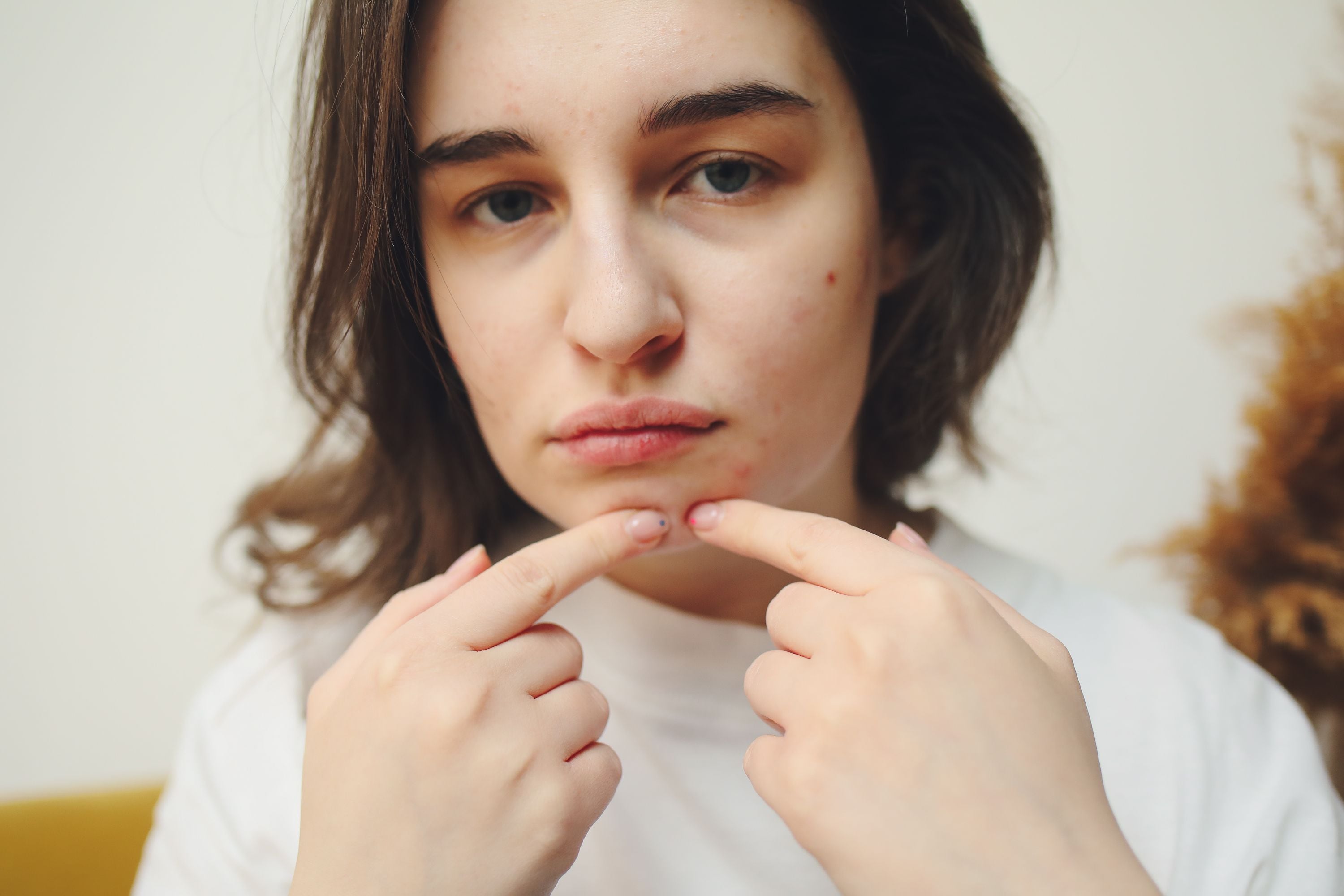
Location can offer one clue, although it is not enough to diagnose the problem on its own. If small acne-like bumps appear in areas where you usually experience acne soon after starting an acne treatment, it may be part of the early treatment period.
A reaction that spreads to areas where you normally do not break out, particularly when accompanied by significant itching, burning, redness, scaling or swelling, is more suggestive of irritation or sensitivity.
In a conversation with HT Lifestyle, Dr Karuna Malhotra – the founder, cosmetologist and aesthetic physician at Advanced Skin Clinic in Rajouri Garden, New Delhi – explains, “Your skin is giving you information. If a product causes persistent burning, marked redness, cracking or significant discomfort, don't assume that you simply need to push through it. The skin barrier may be struggling with the product or the way it is being used.”
The biggest mistake? Adding more products
When people see new bumps, they often respond by adding another serum, scrub, exfoliant or spot treatment. This can further irritate the skin and make it harder to determine which product caused the reaction.
Instead, the dermatologists recommend simplifying the routine. Use a gentle cleanser, a suitable moisturiser and sunscreen, while introducing active ingredients gradually. Dermatologists may also recommend reducing the frequency or amount of a retinoid when irritation occurs, depending on the individual skin and treatment plan.
When should you stop?
Severe or persistent burning, swelling, blistering, cracking, intense itching, a widespread rash or significant worsening should not simply be dismissed as “purging.” A suspected allergic reaction requires particular attention. It is also worth seeking professional advice when acne continues to worsen despite adjusting the routine, becomes painful or leaves marks and scars.
“Skincare should be introduced with patience, not panic. You don't have to abandon every active at the first small bump, but you also shouldn't tolerate significant irritation in the belief that suffering means the product is working,” emphasises Dr Gupta.
The simplest rule is to look beyond the label of “purging”. What ingredient did you start with, where are the changes appearing, what does your skin feel like, and is the reaction settling or getting worse? Those clues are far more useful than blindly following an online skincare trend.
Dr Malhotra concludes, “The goal of skincare is not to make the skin constantly adjust to new products, but to keep it healthy and balanced. If redness, burning or persistent breakouts continue, it is better to reassess the routine rather than assume that the skin is simply purging.”
Note to readers: This article is for informational purposes only and not a substitute for professional medical advice. Always seek the advice of your doctor with any questions about a medical condition.


Catch your daily dose of Fashion, Taylor Swift, Health, Festivals, Travel, Relationship, Recipe and all the other Latest Lifestyle News on Hindustan Times Website and APPs.


