
 E-Paper



Why childhood vaccines matter: Paediatrician raises concern on the alarming decline in global vaccine coverage
Why are timely childhood vaccinations crucial? Learn five essential reasons from a paediatrician to protect your child and community from preventable diseases.

 Prefer HTon Google


Most parents in India follow the vaccination schedule because it's part of growing up. But beyond that routine lies a worrying trend. Global childhood immunisation, which once saw steady progress, is now slowing, and millions of children remain vulnerable to diseases we thought were under control. According to a 2025 update by the WHO and Unicef, 14.3 million infants worldwide received no vaccines at all last year, while another 20 million missed at least one critical dose of the DTP vaccine, which protects against diphtheria, tetanus, and pertussis.
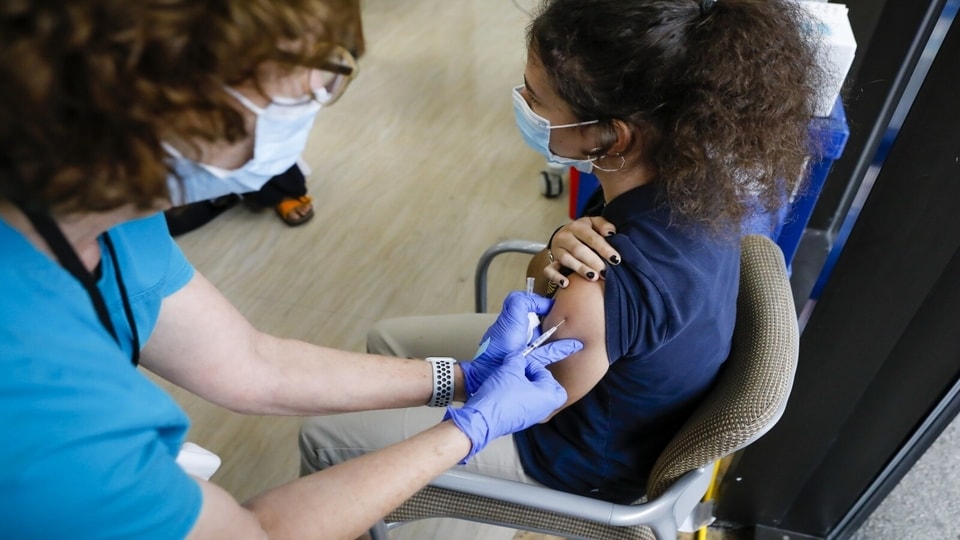

In clinical practice, this is more than data—it’s visible in children who arrive with infections that could have been avoided, and in communities dealing with outbreaks that spread simply because protection levels dropped.
Dr Vignatha Sajja, Consultant Paediatrician, Arete Hospitals, shares with Health Shots, five essential reasons why timely childhood vaccination matter more than ever:
1. Protection when the body is still learning
The first five years of life are biologically fragile. A young child’s immune system is still developing and doesn’t yet know how to fight many infections. That’s where vaccines step in—offering essential protection before natural defences mature. Diseases like measles, diphtheria, and polio don’t give you time to prepare. They strike quickly, and in unvaccinated children, can cause complications that leave lasting damage, or worse. Global immunisation programs, such as the Expanded Programme on Immunisation (EPI), have prevented over 150 million child deaths since 1974. The numbers speak for themselves.
2. Building a safety net for all
Vaccines work best when most people get them. When a large part of the population—about 95%—is immunised, it creates a buffer that protects even those who aren’t vaccinated, such as newborns or children undergoing medical treatments. When enough children in a community are vaccinated, it creates a protective barrier that slows the spread of disease,even to those who aren’t immunised. Herd immunity is effective only when a sufficient number of children are vaccinated. But measles shots have been slipping through the cracks. In 2024, only 84% of children worldwide received protection, far short of the mark needed to prevent outbreaks. As a result, measles made a comeback in over 60 countries, even in places where it hadn’t shown up in years.
3. Reducing health inequity
Children who miss vaccines aren’t always in far-off regions. Even in India, access to routine immunisation depends heavily on geography and infrastructure. Children in urban slums, tribal belts, or conflict-affected areas often fall through the cracks. That’s why national efforts like Mission Indradhanush were launched—to reach the last-mile child in India. When parents everywhere ensure their children are vaccinated, it not only protects their homes but also helps reduce the health gap between rural and urban India.
4. Avoiding preventable costs
Beyond health, the cost of vaccine-preventable diseases can be high—hospital bills, lost workdays, and slow recoveries take their toll. In the US, regular childhood vaccines are estimated to have saved over $2.7 trillion in societal costs. The figures may differ in India, but the message is clear: stopping disease before it starts is always the wiser investment.
5. Fighting misinformation with awareness
The internet is full of misleading claims—some sounding all too credible. Worries about vaccine safety, doubts over their need, or fear of side effects can cause parents to delay or miss doses. However, even brief delays can allow disease to take hold. Vaccines undergo years of rigorous testing and are supported by real-world evidence. Today, the greater risk isn’t from the vaccine—it’s from the disease waiting on the other side of hesitation.
What can parents do?
- Stick to the national immunisation schedule. Delays reduce effectiveness and increase risk.
- Maintain a vaccination card or record. This helps track doses and is often required during emergencies or travel.
- Speak to your paediatrician. Whether you have doubts or missed a shot, an honest conversation helps.
- Check requirements if relocating. Different regions may carry different disease risks—stay informed.
Vaccination is one of the simplest, most powerful ways to secure your child’s health. It’s not just about disease prevention—it’s about giving children the freedom to grow, play, and learn without fear.

Catch your daily dose of Fashion, Taylor Swift, Health, Festivals, Travel, Relationship, Recipe and all the other Latest Lifestyle News on Hindustan Times Website and APPs.


