
 E-Paper



'You are not marrying a maid’: What the Supreme Court said, and why it matters for modern marriages

 Prefer HTon Google



In a recent matrimonial case, the Supreme Court’s judgment on shared household chores sparked a debate on redefining marital responsibilities.
In a recent matrimonial case of a husband seeking divorce on grounds of cruelty, the Supreme Court of India’s remarks on sharing household chores bring a key issue into focus. The landmark judgment has sent ripples through Indian households, challenging entrenched patriarchal expectations within marriage. While hearing the case, the court categorically ruled out that a wife’s refusal to perform household chores, specifically cooking, does not constitute ‘cruelty’ and cannot be considered a valid ground for divorce.
Also read | Can marriage make you happy? Study says it's not offering anything ‘extra’
What was the case?
As reported by Live Law, a couple married in 2017 appeared in court after the husband filed for divorce on grounds of ‘cruelty’, alleging that his wife did not cook at home. The husband works as a government school teacher while the wife is a lecturer. They also share an eight-year-old son. During the hearing, it was mentioned that the wife is financially independent and has not asked for any alimony or maintenance. The mediation attempts had previously failed to resolve the dispute, and thus the case finally went to the Supreme Court of India.

What did the court say?
Hearing the plea of the husband, the bench of Justice Sandeep Mehta and Justice Vikram Nath clearly stated that doing household chores is not solely a wife’s responsibility and failing to do so does not account on cruelty. The Supreme Court denies the plea, stating that "You’re not marrying a maid, you’re marrying a life partner.” The household chores are shared responsibility and the husband should be equally invested in them.
The Supreme Court also emphasised that marriage is a partnership and is built on mutual respect and companionship. It’s not a master-servant dynamic, and your wife is not solely responsible for taking care of the entire household chores on her own.

The “Maid or Partner?” Debate
This landmark judgment has sparked conversations across Indian homes, confronting long-standing patriarchal expectations within marriage. The court’s remark - ‘You’re not marrying a maid,’ challenged the deep-rooted Indian cultural setting where women are viewed as domestic labour for ages. Viewing marriage as a transaction, where the husband provides, and the wife performs household labour, strips away the essence of genuine partnership. The Supreme Court’s decision to separate domestic work from marital obligations has sparked a rethink of traditional marital roles in India.
In an interview with HT Lifestyle, Dr Aditi Govitrikar, an actor, supermodel, and wellness expert, quoted “You’re not marrying a maid” is brilliant, searing, Supreme Court-worthy truth-speaking. As cruelly sexist institutions go, marriage isn’t especially awful these days. But there are often invisible expectations lingering in many homes that housewives will cook, clean, launder, parent, nurture grown children emotionally, and soothe hurt feelings.”
“The Court basically agreed with Indian women everywhere who have been screaming from the rooftops that marrying someone does not mean they’re your servant. Domestic duties are not “your wife’s job” because you both live there. It’s everyone’s job because you both signed up for it,” added Dr Aditi.
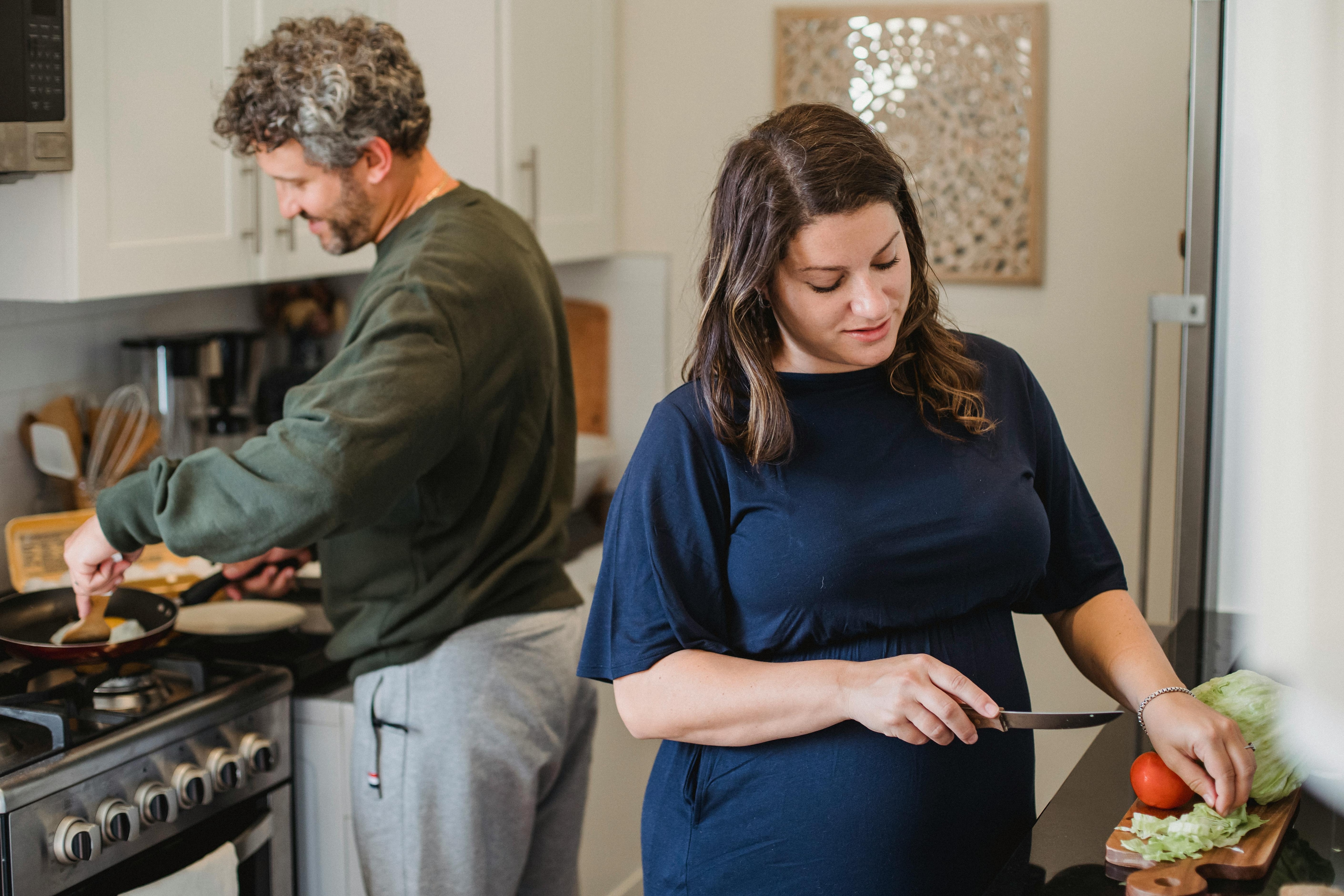
What defines a partner in marriage today?
It is 2026, and high time societal and marital dynamics should be changed. Considering the same, Justice Vikram Nath stated that domestic duties like cooking and household chores are responsibilities that must be shared in modern times.
Marriage is about partnership where both partners are equally responsible to take care of the elders, kids and share household chores. A mutual understanding between the couple where both work as a team can easily set a fair dynamic for everything.
Dr Aditi Govitrikar highlighted, “Marriage now is a partnership. If one person is shouldering the silent expectations of cooking dinner every night, washing the dishes, being the emotional caregiver, and attending to everyone else’s feelings before their own, things become unequal. Unbalanced. Funky. That’s resentment and exhaustion.”

According to Dr Aditi, good marriages these days require intentionality. They require talking about expectations. They require splitting the chores and knowing when to shut up and respect your partner’s space and opinions, as you would want them to respect yours. They require equality in the home because it’s a basic human (and psychological) need to be treated with dignity—and when you have that, love can flourish.
Public opinion
Speaking to HT Lifestyle, a 28-year-old corporate woman professional said, “Whether a woman is working or not, as a couple, you should share responsibilities. Sharing your wife’s load will strengthen your relationship and set the right standards for your kids as well.”
Another 50-year-old school teacher said, “If both are working, they have to manage their house together without having unrealistic expectations from each other. In fact, each family member has to take the responsibility of household chores and not solely depend on the women of the family.”


Catch your daily dose of Fashion, Taylor Swift, Health, Festivals, Travel, Relationship, Recipe and all the other Latest Lifestyle News on Hindustan Times Website and APPs.


