
 E-Paper



What is somatic movement? Why slow, mindful exercise is gaining attention among spiritual seekers

 Prefer HTon Google


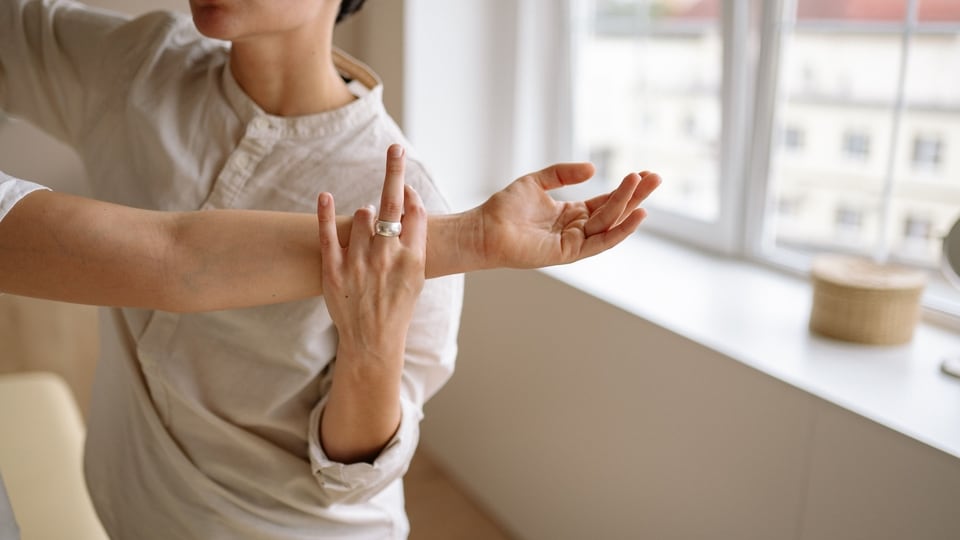
This article will unveil how somantic movement may go beyond exercise according to Harvard Health.
What if your workout was not about burning more calories, stretching further or pushing yourself harder?
Instead, imagine moving slowly and paying attention to how your body feels with every small movement. That is the idea behind somatic movement, a practice gaining attention as people look for gentler ways to connect with their bodies.
Harvard Health has recently shared an article about the growing interest in somatic workouts in January 2026, describing the practice as movement that asks you to notice your body's internal sensations and responses. It also points to yoga, tai chi and Pilates as practices that can include somatic elements.
For spiritual seekers, the appeal may go beyond exercise. The practice can turn an ordinary movement into a moment of awareness.
Also Read What are somatic exercises? Why body awareness is becoming part of modern spirituality
What are somatic movements?
Somatic movement asks you to slow down and notice what is happening in your body as you move.
You might pay attention to your breathing, the feeling of your feet on the ground or the way your shoulders move. Instead of worrying about whether you are doing a pose perfectly, you focus on the experience.
According to the Cleveland Clinic, somatic movement is a mindfulness method that can be applied to physical activity. It says the focus shifts from goals and competition to being present and listening to your body.
Why is slow movement becoming popular?
You are often encouraged to do more, move faster and work harder. Somatic movement takes the opposite approach.
Harvard Health notes that these workouts can include body scans, breath awareness and tiny movements that allow you to notice each part of the action. The idea is simple: feel the movement instead of performing it for a result. That can also change how you approach familiar practices such as yoga.
Also Read Is spirituality more than meditation and mantras? A spiritual expert explains
Can movement become a form of meditation?
You do not always have to sit cross-legged with your eyes closed to practise mindfulness.
Cleveland Clinic describes meditation with movement as one form of meditation, while walking meditation can ask you to notice each step, your breathing and the sensations in your body.
This is where somatic movement can take on a spiritual meaning. You can use a slow stretch, a walk or a simple yoga movement as a chance to step away from distractions and return your attention to the present.
Why are spiritual seekers paying attention?
The attraction may be less about achieving a perfect body and more about feeling connected to it.
You may finish a fast-paced workout knowing how much you lifted or how long you exercised. With somatic movement, you may finish knowing something else: where you were holding tension, how your breathing changed or how your body felt when you slowed down.
That shift from performing to noticing is what makes somatic movement interesting beyond fitness.


