
 E-Paper



No more cute snaps of Mt Fuji; a screen is up in Japanese town to prevent tourist crowds. Photo inside

 Prefer HTon Google


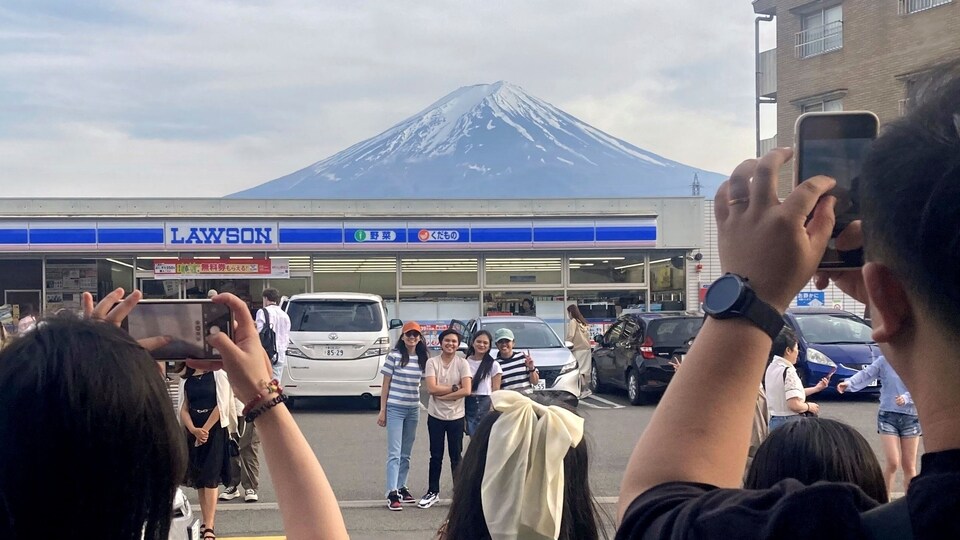
A screen is up in front of popular photo location outside Lawson convenience store in the Japanese town of Fujikawaguchiko to deter tourists from overcrowding.
Sorry, the screen is now up - no more snapping cute photos of Mount Fuji from a popular sidewalk spot in the Japanese town of Fujikawaguchiko. Known as a place that offers some of the best views of the iconic Japanese mountain, the town last month started erecting a large black screen on a stretch of a street to block the view and deter tourists from overcrowding the place.
A particularly popular photo location was outside a Lawson convenience store, from where a photograph taken at a particular angle would make it seem as if Mt. Fuji was sitting atop the store roof.
The tourists, mostly foreigners, even dubbed the spot “Mt Fuji Lawson.”
But the townspeople were unhappy - visitors would block the narrow sidewalk, take photos on the busy road or walk into neighbours' properties in pursuit of their shot, officials said. (Also Read | China: CAS Space to launch space tourism flights with panoramic windows by 2027 for this ticket price)
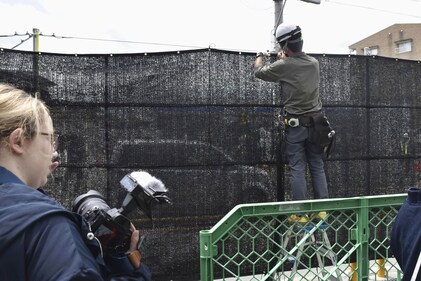
On Tuesday, construction of the 2.5 meter (8.2 feet) high black mesh net — stretching for 20 meters (66 feet) along the sidewalk — was completed.
Still, there are other places tourists can find their sweet photo spot.
The Yamanashi prefecture, also home to the Yoshida Trail — the most popular of the four routes to summit the 3,776-meter (12,300-feet-) high mountain — introduced a booking system ahead of this year's Fuji climbing season to ease overcrowding, littering and safety risks.
Under the new plan, only up to 4,000 climbers will be allowed to enter the trail per day for a hiking fee of 2,000 yen (about $18), with an option of donating an additional 1,000 yen (about $9) for conservation during the climbing season, which starts July 1 and runs until Sept. 10.
Only those with reservation for an overnight stay at huts along the trail are allowed to hike beyond the 5th of the 10 stations between 4 p.m. and 3 a.m., a measure to stop “bullet climbing,” or rushing to the summit without adequate rest, which officials say puts lives at risk.
Designated a UNESCO World Cultural Heritage site in 2013, Mt. Fuji used to be a place of pilgrimage.
Today, it's popular among hikers who climb the summit to watch the sunrise. But tons of trash left behind, including plastic bottles, food and even clothes, have become a major concern.
Over-tourism has also become a growing issue at other popular tourist destinations such as Kyoto and Kamakura.
Last year, Japan had more than 25 million visitors, and the figures in 2024 are expected to surpass nearly 32 million, a record from 2019, according to the Japan National Tourism Organization.


