
 E-Paper



Unnao HIV cases: Patients say they think they will recover soon
At least 38 people in Bangarmau town in Unnao tested positive for the human immunodeficiency virus (HIV) in January after a quack allegedly used a single syringe to treat all his patients leading to the spread of the virus.

 Prefer HTon Google


Ajay Gautam, 35, (name changed), who tested positive for HIV that causes AIDS at a screening camp on January 25, says: “I hope to get back to work once I recover.”
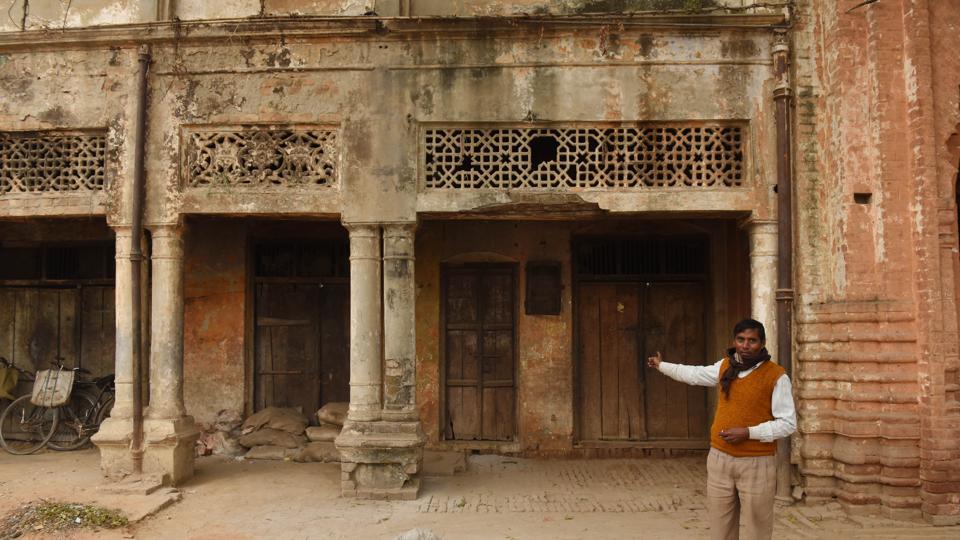
His wife Kalawati, 30 (name changed) also tested positive for HIV at the same camp, he says.
“I am a labourer and I earn Rs 250 daily,” says the resident of Premgunj in Bangarmau, where most number of HIV positive patients were detected.
At least 38 people in Bangarmau town in Unnao tested positive for the human immunodeficiency virus (HIV) in January after a quack allegedly used a single syringe to treat all his patients leading to the spread of the virus, Unnao chief medical officer SP Chowdhary has said.
Twenty-five others were found to be infected with HIV last year in this largely rural area.
A farmer Pragyan, 60, and his Neema Devi, 55, (both names changed) were among those who tested positive for HIV.
Neema hopes she will recover soon. Pragyan blames doctors of the local community health centre for his and his wife’s condition.
“Had the doctors of the CHC given medicines to us free of cost, as provided by the state government, no one would have gone to the quack,” says Pragyan.
Dheeru, 32, says he used to wash cars for a living and his wife Reema 30, (both names changed) did embroidery and stitching work before they were infected with HIV. Neither is able to work now, he says, adding, they have no money to visit Kanpur for the anti-retroviral therapy.
He says he had to borrow money from his neighbour to visit the ART centre earlier.
He adds, “I have not been to my workplace for the last few days. I am given some food by our neighbours daily. My wife is still doing some stitching and embroidery work to keep us going. I hope to recover and get back to work soon.”
Devendra, 14, (name changed), a class 9 student and resident of Premgunj, has not been going to school for the last 15 days as he too has tested positive for HIV.
He feels sleepy and complains of nausea because of the drugs given by the ART clinic at Rawatpur in Kanpur.
Devendra says, “I don’t know whether my friends will welcome me back or not. I have read a bit about HIV. I am not telling my parents (who too have tested positive for HIV) about the havoc caused by this disease the world over. I know my immune system is compromised. But I can’t say this to amma and papa, who are also suffering from this disease, as they will lose hope. They think they will recover soon.”


