
 E-Paper



An Eid in spirit: No lavish feasts or gatherings amid Covid precautions


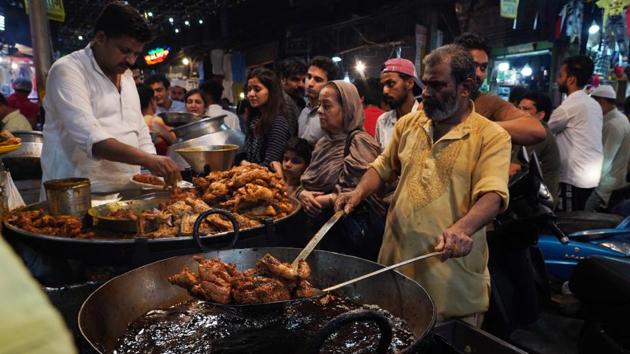
Eid-ul-adha marks some important rituals in Islam, but this year, due to the COVID19 scare, celebrations will be low-key for many. Some have chosen to donate money in place of distributing meat of the sacrificial lamb, while others will let go of family gatherings.
The festival calendar has been rendered dull this year, thanks to the Covid crisis. The days of thriving festivities have come and gone by in a state of lacklustre haze. Eid-ul-adha, which begins on July 31 this year, and culminates on August 1 in India as per moon sighting, is a day that will also go by without the usual daawats and family feasts. Eid-ul-adha marks some important rituals in Islam, but this year, due to the Covid19 scare, celebrations will be low-key for many. Some have chosen to donate money in place of distributing meat of the sacrificial lamb, while others will let go of family gatherings.
Author Sadia Dehlvi, known for her lavish lunches and soirees, says, “We used to have nice lunches, but this year, it will be very quiet. My brother and his wife will come over and we will have dinner, but that’s about it.”
Any festival is an excuse for extended family and friends to get together. People you might not otherwise see all year round visit and partake in the celebrations. Author Rakhshanda Jalil, who would make elaborate meals consisting of sewaiyan, biryani, kebabs and kaleji, will be letting go of this tradition. “We would usually have an open house, but this year, there will be no gathering. The whole point of a feast is that you cook for family and friends, and all of you celebrate together,” she says.
Another aspect of Eid-ul-adha is charity. In case a practising Muslim is unable to distribute meat to the needy, then they donate money. Author Rana Safvi has also been doing that. “This year, we will be celebrating it in spirit. Even my daughter, who lives in Delhi, won’t be able to visit as I live in Greater NOIDA and there are restrictions on movement,” she says.
Read: Eid al-Adah 2020: Traditional and unconventional recipes for Bakrid
Visiting relatives and exchanging gifts is an intrinsic part of festivals, but with the current impositions, this ritual has also been compromised for some. “Our family has this rule: No meeting, no Eidi. So that’s a bit sad,” says chef Sadaf Hussain, adding, “We would go to our mama’s (maternal uncle) house in Ghaziabad and the day would begin with eating kaleji. For the first time in nine years we would not be visiting his house.” There were some problems with getting a goat this year, he says. “We have now asked our neighbour to buy some kaleji so that a part of our tradition remains intact. At home, we will be making biryani and kebabs. Iss baar ek khaalipan toh hai, but we are getting used to this way of life now,” he says.
Here are some easy to make, traditional recipes you can make at home.
Bihari Kebab Masala by chef Sadaf Hussain
Dry roast 2 tbsp chanal dal, 1 tbsp each of cumin seeds, poppy seeds and black pepper, ½ tbsp kabab cheni powder, 2 black cardamoms, ½ inch cinnamon stick and 8-10 cloves. Once the spices release their aroma, transfer to a mortar-pestle or a grinder and grind it to a fine powder. In another bowl, mix 2 tbsp raw papaya paste, 1 ½ tbsp salt, 1 ½ tsp red chilli powder and 1 tsp degi mirch. Mix these two masalas and your marinade is ready. This masala can be used to make any kind meat dishes.
Read: Eid al-Adah 2020: History and significance of Bakrid, and date of celebration in India
Chana Dal Halwa by author Rakhshanda Jalil
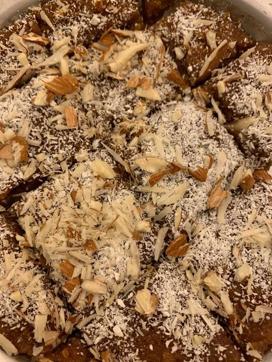
Soak some chana dal and boil in milk ( just enough milk that will get absorbed and make the dal soft). Grind to a smooth paste when cool. In a pan, heat some ghee or oil . Add a couple of green cardamoms and roast dal paste. Keep stirring for 10-15 minutes. In another pan, make syrup of sugar, water and a little ghee. Cook till syrup thickens to dropping consistency. Add the sugar-ghee mixture to the dal mixture. Stir and cook for another 10-15 minutes. Add water a little at a time. Transfer in a greased plate and cut in diamond shapes. Sprinkle desiccated coconut and finely chopped almonds. Cool and serve.
Kathhal ke Kebab by author Rana Safvi
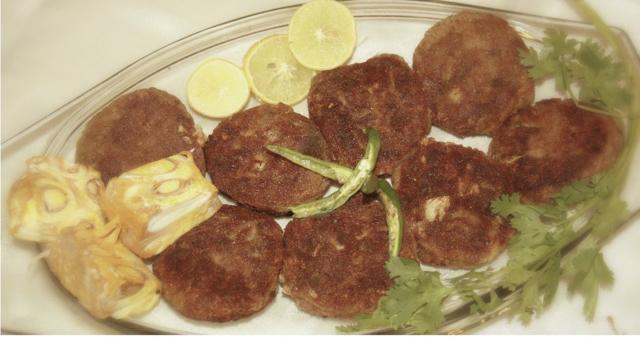
Peel ½ kg kathhal cubes and boil with ½ kg chana dal, one diced potato, one chopped onion, ½ piece ginger, 2 bay leaves, ½ tsp garam masala and add salt to taste. Use minimal amount of water; in case of excess water, open the cooker till it dries. Make a paste in stone sil-batta or blender. Add finely chopped onion, green coriander and chilli. Shape into cutlets and shallow fry till evenly done.
Interact with Etti Bali @TheBalinian


