
 E-Paper



How sustainability has become the buzz word during Covid-19

 Prefer HTon Google


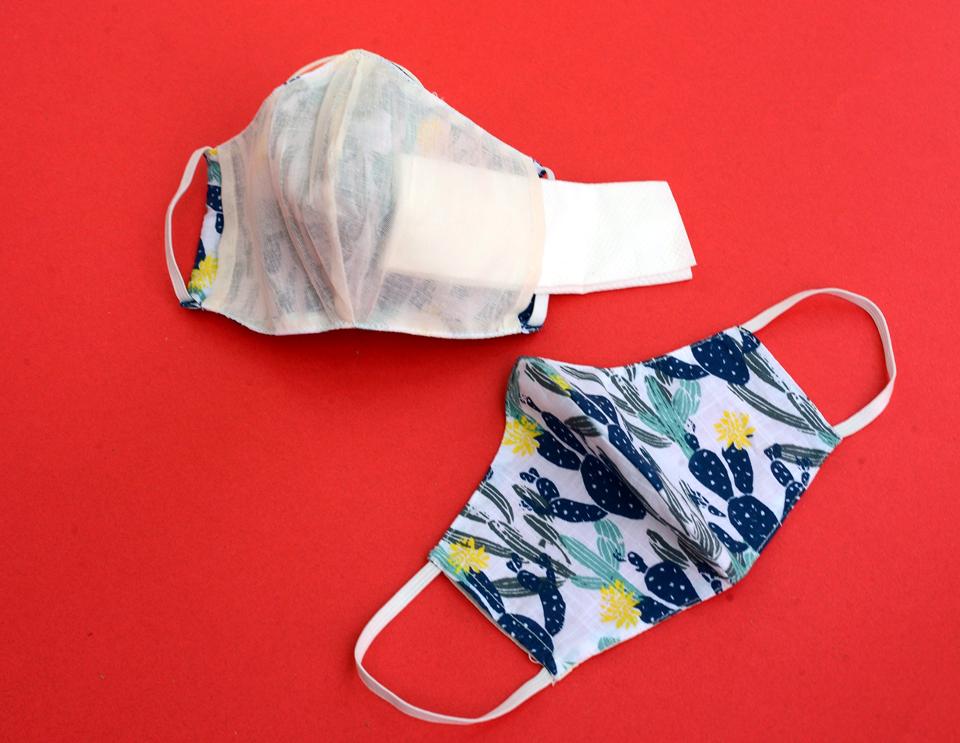
With biodegradable masks, upcycling of old household products and organic farming, many individuals and organisations tried to bring sustainability into daily lives, amid the pandemic.
Covid-19 brought to fore the need to take care of our environment, both in short and long terms. With masks filling our landfills, to the waste that our weddings generate, the spotlight was put on the ecological problems that we have created over the years. In the pandemic, many individuals and organisations tried to bring sustainability into their daily lives, and help others do the same.
Eco-friendly masks
As masks flew off the shelves when coronavirus tightened its grip the world over, many individuals and organisations initiated efforts to stitch reusable and eco-friendly masks, to replace the disposable ones. Insha-e-Noor, an organisation in Delhi’s Nizamuddin Basti, had its members stitch thousands of reusable, breathable masks, which were kept in the community area for everyone to take as per their needs.
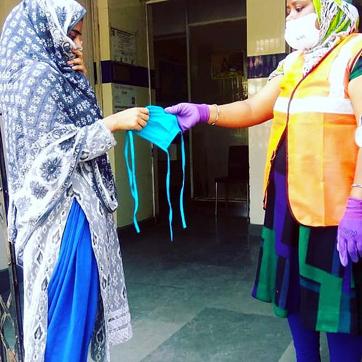
Many such initiatives rolled out, and aimed at helping artisans to make a living during the pandemic. Masks of India, an initiative of Nishi Srivastava, the founder of The Craftsutra, which is a platform that aims to promote Indian art and craft, sold masks that are biodegradable and reusable. The masks are made by artisans across India, such as West Bengal’s Kantha embroidery, or masks made of Eri silk by artisans from Assam.
A fashionable and sustainable foot forward
India’s Covid-19 concerns also pushed the fashion industry to accelerate their drive towards sustainability. During the pandemic, popular fashion shows went digital this year, including Lakme Fashion week, which highlighted India’s rich textile tradition with more focus on sustainability.
To provide financial assistance to small businesses and young designers in need, during the pandemic, the Fashion Design Council of India (FDCI) launched a Covid-19 Support Fund. In the initial lot of applications, every FDCI member who applied was assisted. And in the second round, the funds were distributed to 50% of the eligible designers, who are not the members of FDCI.

The pandemic also made us aware of the perils of fast fashion, and many individuals are now keen on giving online thrift shops a try. Pre-loved items have also found more takers, with the trend of ‘Thrift Flipping’ flying high on mobile apps and other social media platforms. In early January, Vogue Italia had announced that it was running original illustrations of high fashion looks instead of staging photoshoots, which are expensive and have a grave impact on the environment.
Cycling communities sent a message to re-cycle cities
Amid the pandemic, especially during the months of lockdown, many cycling enthusiasts were able to reclaim the streets with ease. This shone light on the need to recycle, and cut down on vehicular pollution. India’s Bicycle Mayors, associated with an Amsterdam-based social enterprise called BYCS, have been promoting #ResetWithCycling campaign, to urge everyone to turn to cycles, even in the longer run.
“Cycling is one vehicle that already has social distancing inbuilt in its usage. There is no reason India cannot capitalise on this aspect,’’ says Sarika Panda, Gurugram Bicycle Mayor. Many cities across the world started their drive towards making their cities bicycle friendly, with Gurugram opening up its first dedicated cycling track in the city.
Organic food gets Covid-19 acceleration!
Amid the pandemic, the need to have natural and healthy food promoted a higher consumption of organic food products. Organic foods are grown in ways that are environment friendly, without using harmful fertilisers and added preservatives. Due to increased demand, the companies also upped their ante and launched a lot of natural immunity boosting items such as amla bars, chia turmeric cookies.

Seizing the opportunity, many new entrants have made inroads in the market. The pandemic also saw people trying their hands at organic farming at home, wherein they grew veggies in their balcony and on the terrace.
Waste not: Seed-based products and upcycled goods shine
Being environmentally conscious is the need of the hour, and the pandemic has only strengthened this belief. To end this, many individuals and organisations tried to work towards reducing waste by using sustainable alternatives. Seed-based products shone as perfect examples of being safe for any occasion, right from seed-paper flags on Independence day to Christmas decorations.
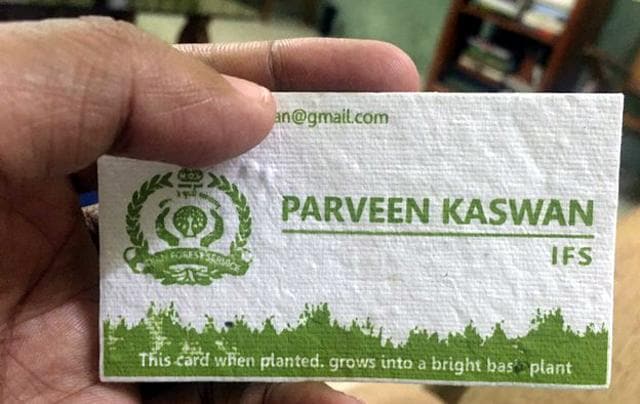
Indian Railway Traffic Service (IRTS) officer Shashikanth Korravath, in Telangana, came up with plantable invitation cards for his wedding, a move that earned him praise in his department and on social media, too. IFS officer Parveen Kaswan also inspired people when he tweeted a photo of his personal visiting card, which could be planted to grow into basil.
With a lot of time on their hands amid #WFH, many also took to upcycling old containers, bookcases, bottles and more artefacts, to spread the message of keeping our environment waste free!
Author tweets @bhagat_mallika


