
 E-Paper



Janmashtami 2020: Making panjiri at home? Read on to get some pro tips
Janmashtami, that is, the birth of Krishna, means all things makhan mishri and panjiri. From dry panjiri to panjiri ladoos, there’s a lot in terms of what you can prepare to appease the God.


Celebrating Janmashtami, and the birth of Lord Krishna... how can you miss out on the quintessential prasad of panjiri. This traditional sweet dish is a must to be made on the auspicious occasion. And in the unlock phase as most are homebound, we ask celebrity chefs and home chefs to share some simple tips and quick recipes to prepare this food for the God.
Ghaziabad-based home chef Ekta Jain, from Simply Ladoos, says, “The sweets associated with Janmashtami include makhan mishri, dry panjiri, panjiri ladoos, gond ladoos, rice kheer, nariyal barfi and mewa ladoos. Panjiri is significant for Janmashtami celebrations because it’s associated with birthing, and is given to new moms. It has loads of dry fruits, wheat, and semolina roasted in desi ghee. It’s believed to be highly nutritious.”
ALSO READ: Krishna Janmashtami 2020: Recipes to try at home this festive season
“Panjiri is a great sweet when travelling, an instant energy booster, and gives immense strength to the body,” says Gurugram-based chef Ila Prakash Singh, adding, “With the goodness of cow ghee and pure ingredients it’s a tried and tested home made delicacy. It’s one of the sweets that one can have during fasting. There are various kinds of panjiri.I make the one with nariyal gond and dry fruits.”
On Janmashtami, the most popular version that’s often prepared in temples and even in some households is dhaniya panjiri. “Panjiri is a traditional north Indian dessert that is made with whole wheat flour, sooji, powdered sugar or boora, ghee and various dry fruits and nuts,” says Gurugram-based home chef Shahla Ahmed, adding, “Generally we add khand or khandsari (which is desi raw sugar) to it. You can also add jaggery powder or white sugar powder or organic unrefined cane sugar. If you do not get desi khand, you can grind the regular sugar and then add it. We usually make this whole wheat panjiri for the kids in the family. There is a variation in this recipe too, where you could use 2:1 proportion of whole wheat flour and sooji (rava) respectively.”
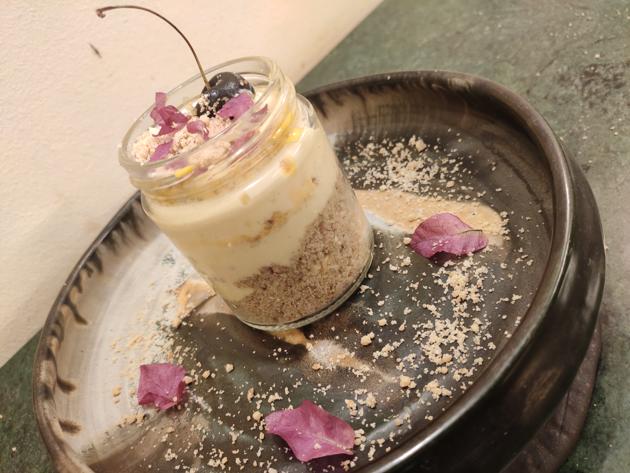
Wondering how to make it at home and get results as if it’s prepared by a master chef? Chef Sabyasachi Gorai shares a recipe for those keen to try their hands: “Take two tablespoons of ghee, one cup whole wheat flour, one tablespoon semolina, half cup bura or shakkar, two tablespoon almond powder, half a teaspoon cardamom powder. Heat ghee in a heavy bottom pan, add atta, suji and crushed green elaichi (cardamom). Cook these on a slow heat till they turn golden brown in colour. Remove from the heat, and add sugar and almond powder. You can even use coconut powder in place of almond; I used it because I like the nutty taste of almonds more. Cool it down and later fill a small glass jar with a layer of this panjiri, alternating with recipes of saffron rabri, and garnish with fresh fruits and flower petals. I prefer using fresh seasonal cherries around this time. Offer to the God and enjoy the prasad!”
Author tweets @Nainaarora8


