
 E-Paper



Citizen activism can’t replace Mumbai civic body’s responsibility
Citizens, however well-intentioned and resourceful, must not plug the gaps in a way that allows the BMC to get away easily


The last few days provided an interesting spectacle on citizens vis-à-vis the Brihanmumbai Municipal Corporation (BMC). As a group of Mumbaiites went about filling potholes, the BMC, via its Twitter handle, chided citizens for doing so, discouraged them, and termed the activity “illegal”. Then, it turned around the next day to acknowledge their “good intent” and urged them to “work as partners” with civic engineers so that “correct engineering methods” could be followed for pothole remediation. This raises questions about citizens’ activism on key civic issues as well as the BMC’s responsibilities.
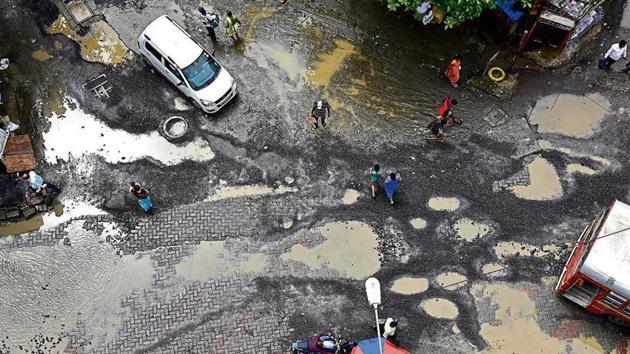
Potholes, Mumbai’s monsoon menace, have already claimed 11 lives this year. There have been more than 100 complaints of potholes from each of the city’s 27 civic wards and this is not counting the ones on highways. Fed up of the recurring problem and the civic body’s lackadaisical attitude, citizens took matters into their own hands. Some like Dadarao Bhilore, who lost his son to a pothole, began to fill up the ones he came across. Irfan Machhiwala and Mushtaq Ansari, under the aegis of Pothole Warriors, used debris and sand to fill potholes they found. Between them and others, Mumbaiites spent time, energy and money to attend to hundreds of potholes this monsoon before the BMC discouraged them.
Without doubt, citizens have a significant role to play in planning and maintaining their city and citizens groups must partner with the BMC at multiple levels if Mumbai has to move with acceptable efficiency. But the pothole saga begs the question: How far should citizens go? Should their involvement or activism – however well-meaning – replace the BMC’s role? And isn’t the civic body outsourcing its job or certainly a share of its responsibilities?
Every Mumbaiite who has complained to the BMC of even one pothole has already done his/her bit; everyone who attempted to fill a pothole – with sand and debris, or paver blocks, or whatever was at hand – took on the BMC’s responsibility only because the BMC would not. But citizens, however well-intentioned and resourceful, must not plug the gaps in a way that allows the BMC to get away easily. Citizens cannot and must not replace the BMC, especially on key services like road maintenance; we can watch over the civic body or its contractors, but not more.
In the case of potholes, using wrong materials to fill them could make them as dangerous as unfilled potholes. The sand, debris, paver blocks have come off, in many cases, with the next shower or heavy traffic. The BMC’s solution of cold mix is not available to citizens. Whose responsibility will it be should such a pothole cause an accident, especially a fatal one? This activism would then allow the BMC to shrug off responsibility altogether, as it did with uncovered manholes, saying the covers were taken off by local residents.
Mumbai saw a staggering 150% increase in the number of potholes reported between 2009 and 2014 compared to the five preceding years, as this paper reported.
Some of this may be due to easier reporting mechanisms like online portals and social media, but it also reflects the enormity of the problem. Nearly 75% of the ₹200 crore budgeted since 2014 to take care of potholes has been spent – without much difference on the ground. While the initiative of pothole warriors is admirable, meaningful activism would lie in tracking down contractors and BMC officials responsible for the pathetic roads and potholes – and prevailing upon them to do their jobs.
Public-civic partnerships are not new to Mumbai but they now seem to expand into key service areas. Will citizens’ participation or activism hereafter be called upon to help clear garbage, clean stormwater and sewer drains, operate or repair water supply network, demolish illegal structures? The “work as partners” bit is open-ended too. What are citizens expected to do as BMC’s partners? Do they undergo training and use approved material to fill potholes or merely report and supervise BMC staff or something else?
Municipal commissioner Praveen Pardeshi told the press: “We don’t want to curb citizens’ enthusiasm. Citizens who are doing the job of filling potholes are also part of the city. The city isn’t just mine or yours.” Indeed, Mumbai belongs to us all, but the primary responsibility of keeping the city functioning and providing civic services is that of the BMC. Let’s not forget this basic covenant.


Stay updated with all the Breaking News and Latest News from Mumbai. Click here for comprehensive coverage of top Cities including Bengaluru, Delhi, Hyderabad, and more across India along with Stay informed on the latest happenings in World News.


