
 E-Paper



Factory settings: What are you missing out on in the information age?
What about the data we never get to see? The people rendered invisible by the new-age factory? An art show asks some uncomfortable questions.


First things first, the word Fabrik in the title Fabrik: On the Circulation of Data, Goods and People doesn’t mean cloth. It means ‘factory’, in German.
Four large, conceptually layered works, spread across two venues, broadly talk of the hidden and unhidden, the discussed and not discussed, and shared and not shared data, news and communication in today’s wired age.
Fabrik was part of the Germany pavilion at the Venice Art Biennale in 2015. The show attempts to illustrate how this glut of data influences our real, non-virtual lives, without us realising it. How it to some degree makes us factory-made people, consuming the same kind of information without questioning it.
“Today, data is travelling without nearly any border,” says curator Florian Ebner, via e-mail. “A big number of Western companies fabricate their products in southern Europe and Asia. Their goods travel on big ships to the north, the money flows in the same direction. But, you never see the workers producing these things on crusades around the world. You meet many of them hidden on small boats trying to cross the Mediterranean Sea.”
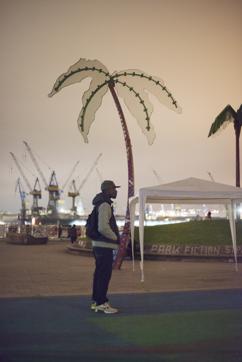
Artist Tobias Zielony’s installation, The Citizen, is about the stories of these migrants and manufacturers. “The new digital world and the Internet promised us more participation, but this is an illusion,” says Ebner.
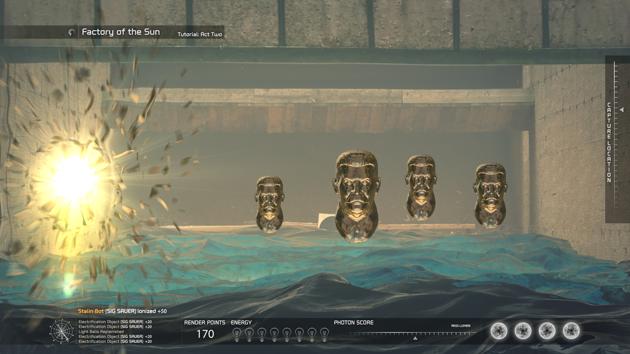
Hito Steyler’s much-talked-about work, Factory of the Sun, is a long video that is part movie and part video game. It taunts us about the culture of reaching out, making the world one’s home through the internet, but ignoring many people and their stories, almost making them invisible.
With Out on the Street and Draw it Like, Cairo-based German artists and filmmakers Jasmina Metwaly and Philip Rizk use film, sound and sculpture, to take a stance take against neoliberal processes in Egypt.
This exhibition also marks the rare occasion of a Venice Biennale pavilion exhibition going on tour. It has already been show in Beirut and Lebanon and after Mumbai will head to Krasnoyark in Russia.
Stay updated with all the Breaking News and Latest News from Mumbai. Click here for comprehensive coverage of top Cities including Bengaluru, Delhi, Hyderabad, and more across India along with Stay informed on the latest happenings in World News.


