
 E-Paper



Greener future: Maharashtra government to plant 50 lakh mangrove saplings along coastline by 2019
Officials from the mangrove cell told HT that 50,000 saplings had been planted in Airoli, Vashi and a few other parts of Navi Mumbai before the monsoon


The state’s 1,000-hectare coastline will have fresh mangrove plantations by 2019.
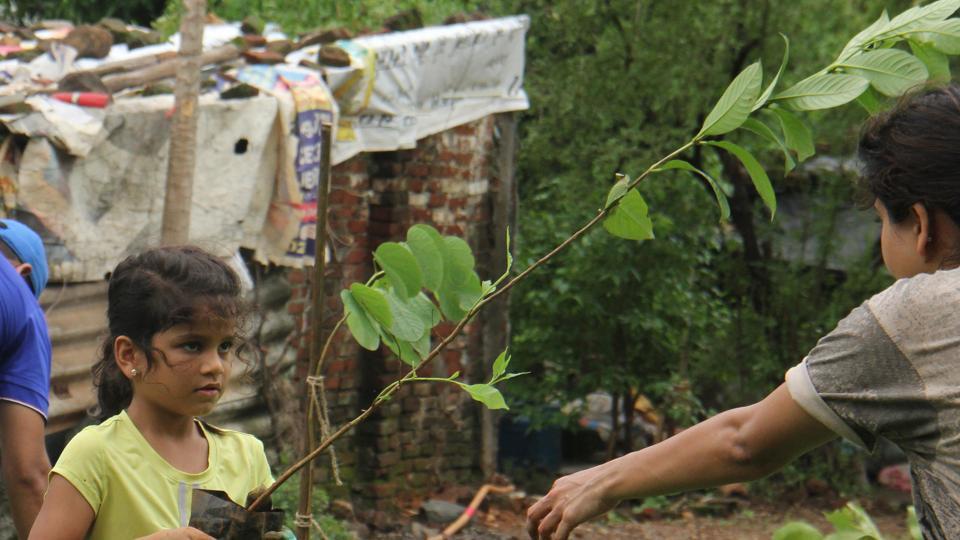
While the forest department’s ambitious plan to plant 4 crore saplings in the state is underway, the state mangrove cell has decided to plant 50 lakh mangroves along the coastline by 2019.
Officials from the mangrove cell told HT that 50,000 saplings had been planted in Airoli, Vashi and a few other parts of Navi Mumbai before the monsoon.
“We want to plant one lakh saplings in October and November this year and another 19 lakh in 2018. In 2019, we will be planting a total of 30 lakh saplings to restore a large portion of mangroves lost over the past decade,” said N Vasudevan, additional principal chief conservator of forest, state mangrove cell.
He said the cost of plantation on one hectare is around Rs2 lakh. The cost of the entire project will come to Rs 20 crore.
“A majority of the saplings will be of Avicennia Marina, a fruiting mangrove plant with dark green leaves. We will also include other species such as Avicennia officinalis and Rhizophora mucronata,” said Vasudevan.
Mangroves are salt-tolerant plants that protect the state’s coastline from inundation. Mangrove destruction is rampant across the state, despite Bombay high court orders and laws such as the Environment Protection Act, 1986 and Indian Forest Act, 1927.
The state currently has a 15,088-ha mangrove cover – 5,471 ha of mangrove forests in Mumbai, Navi Mumbai and Thane and the remaining in Raigad, Thane, Palghar, Ratnagiri and Sindhudurg.
Environmentalists said the cell should focus on restoring degraded mangrove ecosystems.
“There is no need to increase the mangrove cover through fresh plantations as they regenerate on their own. The forest department should show the degraded areas they are restoring instead of planting on mudflats and destroying the breeding or congregating grounds of migratory birds,” said Stalin D, director, NGO Vanashakti.


