
 E-Paper



Hits for Maharashtra chief minister Fadnavis, misses for Opposition
While the BJP made a mark in the local body polls across the state, the Opposition didn’t attack them over failures


Ketaki.ghoge@htlive.com
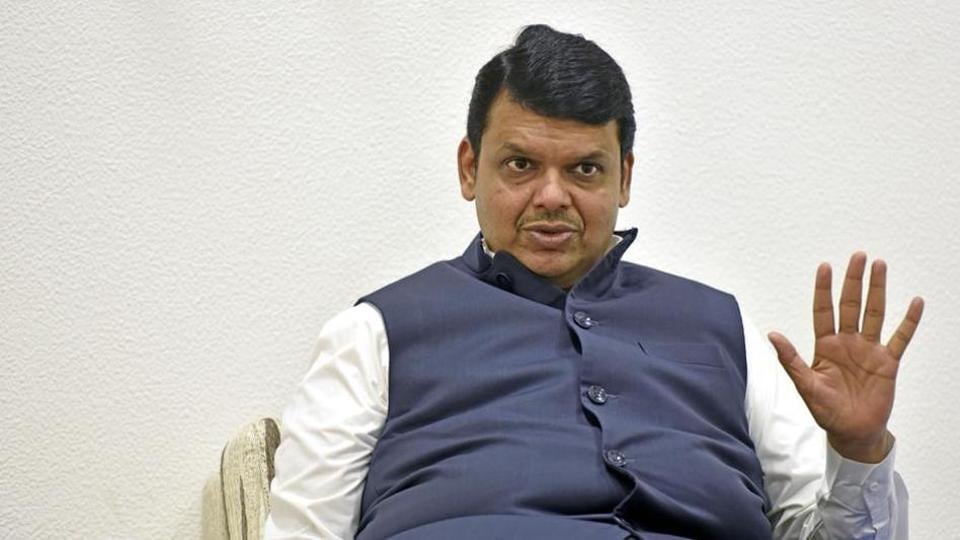
Not many even in the Bharatiya Janata Party (BJP) ranks would have put their money on chief minister Devendra Fadnavis in the beginning of 2017.
The state was to witness a slew of local self-government elections dubbed as the mini-Assembly polls, including Mumbai and 9 other civic corporations, 26 district councils and over 199 municipal councils.
These elections were being held just after demonetisation, a decision that deeply impacted the rural economy.
Besides the polls, the Maratha community’s unrest over reservation continued to threaten the BJP government and more pointedly, its Brahmin chief minister. By the middle of the year, it also became apparent that despite good rains, the farm distress was far from over. Through this, the BJP ally, Shiv Sena, left no opportunity to threaten or mock its partner.
Despite these challenges, by the end of the year, it was the CM, who seemed to have cemented his position in the state polity. And, the BJP was the clear winner vis-a-vis the other three main political parties.
The party’s first moral boost came from the results of the local self-government polls, which it swept. The BJP did well, not just in big cities, but also small towns and district headquarters, leaving little doubt that it had consolidated its 2014 win. More importantly, Fadnavis had taken on the tiger on the home turf, called Sena a party of extortionists, and put up a score to match in Mumbai. (The BJP won 82 seats, just two fewer than Sena in the Mumbai civic body).
The Maratha protests also lost steam by the middle of the year, as the government went all out to meet the agitators half way. The verdict in the Kopardi rape and murder case that triggered the agitation, saw the accused being sent to the gallows in November. This gave Fadnavis another bragging point.
The ongoing farmers’ protests, however, had put the government on the back foot. The BJP gave in and announced a loan waiver of Rs33,000 crore to stem farmers’ protests.
While some political observers termed this a win of Fadnavis’ political strategies, others called it the failure of the Opposition to capitalise on several opportunities.
“One has to give credit to Fadnavis’ back-room manoeuvres, especially in tackling Maratha protests and farmers’ strike. These were serious political threats and he weathered the storms well by opening up multiple channels for negotiations and proactively accepting demands,” said Surendra Jondhale, political analyst.
The credit for at least some of it also goes to a lacklustre opposition.
“It’s been the Opposition’s (including the Shiv Sena’s) failure to capitalise on many issues, including farm distress. The ruling government has repeatedly covered up its lack of governance with just marketing. This includes the mess in implementing loan waiver to the University results chaos,” said Prakash Bal, a political analyst.
Bal said even the BJP’s success in the local self-government polls was at least partially linked to the BJP changing parameters such as allowing directly elected presidents and sarpanch to municipal councils and gram panchayats, going against the principle of decentralisation as ensured in the 74th and 75th amendment.
He said the Opposition should have challenged these moves, but it had not yet got its act together.
While the Fadnavis-led government may have successfully overridden its challenges, the year did not end on a high note for it.
For starters, the party has now completely lost its moral high ground over corruption with state housing minister Prakash Mehta facing allegations of graft and wrong doing in a realty deal. Fadnavis was forced to set up a probe against Mehta as well as Sena industries minister Subhash Desai over graft allegations. This was the second such serious allegation after former revenue minister Eknath Khadse had to step down in 2016 over conflict of interest allegations in a land deal.
Further, the Gujarat Assembly polls verdict in December pointed out there were chinks in the BJP’s victory armour.
The BJP government in Maharashtra faces similar rural and agrarian discontent that was visible in Saurashtra region of Gujarat, which largely brought down the BJP’s seat tally.
After the Gujarat polls, there are indications that former allies – the Congress and Nationalist Congress Party -- will join hands again in the 2019 polls and will start political consolidation by next year. The Sena is also likely to join in this alliance, although tacitly, to isolate the BJP.
“Some of the hubris that the BJP had in Gujarat is also there in Maharashtra. That is reflected in decisions such as taking a tainted bureaucrat like Radheshyam Mopalwar back at the helm of Mumbai-Nagpur corridor project that farmers have opposed. Their fall is imminent,” said a senior Shiv Sena leader.
Both Marathas as well as farmers’ agitation are issues that have not been resolved by the government and threaten to loom large ahead of the 2019 polls.
Stay updated with all the Breaking News and Latest News from Mumbai. Click here for comprehensive coverage of top Cities including Bengaluru, Delhi, Hyderabad, and more across India along with Stay informed on the latest happenings in World News.


