
 E-Paper



HTKGAF 2018: Mumbai experts discuss literature’s relation to cinema
The Mumbai panellists suggested that popular fiction was easier to convert than classical works


Are literature and cinema natural siblings? The question sparked a lively debate on Thursday, during a literature session held as part of the Hindustan Times Kala Ghoda Arts Festival.
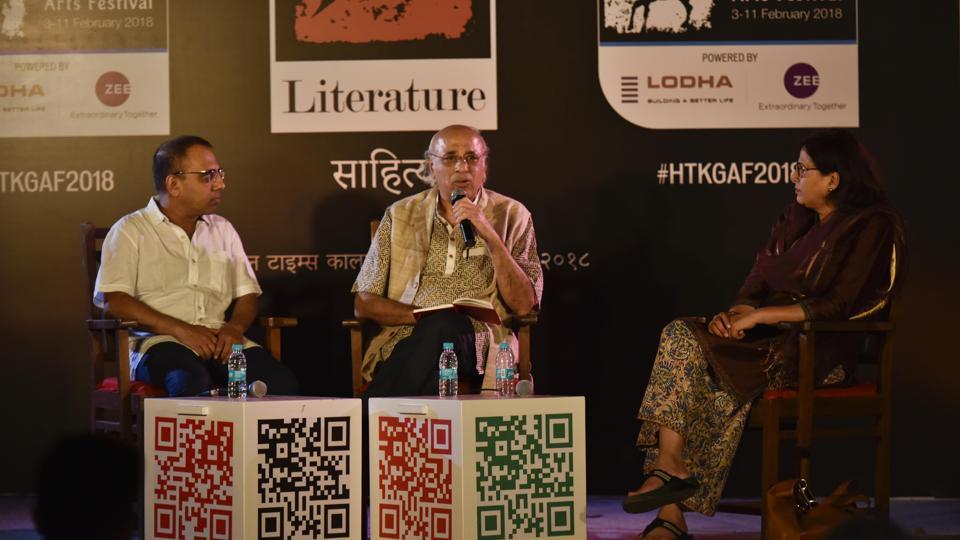
“I have strong reservations. I don’t see them as siblings, as they are not born of the same mother. They are like apples and oranges, born on different trees,” said Rakhshanda Jalil, a writer and one of the panellists.
Film historian Suresh Chabria offered a less polarising view. “They may not be natural siblings, but there’s definitely affinity between them. Both of them are about how are stories told,” he said.
Along with writer Arunava Sinha, they took the stage to offer their take on the relationships between literary works and Indian cinema. They debated the challenges, pitfalls and propriety of translating the written word to celluloid.
For a Bengali like him, the idea of literature and cinema being joined at the hip finds resonance because much of Bengali literature has been used in Bengali and Hindi cinema, Sinha said. He cited the Gulzar film Ijazat and the various cinematic versions of Devdas as examples.
“Inspiration is one thing, adaptation is another,” he admitted, acknowledging the limitations of the transition from literature to film too.
The panellists suggested that popular fiction was easier to convert than classical works. They also contended that short stories were converted to movie scripts more often than lengthier novels.
Chabria suggested that the transition from written word to cinema was perhaps more seamless earlier as the audiences for the two forms of storytelling were essentially the same. He however added that movie-makers these days took far too many liberties while adapting text to create a film.
Arpit Sanghavi, a television actor who attended the session, said he found it to be engaging. “As I am part of the show business industry, I wanted to explore how it evolved. I also wanted to understand the thought processes of writers,” he said.

Stay updated with all the Breaking News and Latest News from Mumbai. Click here for comprehensive coverage of top Cities including Bengaluru, Delhi, Hyderabad, and more across India along with Stay informed on the latest happenings in World News.


