
 E-Paper



Kalbadevi resident complains to Mumbai Metro against high-intensity lights
The campaign against light pollution in the city got a boost in November, after the Mumbai city collector ordered Wilson Gymkhana on Marine Drive to remove its floodlights, in a first such action.


Claiming that high intensity lights put up at Metro construction sites cause light pollution, a Kalbadevi resident, Nilesh Desai, has approached the Mumbai Metro Rail Corporation Limited (MMRCL), asking them to “put shades or change the angle of the lights”.
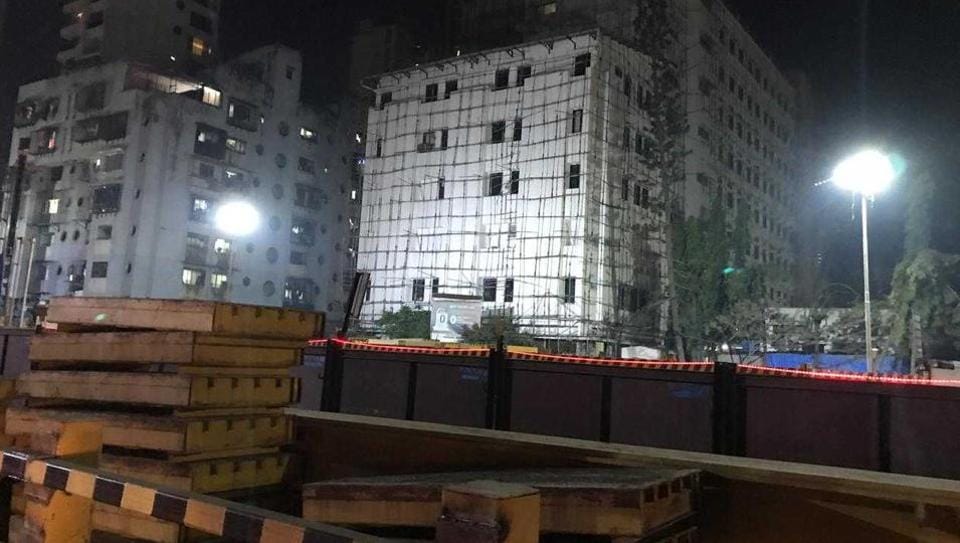
MMRCL is constructing the underground Metro-3 Colaba-Bandra-SEEPZ line, which passes through Kalbadevi. “Metro routes run close to residential buildings or complexes. The high mast lights installed for construction cause massive light pollution. Residents are forced to put blinds, which is depriving them of air ventilation. Apart from being harmful to the eyes, the continuous glare also leads to sleeplessness and completely alters the body clock. Shades or changing the angle will ensure the light falls only on the site,” said Desai.
While MMRCL refused to comment, Ashwini Bhide, managing director, MMRCL, responded to Desai’s complaint on a social networking site, stating: “Will surely get it [complaint] looked into.”
Light pollution (measured in lumens or lux) is the collective term for excessively altered, misdirected or obtrusive man-made light. Currently, there are no standards for light pollution globally. The campaign against light pollution in Mumbai got a boost in November, after the city collector ordered Wilson Gymkhana on Marine Drive to remove its floodlights, in a first such action.
Doctors said light levels at Metro sites range from 30,000-35,000 lux, which is harmful as the human eye should not be exposed directly to lux levels exceeding 50-60 lux. The average light level in an office environment is 400 lux.
“Constant exposure to high intensity lights for more than three months, especially in residential areas, will lead to eye irritation or burning, headaches or watering of the eyes,” said Dr Arjun Ahuja, head of ophthalmology department, KEM hospital, Parel, adding that KEM has witnessed an increase in patients with vision disorders directly related to light pollution or syndromes related to excessive light emitting from computers. “Exposure for six months to a year can lead to photophobia (fear of lights) and blurry vision. Regular exposure to bright lights for eight to 10 years can induce cataract.”
According to a research by the Rockefeller University in New York, light pollution disturbs circadian rhythm (biological clock) and light at night has been shown on a multitude of occasions to be linked to obesity, depression, sleeping disorders etc.
Activists said there was an immediate need for the government to come up with a comprehensive policy. “In the absence of a policy, high intensity lights are placed across the city,” said Sumaira Abdulali, convener, Awaaz Foundation.

Stay updated with all the Breaking News and Latest News from Mumbai. Click here for comprehensive coverage of top Cities including Bengaluru, Delhi, Hyderabad, and more across India along with Stay informed on the latest happenings in World News.


