
 E-Paper



Malavika’s Mumbaistan: Something’s lost and something’s gained
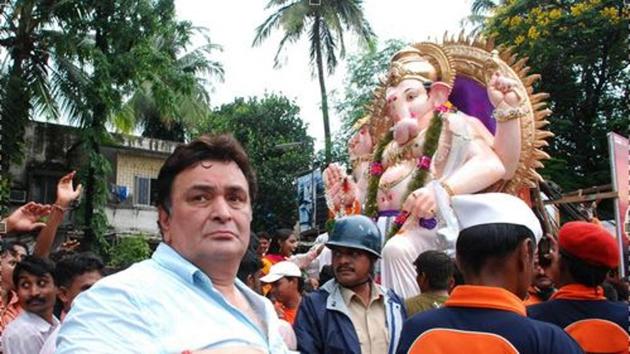
The fact that the Kapoors will not be participating in this year’s Ganesh Chaturthi celebrations for the first time in seven decades seems emblematic of the larger theme of well-established and long-cherished Mumbai traditions disappearing, one by one.


It might not really add up, but the fact that the Kapoors will not be participating in this year’s Ganesh Chaturthi celebrations for the first time in seven decades, seems emblematic of the larger theme of well-established and long-cherished Mumbai traditions disappearing, one by one.
They have all faded away, some shutting down overnight to great shock and dismay, some winding down gracefully, before we even realised that with their passing, they took away a slice of our lives and some fizzling out, without the slightest requiem or regard.
And we, who have grown up in single phone and TV households, to which the milk was delivered each morning in blue capped bottles, along with the newspapers and those ardently-awaited letters from pen pals, who can we share these oddities of the past with? Who will believe us, or even care?
The fountain pens we used to fill and refill with so much care; the compass boxes we owned with such pride, the lead pencils that had to be sharpened and the fragrant erasers we coveted; the dank, single screen cinemas where we consumed stale popcorn and spicy samosas, with so much thrill; what a sea change it’s all been and who will ever believe how much we’ve gained and lost in the process?
There are those of us who recall the city’s first airport, with its solitary retail outlet – a book shop, where you could browse uninterrupted and where the man behind the counter knew your name –and that of most of his customers; picnics our elders would take us to at the Gold Spot Factory in Vile Parle or the aeroplane park in Juhu; the thrill of school vacations spent in Matheran and Igatpuri; those wrestling bouts between Dara Singh and King Kong at the NSCI Ground and how the city would be festooned with giant cut-outs of hyper muscular men – arguably our only source of entertainment. (That is if you don’t count the neighbourhood circulating libraries from which we could rent comic books and back issues of Mad magazine to keep us occupied during school vacations; and of course, the spate of cabarets that appeared to engulf the city at one stage when all the evening papers would be chock-a-block with advertisements for Tomiko the Tomato in her ostrich feathers and little else).

Where did that city go? Open air jazz performances at the Rang Mandir, where not only the air, but the grass smelt decidedly greener; all night stops – overs at the Taj’s Shamiana where no one seemed to mind seats filled with college students with barely enough money between them for a coke. (Which, of course, in those days was legal and came in a bottle with a straw, and not something white and contraband). How naïve we were then, how gauche and unaware of it. How corny.
Fashion shows in five-star hotels which were big-ticket events attended by leading industrialists; air-conditioned Maruti 800 ‘deluxe’ cars, the first time the Indian middle class could travel in style; the introduction of business class on domestic flights which differentiated the men from the boys; and for that one, brief, unimaginably thrilling spell: alcohol on offer in the air!
Going to one’s neighbours without so much as a second thought, to watch Adi Murzban and ‘What’s The Good Word’ (in black and white on their single channel TV sets); making unbridled prank calls with one’s friends and hanging up in a pile of giggles; waiting on Sunday for the balloon man and the snake and mongoose man and all those hawkers calling out in their distinctive styles, the knife polisher and the mattress plumper and the vegetable vendor... their voices punctuating the phases of the day so seamlessly, as if in a symphony, while at night the watchman’s reassuring ‘tok tok tok’ would gently rock entire colonies to sleep…
And the colonies and buildings we lived in: so much give and take and community feeling; Christmas and Eid and Diwali being celebrated together with every one included and greetings being conveyed face to face, most likely accompanied by smiles, and not WhatsApp memes and emoticons and forwards.
How far we have come: Film premieres held with great pomp and style; weddings for which families would visit the sari shops on New Marine Lines with not a designer or stylist in sight; kali-peeli taxi drivers who’d surprise you with their wit and wisdom; Rhythm House, Samovar, the Strand Bookshop and Wayside Inn.
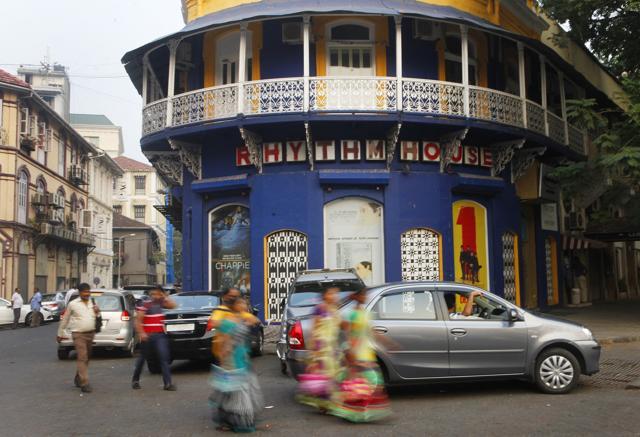
How much we’ve lost, how much has changed.
Friends you’d play carom with; neighbours you’d borrow tea and sugar from; strangers you’d befriend on your daily commute and share stories and your dabba with.
Sometimes it seems that we can only gauge how far we’ve come by just how much we’ve lost; and by all that’s been misplaced. And so, it might not really add up, but the fact that the Kapoors will not be participating in this year’s Ganesh Chaturthi celebrations for the first time in seven decades, because their studio burnt down and they had to sell their property to developers who will most likely turn it in to a spanking new piece of real estate, seems emblematic of the larger theme of well-loved Mumbai traditions, disappearing one by one; before our very eyes…
Stay updated with all the Breaking News and Latest News from Mumbai. Click here for comprehensive coverage of top Cities including Bengaluru, Delhi, Hyderabad, and more across India along with Stay informed on the latest happenings in World News.


