
 E-Paper



Pawar and the art of negotiation
As expected, the Nationalist Congress Party (NCP) managed to get key portfolios in the Maharashtra Cabinet, and will significantly influence the functioning of the state government


The long-awaited allocation of portfolios to members of Uddhav Thackeray’s council of ministers is finally done. As expected, the Nationalist Congress Party (NCP) managed to get key portfolios, and will significantly influence the functioning of the state government.
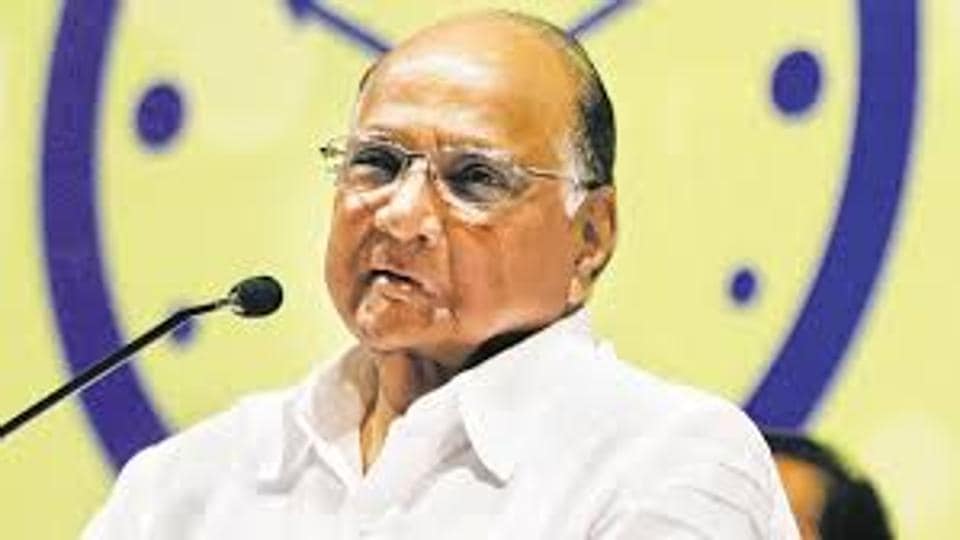
Among the key departments with political significance are home, finance, urban development, rural development, revenue, industries, irrigation, cooperation and public works department (PWD). Five of them are with NCP, while the remaining four are divided equally between Shiv Sena and Congress. The allocation sums up what is happening in the Maharashtra Vikas Aghadi (MVA) government. After the portfolio were allocated, ministers from both Sena and Congress pointed out that NCP got a better deal than them. NCP ministers acknowledge it and attribute it to the negotiating skills of their boss, party chief Sharad Pawar.
“Right from Day One, he [Pawar] was clear what departments his party should get and ensured that it got them. He did compromise on a couple of things, though. For instance, we wanted the crucial post of the Assembly Speaker, but had to concede it to the Congress. By and large, we have got the portfolios that will influence the government’s policies and decisions,” said a top party leader.
This is not the first time that Pawar has used his negotiation skills to ensure that NCP got a better deal.
In 1999, he formed the NCP after breaking away from the Congress. The two parties contested the Assembly elections separately, but came together to form the government as the elections threw a fractured mandate. Even then, the negotiations went on for several days and Congress veterans such as state Congress chief Pratarao Bhosale bargained hard for better control of key government departments. In the end, the Congress got the chief ministership, while NCP walked away with major departments such as home, finance, irrigation, rural development and PWD. It also got the Speaker’s post in the state Assembly. ‘Then Pawarsaheb had jokingly told us that he would have even got chief ministership had our leaders been a little more patient while negotiating with the Congress,”recalled a long-time aide of Pawar. The power-sharing formula between the two parties remained in effect, as both formed the government the second time in 2004 and then again in 2009. Significantly, this time, too, the NCP bargained and got mostly the same set of portfolios for its ministers.
So, does that mean the NCP chief will be in the backseat and only dictate terms to chief minister Thackeray? Going by their bonhomie, this is unlikely. They know the situation in which they formed the government, and the need of the hour is to ensure that it runs its term. As such, there is likely to be ‘advise’ instead of diktats. Technically, the CM is the most powerful person in a government and has powers to override decisions taken by any of his ministers. However, Thackeray will prefer not to take that route and try and work out things with the consent of his two partners for the MVA to last its full term.
Power centres in Mantralaya
With the government is finally in place, it is also clear who the key people that wield clout in Mantralaya are. In addition to Thackeray and deputy CM Ajit Pawar, there are more than half-a-dozen politicians who hold powerful positions. In NCP, irrigation minister Jayant Patil and excise minister Dilip Walse-Patil are part of the party’s top brass. In addition, home minister Anil Deshmukh has jumped into the A-list with his elevation to the key department. Another important figure is cooperation minister Balasaheb Patil. His department governs the cooperative sector, which continues to be the backbone of the state’s rural economy, and influences politics.
State Congress chief and revenue minister Balasaheb Thorat and PWD minister Ashok Chavan have emerged as the power centres within the state Congress. In the Shiv Sena, it is urban development minister Eknath Shinde and environment minister Aaditya Thackeray who wield considerable clout.


Stay updated with all the Breaking News and Latest News from Mumbai. Click here for comprehensive coverage of top Cities including Bengaluru, Delhi, Hyderabad, and more across India along with Stay informed on the latest happenings in World News.


