
 E-Paper



Schools, parents and children divided over benefits of reading e-books
Some parents say printed books develop motor skills, others say e-books are hassle-free


When VIBGYOR attempted to introduce e-books at their schools in Malad and Goregaon earlier this year, the plan was opposed by 140 parents who feared the risks their children would face if they carried expensive e-reading devices to school. As a result, the schools were forced to drop their plan.
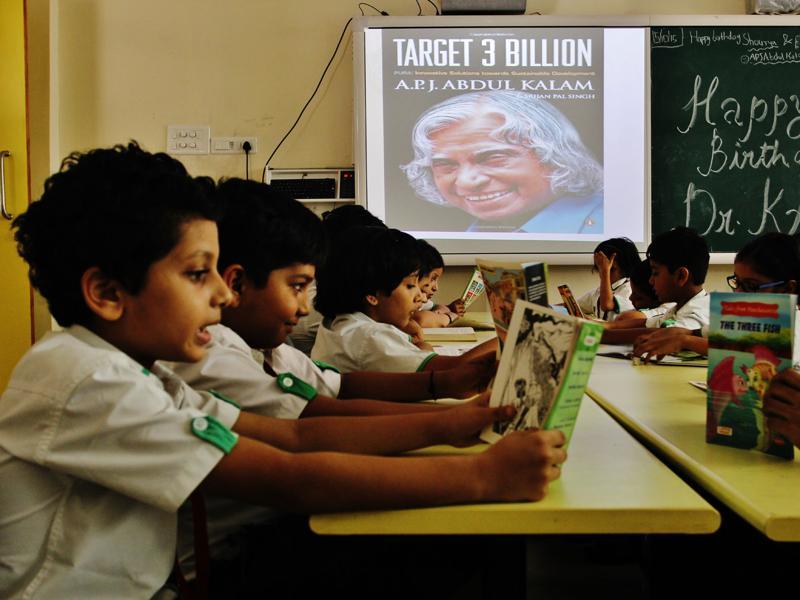
But two new surveys showed that when it comes to e-books, there are two schools of thought. A recent survey done by a city school suggests that 80% children prefer reading on electronic devices, while another report shows that students will always opt to read printed books.
The 8 to 10-year olds from six Podar schools, who were the respondents of the first survey which was released last week, said e-books have made their schoolbags lighter. “We were stunned with their positive response. They said e-books were convenient because they can be accessed round the clock and it is easy to search for specific information on them,” said Anand Chawla, director, information and communication technology of the group of schools.
The second study is at odds with this school’s survey. When Scholastic, a publishing house, asked students about their reading habits, four in 10 children who have read an e-book said they preferred to read printed books. The respondents said e-books may be convenient, but they strain the eyes.
Students and parents, however, are divided over the benefits of reading online. “In 3 to 4 years, we may no longer be using pen and paper and so, we need to get used to reading online,” said Ayushie Chakraborty, a Class 8 student from Andheri.
Priyanka Takalkar, a parent from Thane, said she prefers e-books for her six-year-old child. “E-books are hassle-free,” she said.
Some parents said that children should stick to reading printed books in the first five to six years of their education. “Reading print helps develop fine motor skills, such as eye-to-hand co-ordination, among children. So at least till Class 6, children should continue reading printed books,” said Bhakti Sawant Gupta, mother of an 8-year-old studying in Narayana E Techno School, Borivli.
There are also fears about the dangers of allowing children to handle e-reading devices. “Children could get mugged while carrying tabs to school or they could damage the devices,” said Ajit Fernandes, a parent.
Some school principals fear such devices may distract students in class. “If every child is given a tablet, he or she will not pay attention in class, as they will be absorbed in the device,” said Freny Mehta, principal, Alexandra Girls English Institution, Fort. “Other mediums such as teaching using smart boards will be helpful.”

Stay updated with all the Breaking News and Latest News from Mumbai. Click here for comprehensive coverage of top Cities including Bengaluru, Delhi, Hyderabad, and more across India along with Stay informed on the latest happenings in World News.


