
 E-Paper



Vision and will needed to make Mumbai top financial hub
The GFCI ranked Gujarat International Finance Tec-City as the best from India, but at no. 77! Delhi comes five places behind at no. 82 while Mumbai languishes at no. 92.


The Spectator Index on the world’s biggest financial hub popped up on my Twitter timeline the other day, and to my surprise, Mumbai did not feature among the top 20. In fact no Indian city did.
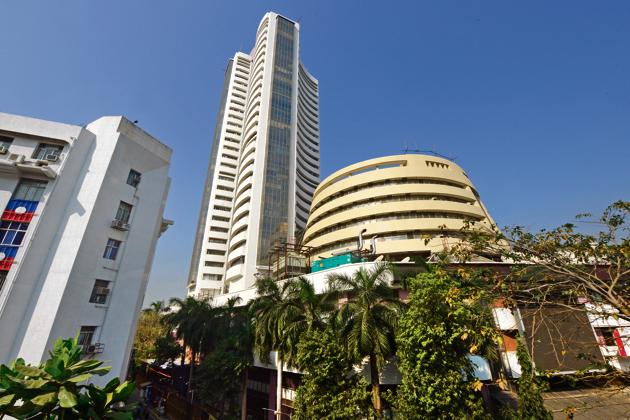
The Global Financial Centres Index (GFCI), which sources data from the World Bank and Economist Intelligence Unit among others (and also feeds the Spectator Index), ranked Gujarat International Finance Tec-City or GIFT City (Gujarat) as the best from India, but at no. 77! Delhi comes five places behind at no. 82 while Mumbai languishes at no. 92.
Interestingly, the Spectator Index projected the Indian economy to be the world’s second largest (behind China) by 2050. So how does this square off with the poor rankings for Indian cities?
But hang on, it gets even more intriguing in the Mumbai context. The Spectator Index for resident billionaires has the city at no. 8 (55 in number, making it the best from India), which again seems in strong dissonance with the global rankings of financial hubs by the same agency.
What explains? Let’s skip conspiracy theories about the western media not wanting to show India in flattering light. This may have some truth on other issues where desk-based opinion making overrides robust field reporting, but not in this matter.
The conundrum seems to me more like reading cricket statistics: though vital in understanding the game, and forms of teams and players, these may not always reflect the true story.
For instance, a batsman with a batting average of 60 is not necessarily better than a batsman who averages 54. However, the converse is also likely: that a batsman’s inflated average may make him seem better than what he actually is.
While volume of runs, centuries, average, etc, are important, the circumstances in which runs were made, quality of opposition et al provide a crucial qualitative dimension to the numerical contribution in defining a batsman’s true worth.
In all such analyses, the key is not just how data is sourced, but the parameters on which it is based. Only this can make the conclusions more valid and purposeful.
The GFCI lists these parameters as ‘business environment’, ‘financial sector development’, ‘infrastructure factors’, ‘human capital’, ‘reputation and general factors’.
This is dense jargon, more suited for academia rather than a layperson. But while researching, a 2018 report by global management consulting firm A T Kearney on what defines the world’s most influential cities – with special focus on China inevitably – came up with fascinating insights.
Here’s an extract from the study on what was done by authorities to take Chinese cities like Shanghai, Beijing and Shenzhen to the top 20 financial hubs in the world. “The initiatives have focused on business, governmental, and cultural activities, providing improvements that boost the quality of life for residents, increase the ease of doing business, and attract more investment and attention from global companies…The effect of all these initiatives is synergistic—cities prioritise becoming more liveable, enjoyable places, the government makes it easier to do business, and the education system ensures that the talent pool is ready and able to contribute.”
An example of this comes from Shenzhen where a project to make all buses in the city electric for improving the environment was initiated by the mayor, which was then supported by the federal government that offered the city a subsidy to purchase the new buses.
This is instructive. For any city to become a strong financial hub, the development has to be well thought out and holistic, not for improving business alone. That will follow as a natural consequence.
As the Kearney report notes, “Chinese cities that are primed to thrive have addressed numerous aspects that make living and working there appealing, from protecting outdoor spaces to supporting education pathways that provide for promising careers.”
Contrast this with Mumbai. A moribund municipal corporation, undue delays in completing infrastructure, poor commute (no water transport yet!), apathy towards the environment, struggling university, low push for cultural activities, shoddy health care are some glaring problems stifling growth.
Mumbai has the wherewithal to become a top-notch global financial hub with its natural beauty, fantastic history, a strong mercantile ethos, great work ethic, plentiful manpower, even the money.
Do we have the vision and the will?
Stay updated with all the Breaking News and Latest News from Mumbai. Click here for comprehensive coverage of top Cities including Bengaluru, Delhi, Hyderabad, and more across India along with Stay informed on the latest happenings in World News.


