
 E-Paper



Waste from Mumbai’s slums to be treated too
Municipal commissioner Ajoy Mehta has already directed officials to initiate the measures in a monthly meeting held last week, an official confirmed


Not only in housing societies, garbage collected from slums will also be segregated and composted at the source soon. Based on its order to not pick up waste that is not segregated from October 2, the Brihanmumbai Municipal Corporation (BMC) has decided to start segregation and composting wet waste in different slum clusters.
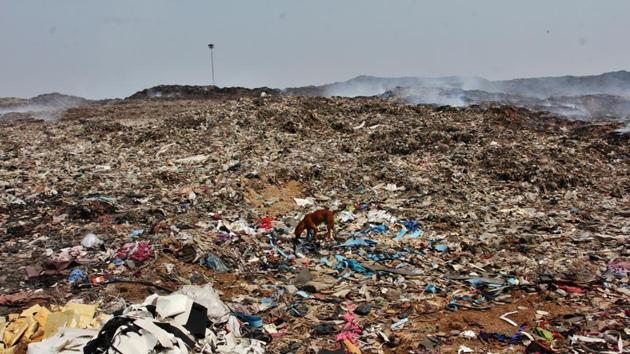
Municipal commissioner Ajoy Mehta has already directed officials to initiate the measures in a monthly meeting held last week, an official confirmed.
Close to 60% of the city’s population live in slums.
The BMC has recently issued more than 5,000 notices to housing societies that generate more than 100kg waste or are more than 20,000 square meters. The housing societies will have to develop a mechanism to compost wet waste within the society premises.
To aid citizens, BMC has been conducting various waste composting exhibitions over the past two months.
A senior civic official said that the same priniciple for housing societies or commercial establishments would be applied to slums too. “In case of slums, however, BMC will undertake localised segregation and composting. This will save the transportation cost for waste and also reduce waste burdening the already saturated dumping grounds.”
Till the beginning of 2017, Mumbai produced 8,722 metric tonnes of waste per day which the BMC is trying to reduce to 6,789 metric tonnes by September-end. This measure to be undertaken in slums, the official said, will take the waste count below 5,000 metric tonnes of waste per day.
Of the three dumping grounds in the city, waste is scientifically processed only at Kanjurmarg. The Deonar and Mulund dumping grounds have already reached their saturation point. Constant fire incidents in these two dumping grounds has become a huge health hazard for citizens living in the nearby areas. In February 2015, Deonar witnessed three major fire incidents and multiple number of pocket fire incidents.
Mumbai’s mess
Till the beginning of 2017, Mumbai produced 8,722 metric tonnes of waste a day, which the Brihanmumbai Municipal Corporation (BMC) is trying to reduce to 6,789 metric tonnes by September-end.
Mumbai has three dumping grounds
One in the central suburb — Deonar
Two in the eastern suburbs — Kanjurmarg and Mulund
As of today, waste is scientifically disposed (about 3,000 metric tonnes) only in Kanjurmarg. The dump at Deonar and Mulund has reached the level of a ground-plus-four storey building.
What’s the plan?
The Deonar and Mulund dumping grounds have already reached their saturation point. Constant fire incidents in these two dumping grounds has become a huge health hazard for citizens living in the nearby areas.
The BMC isin the process of acquiring additional land in the outskirts of Mumbai — Taloja and Airoli — to scientifically dispose waste.
BMC aims to process
3,000 metric tonnes of waste at Deonar through a waste-to-energy plant
25-30 megawatts will be generated. The plant will be functional for 25 years
However, BMC is likely to take another three years to set-up a waste-to-energy plant at the Deonar dumping ground. BMC is also in the process of appointing a contractor to scientifically close down the Mulund dumping ground.

Stay updated with all the Breaking News and Latest News from Mumbai. Click here for comprehensive coverage of top Cities including Bengaluru, Delhi, Hyderabad, and more across India along with Stay informed on the latest happenings in World News.


